22 Serene Nightstand Decor Essentials That Promote Better Sleep


Disclosure: As an Amazon Associate we earn from qualifying purchases. Some links on this page may be affiliate links — if you click through and make a purchase, we may receive a small commission at no extra cost to you.
What sits on your nightstand has a direct effect on how well you sleep and how you feel the moment you open your eyes in the morning. A cluttered, chaotic nightstand creates low-level stress you may not even notice. A calm, thoughtfully styled one signals to your brain that this space is for rest. The good news is that a serene nightstand does not require expensive pieces or a total bedroom overhaul. These 22 nightstand decor essentials cover everything from lighting to scent to small daily rituals — all designed to help you wind down, sleep better, and wake up feeling good.
1. A Warm-Toned Bedside Lamp
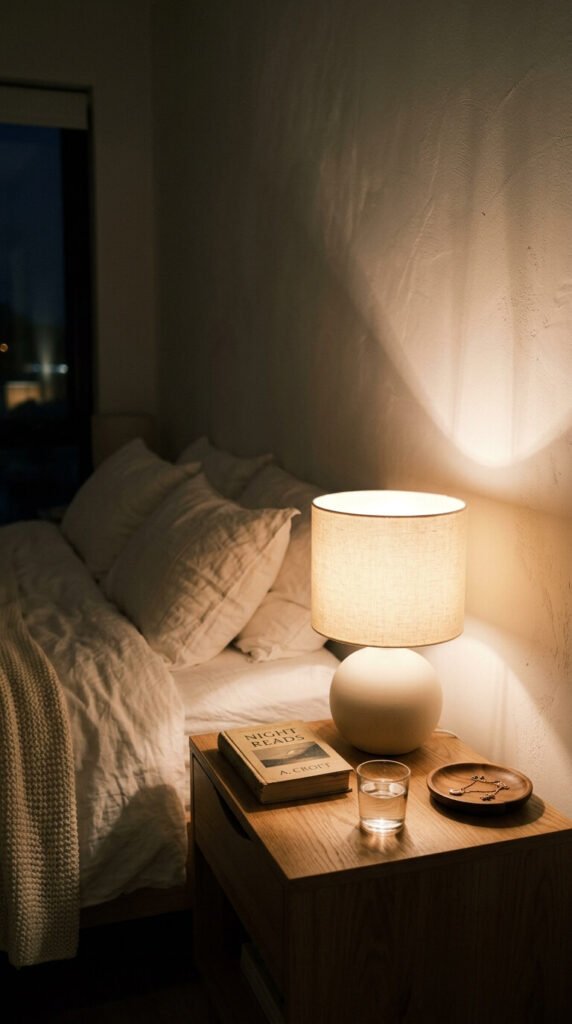
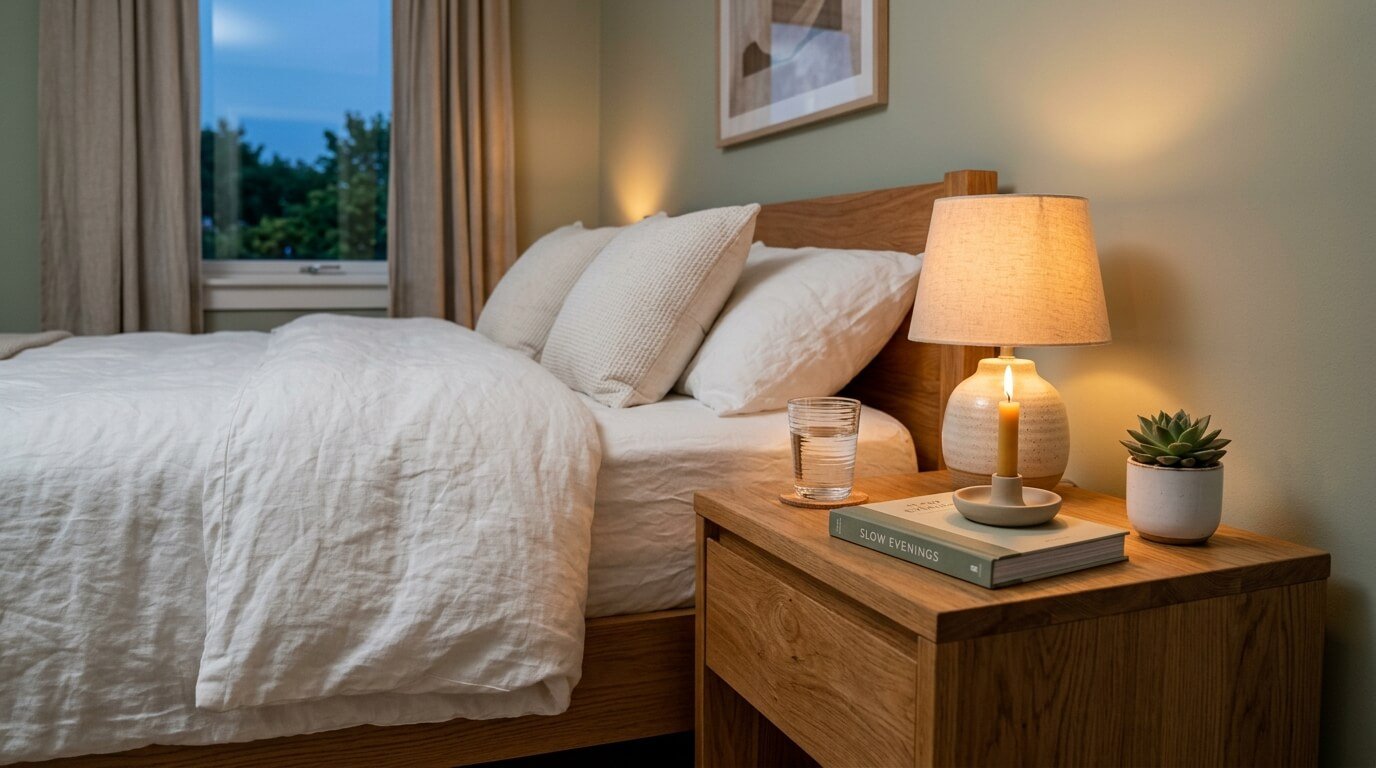
The quality of light beside your bed matters more than most people realize. Warm-toned bulbs — 2700K or lower — signal to your body that it is time to wind down. Avoid cool white or daylight bulbs on your nightstand entirely. A small ceramic or linen-shade lamp gives off the softest, most flattering glow. You can find simple bedside lamps for $20–$40 at most home stores. Swapping the bulb alone — to a warm LED — can change the whole feel of your nighttime routine.
2. A Single Meaningful Book
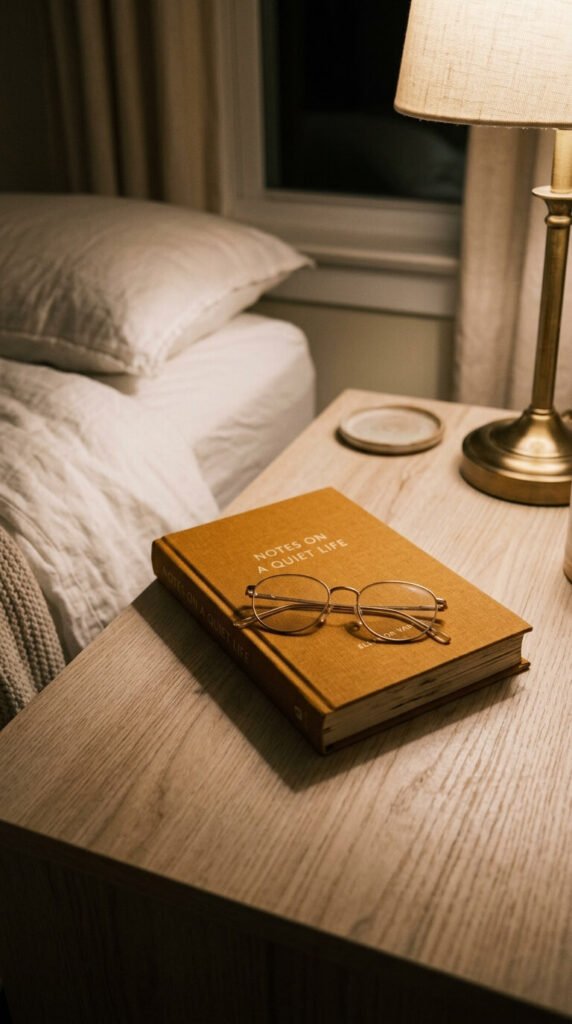
One book on the nightstand is a sleep habit and a decor choice in one. Keep it to a single book — the one you are currently reading — rather than a stack. A pile of unread books becomes a visual to-do list that creates low-level guilt rather than rest. A cloth-covered hardcover looks better than a paperback with a bent spine. If you do not have one handy, a book with a beautiful cover can simply sit there as a decorative object until you are ready to open it.
3. A Small Tray to Contain the Surface
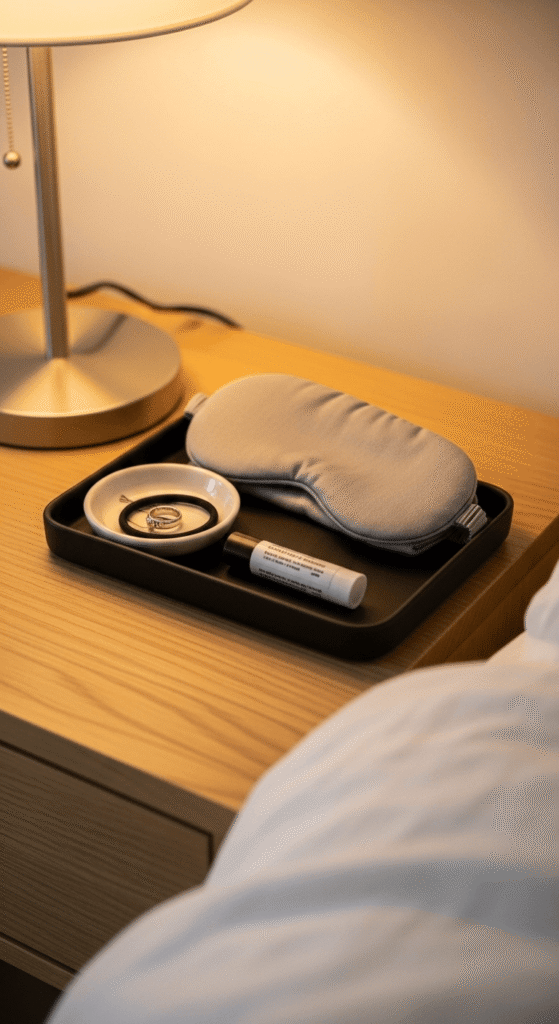
A tray on the nightstand functions the same way it does anywhere else in the house — it makes a group of small objects look intentional. Place a small tray at the center of the surface and keep everything you use at night inside it: lip balm, a sleep mask, a small dish for jewelry. Anything that does not fit in the tray does not live on the nightstand. This one rule keeps the surface tidy without requiring daily effort. Small trays cost $5–$15 at most home stores.
4. A Glass of Water (Styled Simply)
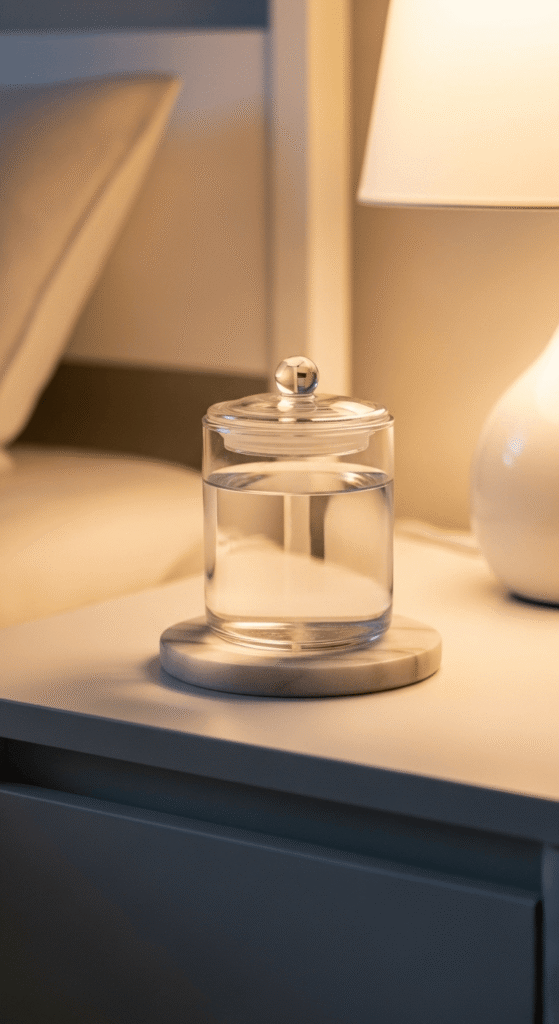
Keeping a glass of water on your nightstand is practical and, when done well, quietly beautiful. Use a clear glass with a simple lid to keep dust out overnight. Set it on a small marble or stone coaster to protect the surface. The water catches the lamplight in a way that feels serene rather than utilitarian. A lidded drinking glass costs under $10. The coaster adds a material contrast that makes the whole thing look considered rather than just convenient.
5. A Calming Scented Candle
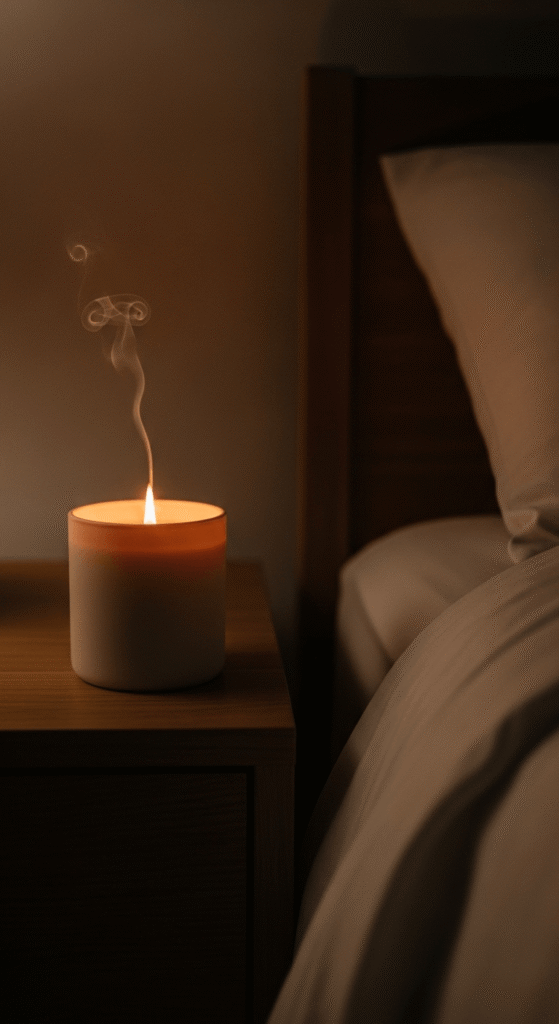
A candle on the nightstand signals the start of a wind-down routine. Choose a short, wide candle jar so it is stable and less likely to tip. Scents like lavender, sandalwood, chamomile, and cedarwood are commonly associated with relaxation. Light the candle as you start your bedtime routine and extinguish it before you sleep. Never leave a candle burning unattended. A good-quality soy candle costs $12–$20 and lasts for weeks of nightly use.
6. A Small Air-Purifying Plant
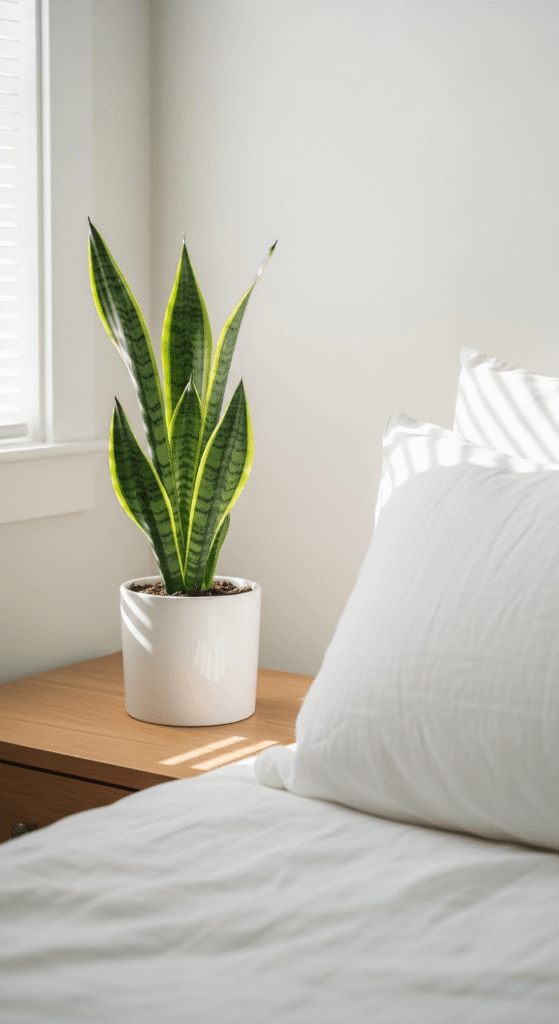
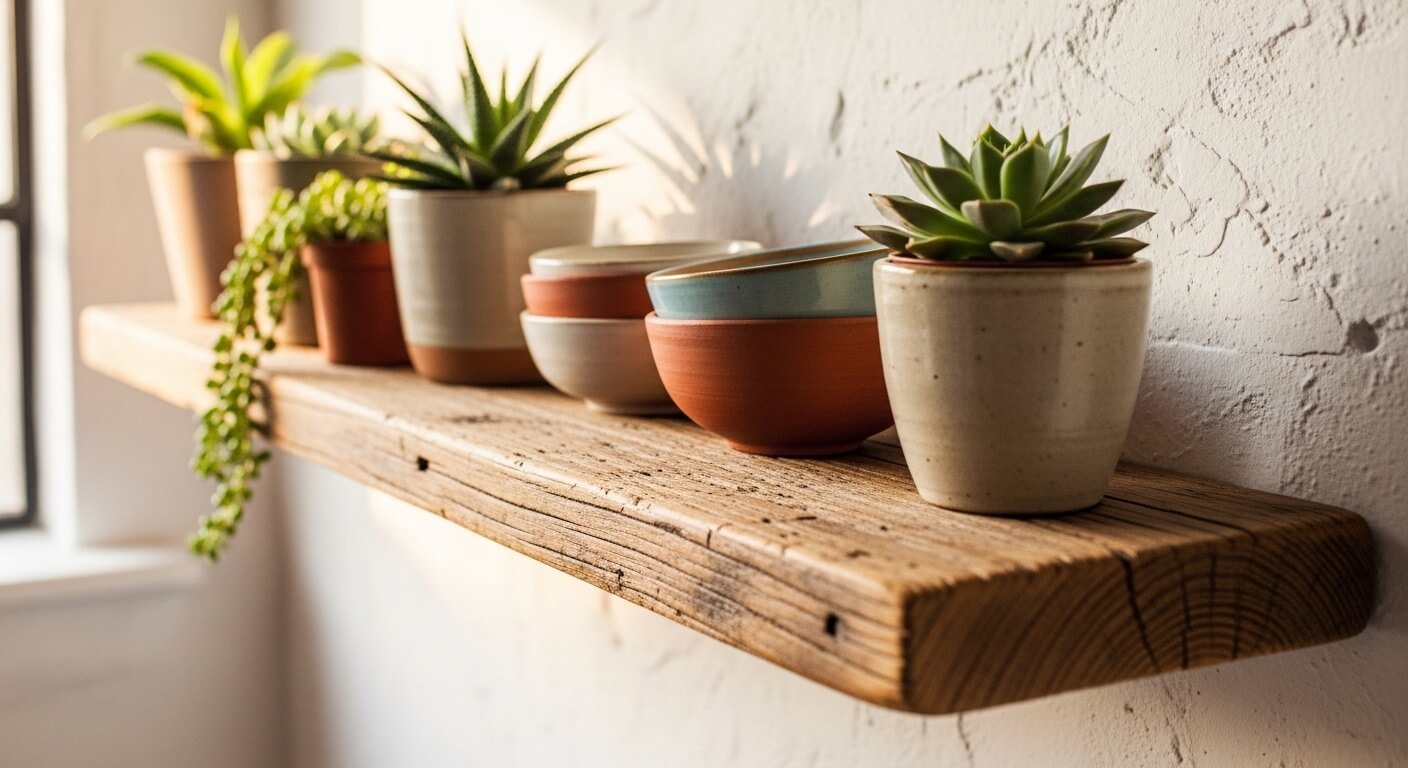
A small plant beside the bed adds life to the room without creating clutter. Snake plants and peace lilies are popular choices because they tolerate low light and are often cited for their air-filtering qualities. Keep the pot small — a four-inch pot is enough for a nightstand. Choose a simple white or terracotta pot so the plant is the visual focus. A small snake plant cutting costs almost nothing from a garden center or from a friend’s overgrowing plant.
7. A Dim-Adjustable Lamp or Salt Lamp
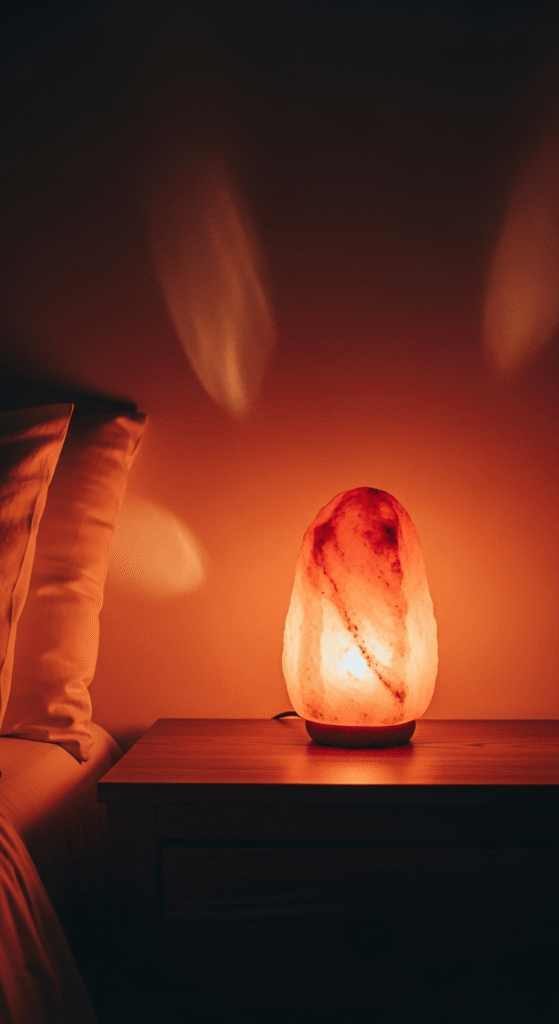
A salt lamp or a lamp with a dimmer switch gives you control over exactly how much light you want at bedtime. Lower light in the hour before sleep helps your body produce melatonin more effectively. A Himalayan salt lamp emits a very dim, warm amber glow that many people find deeply calming. They cost $15–$30 and plug directly into the wall. Alternatively, add a simple dimmer plug adapter to any existing lamp for about $10.
8. A Linen or Cotton Sleep Mask
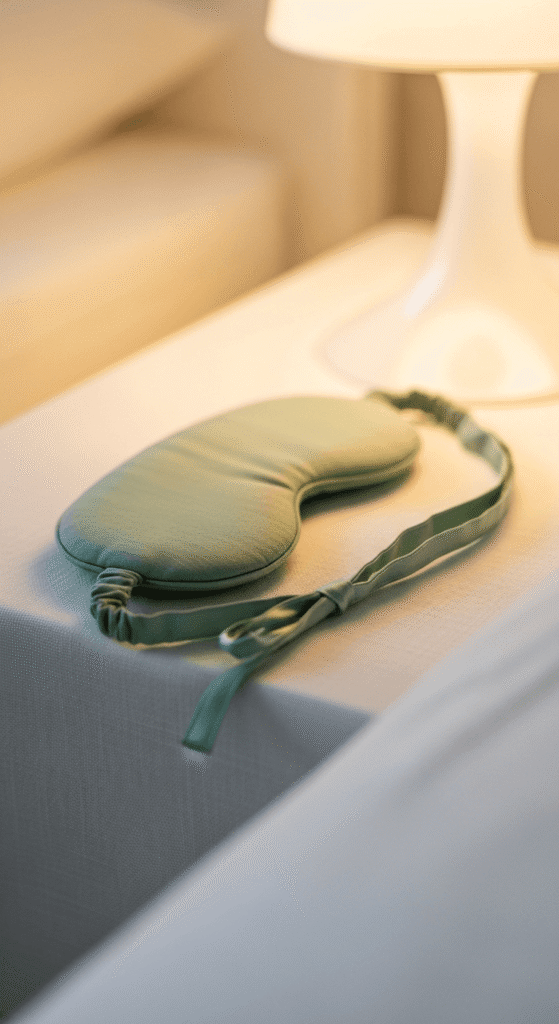
A sleep mask on the nightstand is both a sleep tool and a small luxurious detail. A mask in natural cotton, linen, or silk feels better against the skin and looks better than a synthetic one. Keep it folded on your tray or laid flat on the surface so it is easy to find in the dark. A good cotton or silk sleep mask costs $8–$20. In a well-lit bedroom or one that catches early morning sun, a mask can genuinely improve your sleep quality.
9. A Small Journal and Pen
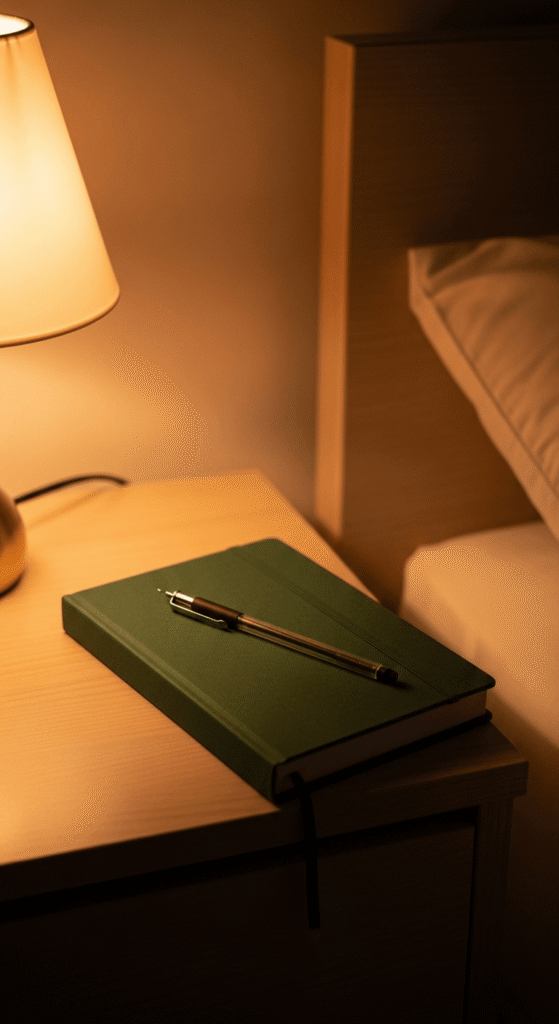
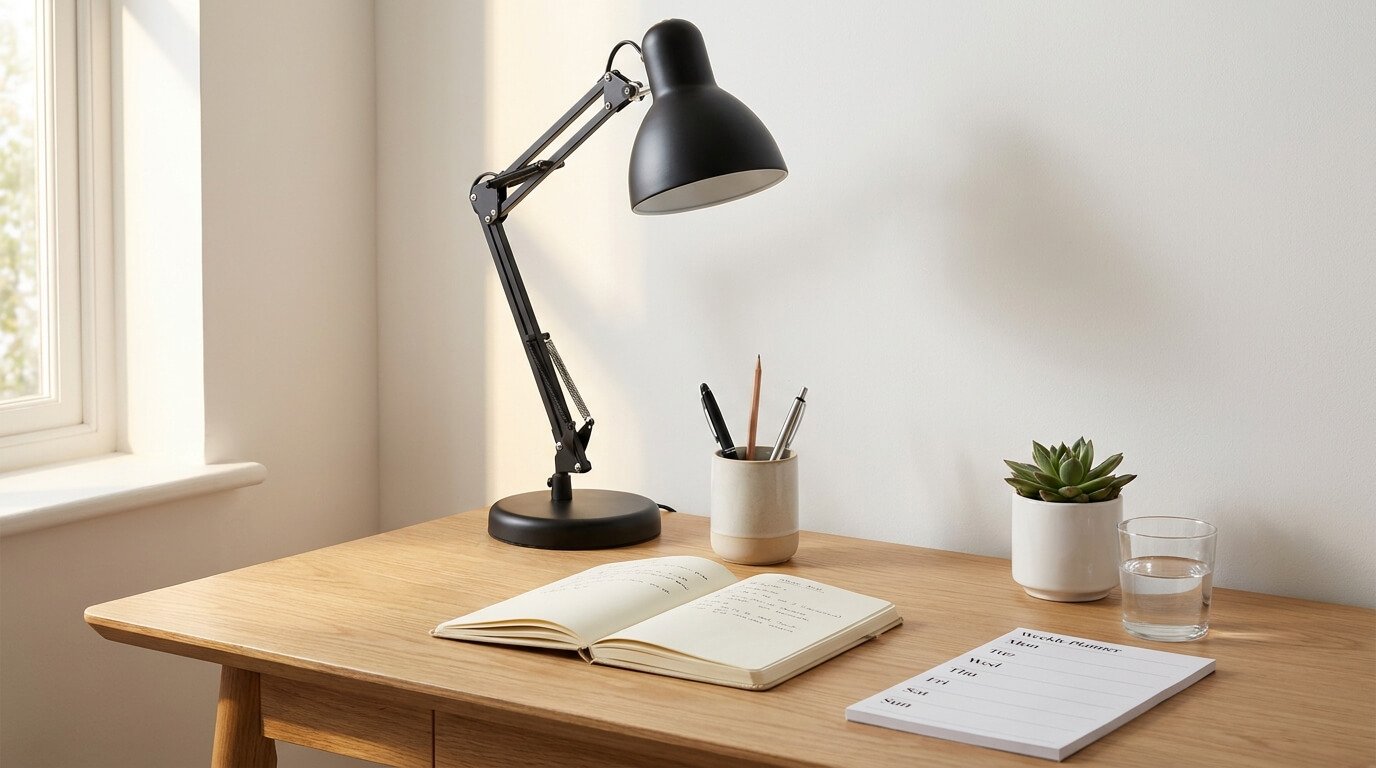
Keeping a journal on the nightstand supports a winding-down habit that many people find helps them sleep better. Writing down tomorrow’s tasks or three things you noticed today is a way to clear your mind before sleep rather than lying in bed replaying the day. A slim cloth-covered journal looks much better on a nightstand than a spiral-bound notebook. Keep a single pen on top so you never have to search for one. The whole setup costs under $15.
10. A Small Essential Oil Diffuser
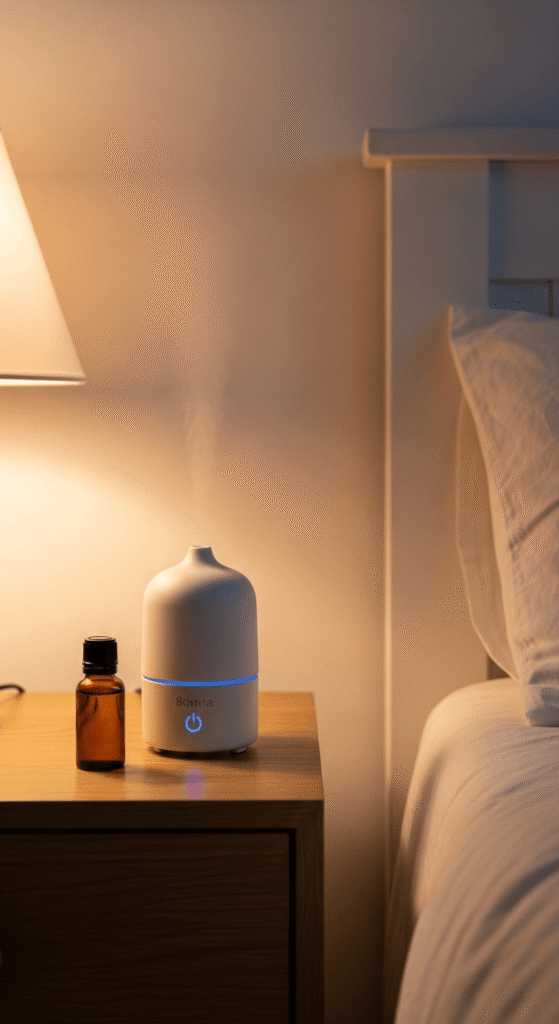
An essential oil diffuser beside the bed fills your bedroom with a consistent, calming scent that becomes part of your sleep signal. Lavender, bergamot, and frankincense are among the most widely used oils for sleep and relaxation. Choose a compact, quiet ultrasonic diffuser — the noise from cheaper models can be disruptive. Small ceramic diffusers cost $20–$35. Add four to six drops of oil before your bedtime routine starts and let the scent do its work before you even get into bed.
11. A Charging Station Out of Sight
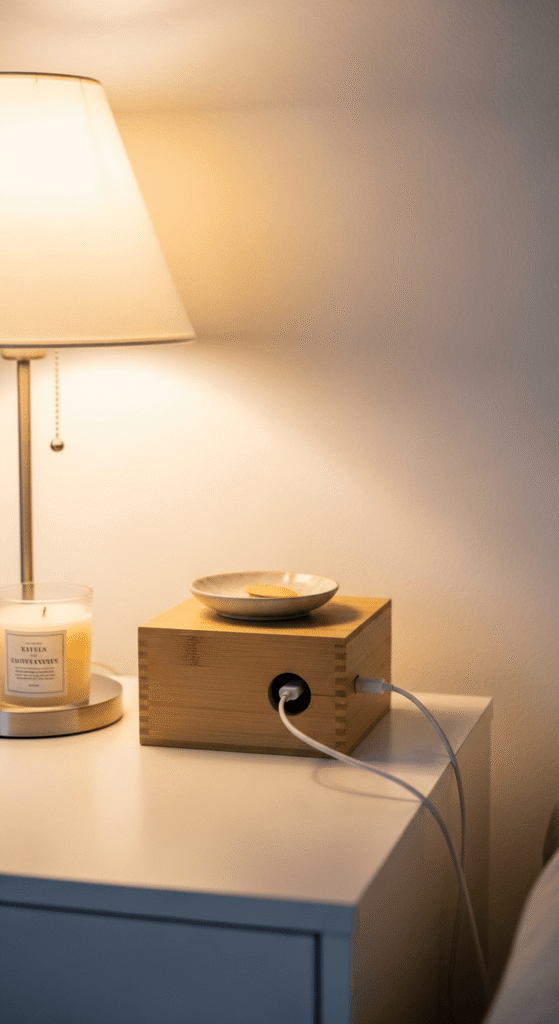
Charging cables on the nightstand are one of the biggest sleep-hygiene problems hiding in plain sight. Keep your phone charging inside a drawer or a lidded box on the nightstand so the screen light does not interrupt sleep. A small wooden box with a hole drilled in one side for the cord hides the whole setup for about $5 in materials. Charging your phone away from arm’s reach also reduces the temptation to scroll before bed, which genuinely improves how quickly you fall asleep.
12. A Low Ceramic or Stone Dish for Jewelry
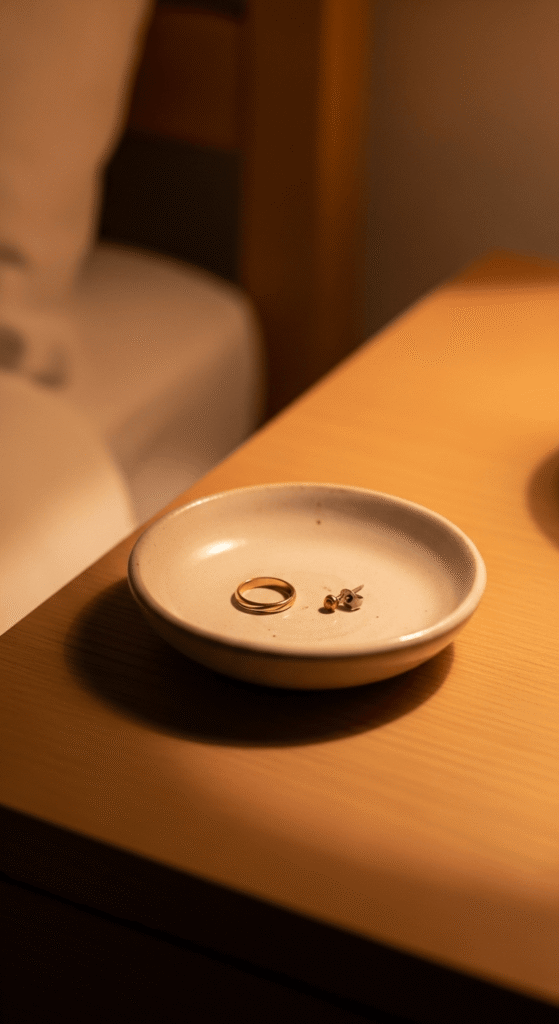
A small dish for rings, earrings, and a hair tie keeps jewelry from scattering across the nightstand and getting lost. Choose a shallow, handmade-looking ceramic dish in a neutral tone — matte white, warm cream, or terracotta. The imperfect edges of a handmade piece look more considered than a perfectly uniform manufactured one. Small ceramic dishes cost $5–$12 at most home stores or pottery markets. Place it on your tray so it stays as part of the curated surface arrangement.
13. A Favorite Photograph in a Simple Frame
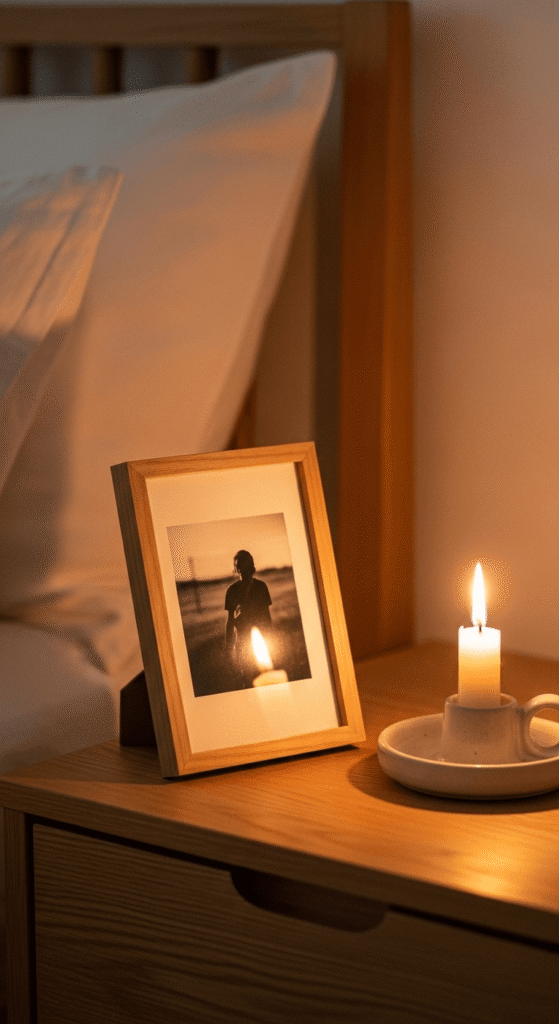
A single photograph on the nightstand makes a bedroom feel genuinely personal without adding clutter. Use a 4×6 print in a thin, simple frame — natural wood, black, or brass. Choose an image that makes you feel calm or happy: a landscape, a person you love, or a place that holds meaning. Set it upright at the back of the nightstand surface. Looking at something meaningful before sleep is a small but real act of positive self-care that costs almost nothing.
14. A White Noise Machine or Small Speaker
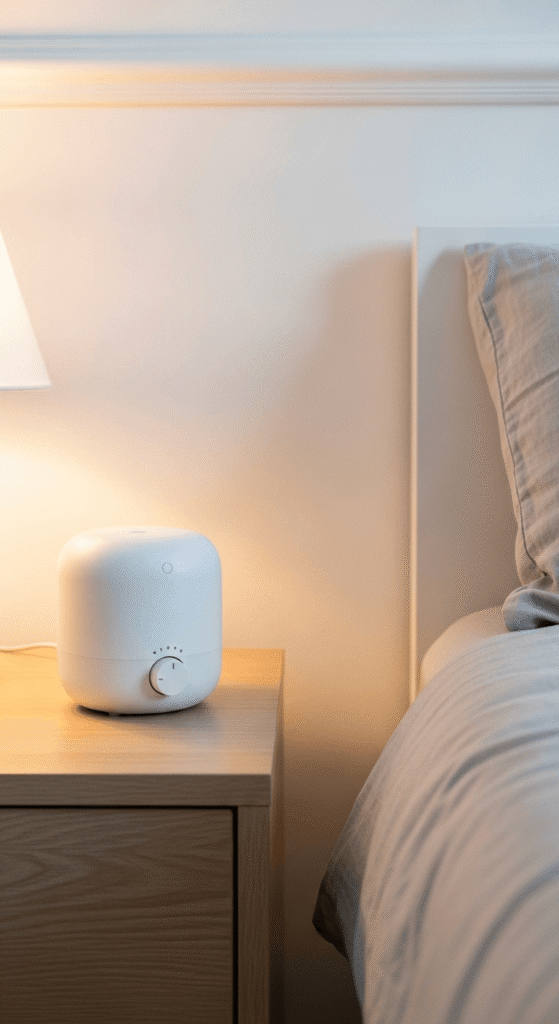
A white noise machine beside the bed can make a real difference if outside noise disrupts your sleep. Choose a compact, attractive model in white or a neutral tone so it reads as part of the nightstand display rather than a piece of electronics that was left there. Small white noise machines cost $25–$50 and have a consistent, masking sound that many people find deeply sleep-inducing. A small Bluetooth speaker used for calming music or sleep meditations serves a similar purpose.
15. A Compact Alarm Clock (Not Your Phone)
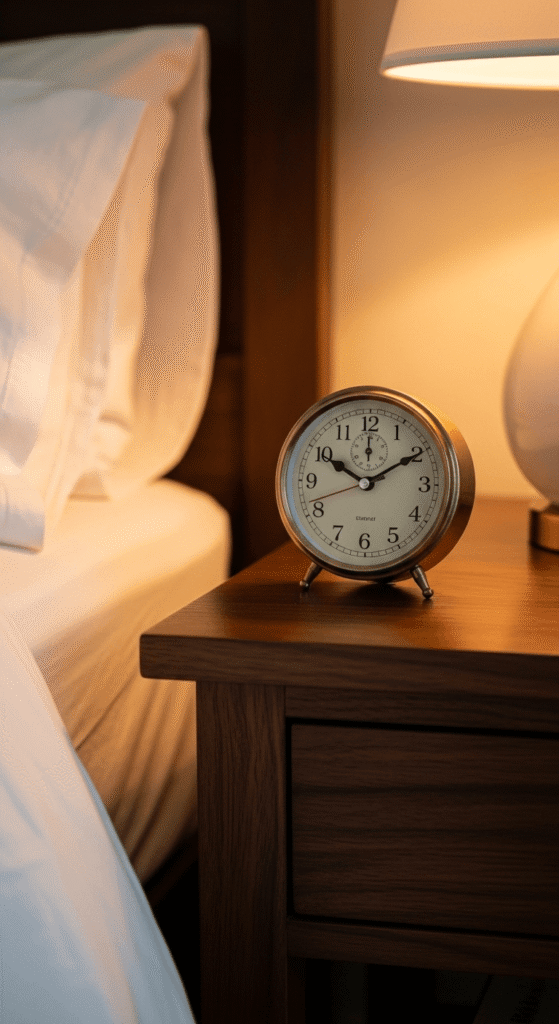
Replacing your phone as the alarm clock is one of the most impactful changes you can make to your sleep habits. A small analog or simple digital alarm clock keeps your phone out of the bedroom entirely — or at least off the nightstand surface. A simple round alarm clock in a warm metal finish costs $15–$30 and looks genuinely good on a nightstand. Without your phone at arm’s reach, the temptation to check it in the middle of the night essentially disappears.
16. A Dried Flower Bud Vase
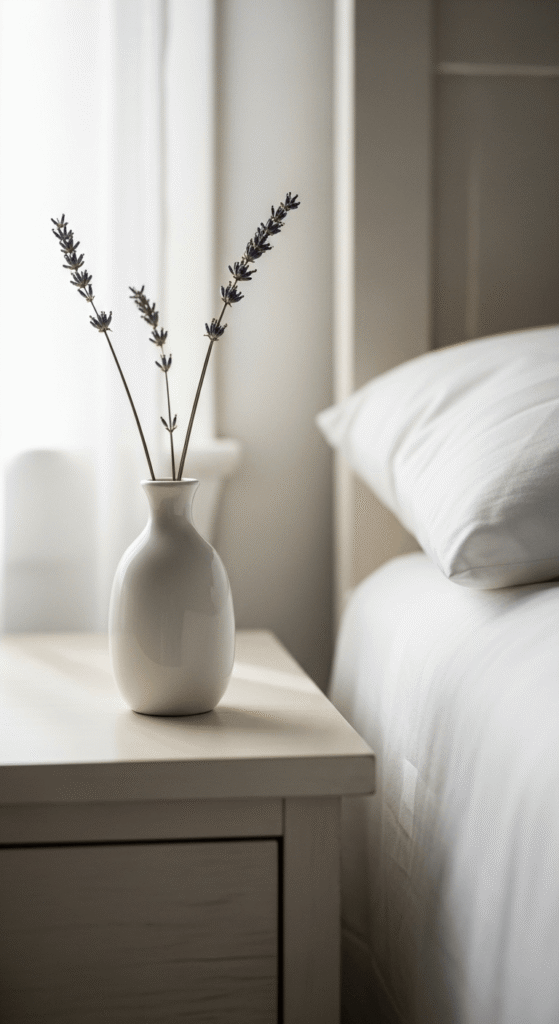
A small bud vase with dried stems adds organic softness to a nightstand without any maintenance. Dried lavender, dried lunaria, or a single preserved eucalyptus sprig in a narrow-necked vase stays beautiful for months and adds a faint, calming natural scent if you choose lavender. A ceramic bud vase costs $5–$10. A bundle of dried lavender from a farmers market or craft store costs about $5. Together they make one of the most quietly beautiful and low-effort nightstand additions possible.
17. A Soft Linen Tissue Box Cover
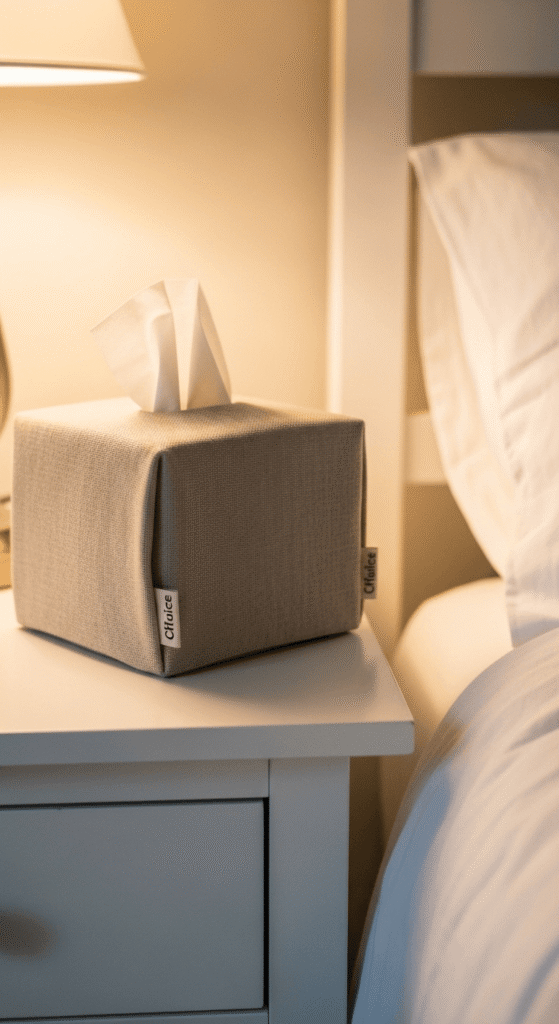
A tissue box is one of those practical nightstand items that usually looks terrible. A fabric tissue box cover in linen or cotton makes it look like a deliberate decor choice rather than a leftover from the drugstore run. You can sew a simple slip-cover from a linen remnant for under $3, or buy a ready-made cover for $8–$15. It is a tiny change that makes a real visual difference when the alternative is a brightly branded box sitting in the middle of your calming bedroom display.
18. A Calming Crystal or Smooth Stone
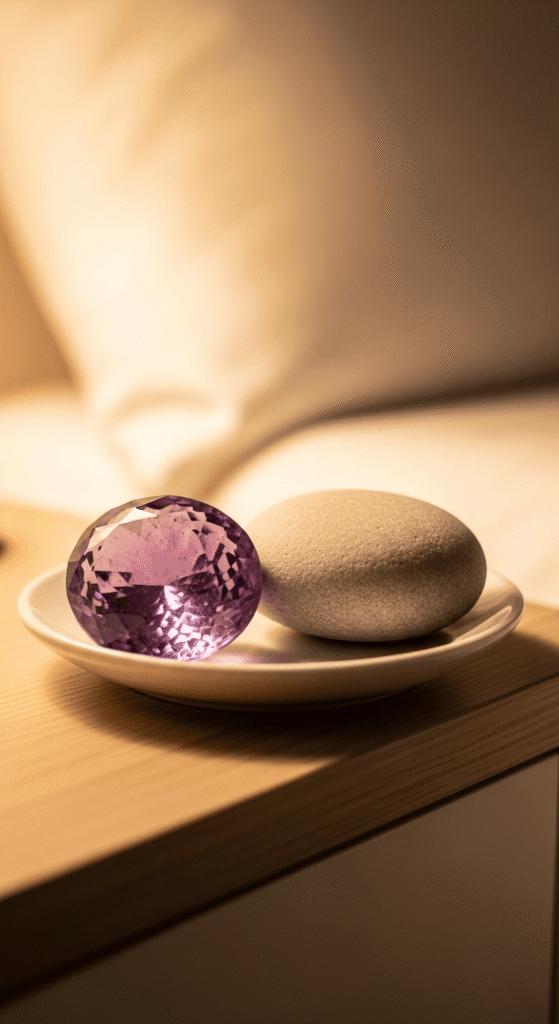
A smooth stone or crystal on the nightstand is a small tactile and visual pleasure. Whether or not you attribute any properties to crystals, holding a smooth, cool stone for a moment before sleep is a genuinely grounding sensation. A palm stone from a crystal shop costs $3–$8. A smooth river stone from a walk outside costs nothing. Place it in a small dish on your tray so it stays contained. The combination of texture, weight, and coolness makes it one of the most tactile objects on this list.
19. A Bedside Carafe and Cup Set
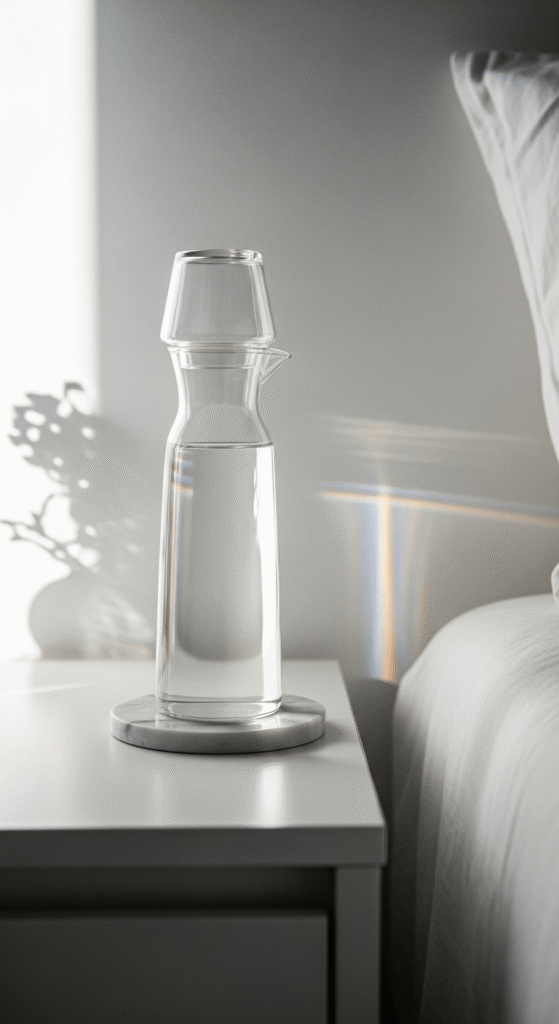
A bedside carafe with a matching glass looks elegant and keeps your water fresh overnight. The glass sits inverted on top of the carafe as a lid, which keeps the water dust-free and the whole set looks intentional. Glass carafes are inexpensive — $10–$20 — and replace the need for a covered glass separately. Set it on a small marble or stone coaster. This small upgrade makes the practical act of keeping water beside the bed feel considered rather than utilitarian.
20. A Reading Pillow or Backrest for Evening Wind-Down
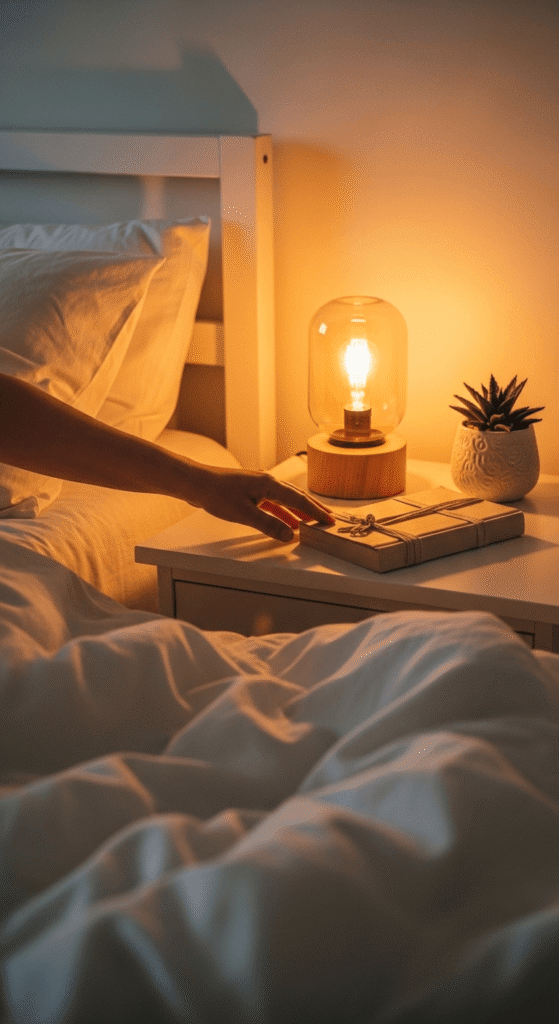
Setting your bedroom up for reading — not just sleeping — makes the wind-down process more appealing. A reading pillow or a few extra pillows stacked against the headboard signal that this is a space for slow, restful activity before sleep. This is less about a single nightstand object and more about how the whole bedside zone functions. A good reading position makes the habit easier to sustain. When reading is comfortable, you are more likely to choose it over scrolling.
21. A Nightstand with a Drawer for Hidden Clutter
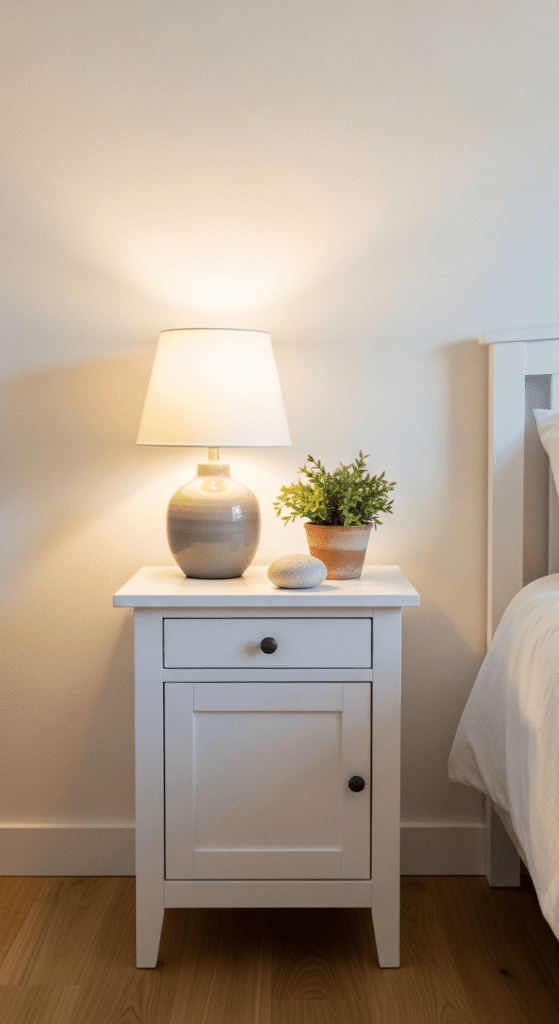
The single most effective nightstand decor upgrade is choosing a table with at least one drawer. Everything you use but do not want to see — charger, hand cream, medications, sleep mask, hair ties — lives in the drawer. The surface stays clear for the few objects you actually want to look at. A nightstand with a drawer does not have to cost more than one without. Many affordable options from furniture stores include at least one drawer for $40–$80.
22. A Small Diffuser Bracelet or Aromatherapy Roll-On
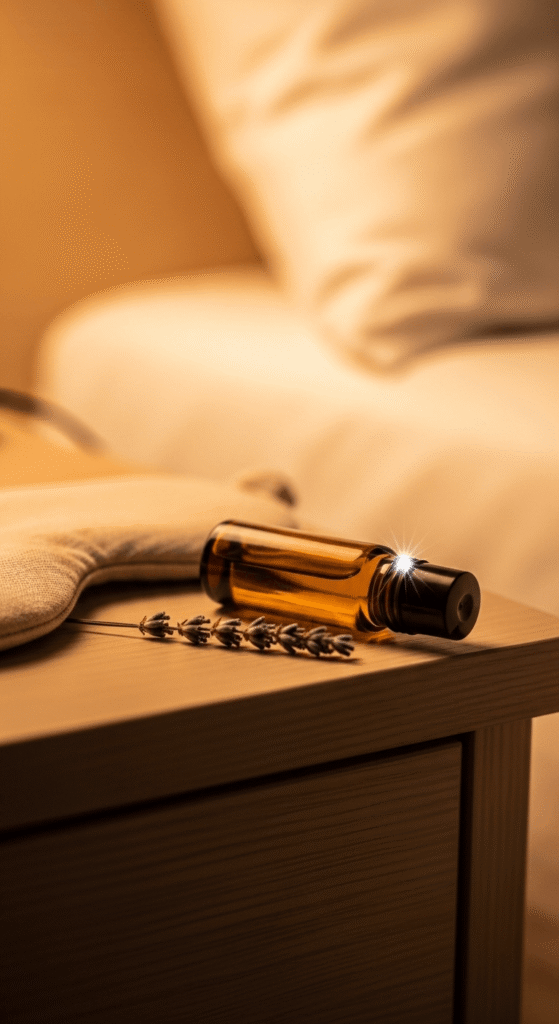
An aromatherapy roll-on on the nightstand is the smallest, most affordable sleep-support tool on this list. A roller bottle of lavender or chamomile oil applied to the wrists or temples before sleep is a simple ritual that many people find calming. It costs $5–$10 at a health food store or online. Keep it on your tray or beside your candle so it is part of your visible bedtime routine display. The act of reaching for it and applying it deliberately becomes a sleep cue over time.
Conclusion
Your nightstand is the last thing you see before you close your eyes and the first thing in your line of sight when you wake up. It deserves the same care you would give any other part of your home — maybe more. You do not need all 22 of these items. Start with the two or three that feel most relevant to how you sleep now: maybe a warmer lamp, a journal, and a small plant. Build the surface slowly, remove anything that creates visual noise or stress, and pay attention to how the changes affect your evenings. A calm nightstand is one of the simplest, most affordable ways to support better sleep — and it starts with deciding what belongs there.