
28 Eco-Conscious Sustainable Decor Picks That Help The Planet


Disclosure: As an Amazon Associate we earn from qualifying purchases. Some links on this page may be affiliate links — if you click through and make a purchase, we may receive a small commission at no extra cost to you.
Decorating your home doesn’t have to come at the planet’s expense. More people are choosing pieces that look beautiful and do less harm — and the options have never been better. From reclaimed wood shelves to beeswax candles, sustainable decor is now affordable, stylish, and genuinely accessible. Whether you’re starting from scratch or swapping out one piece at a time, small choices add up fast. This list covers 28 real, practical picks that reduce waste, support ethical makers, and give your space a grounded, natural feel.
1. Reclaimed Wood Shelving
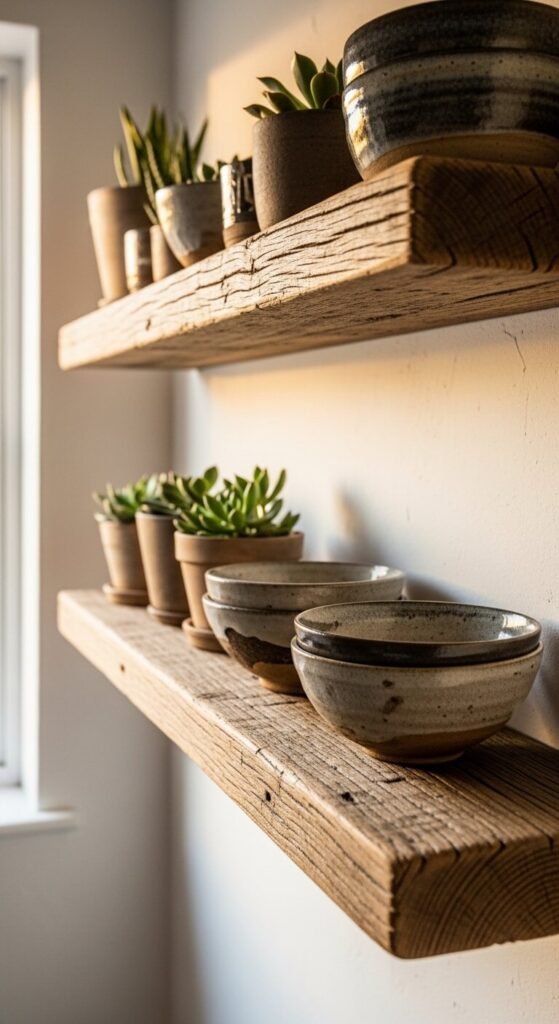
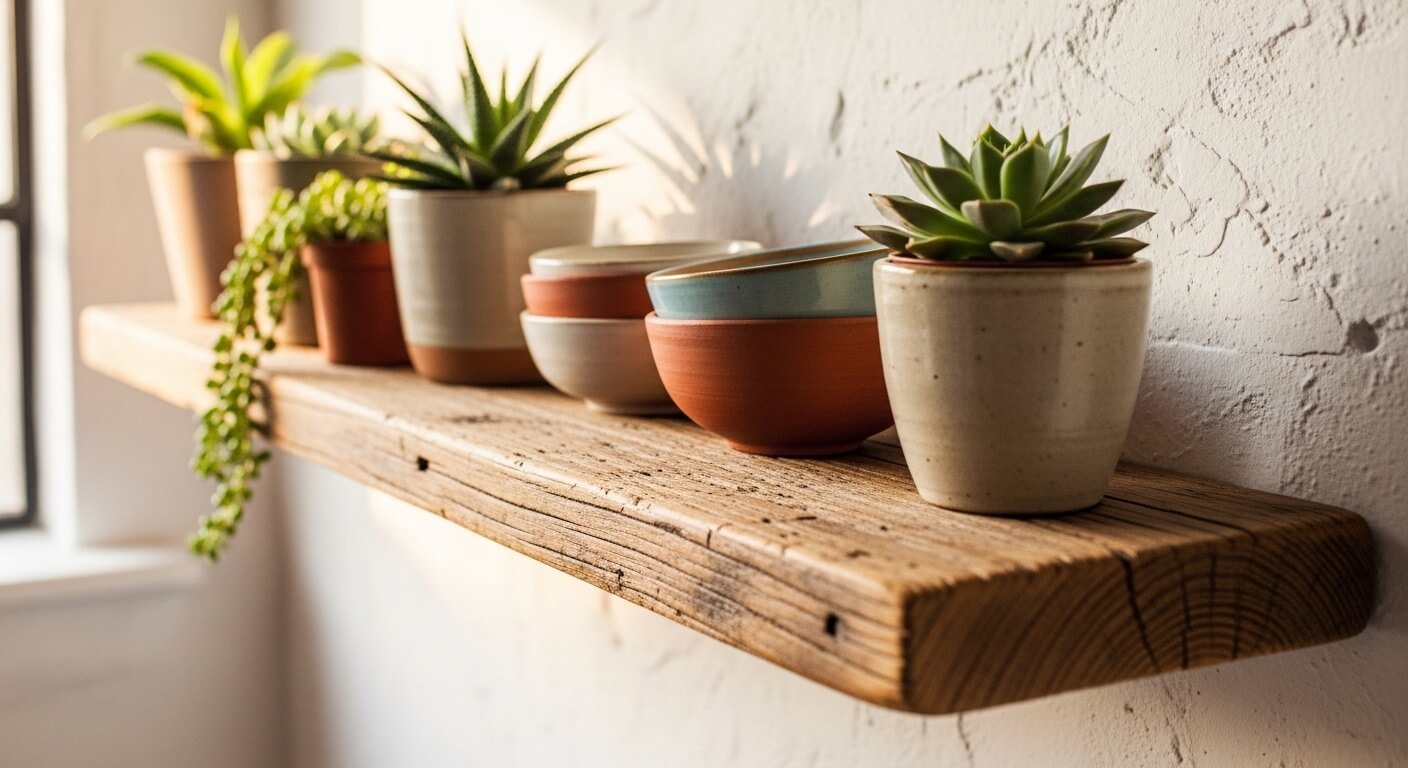
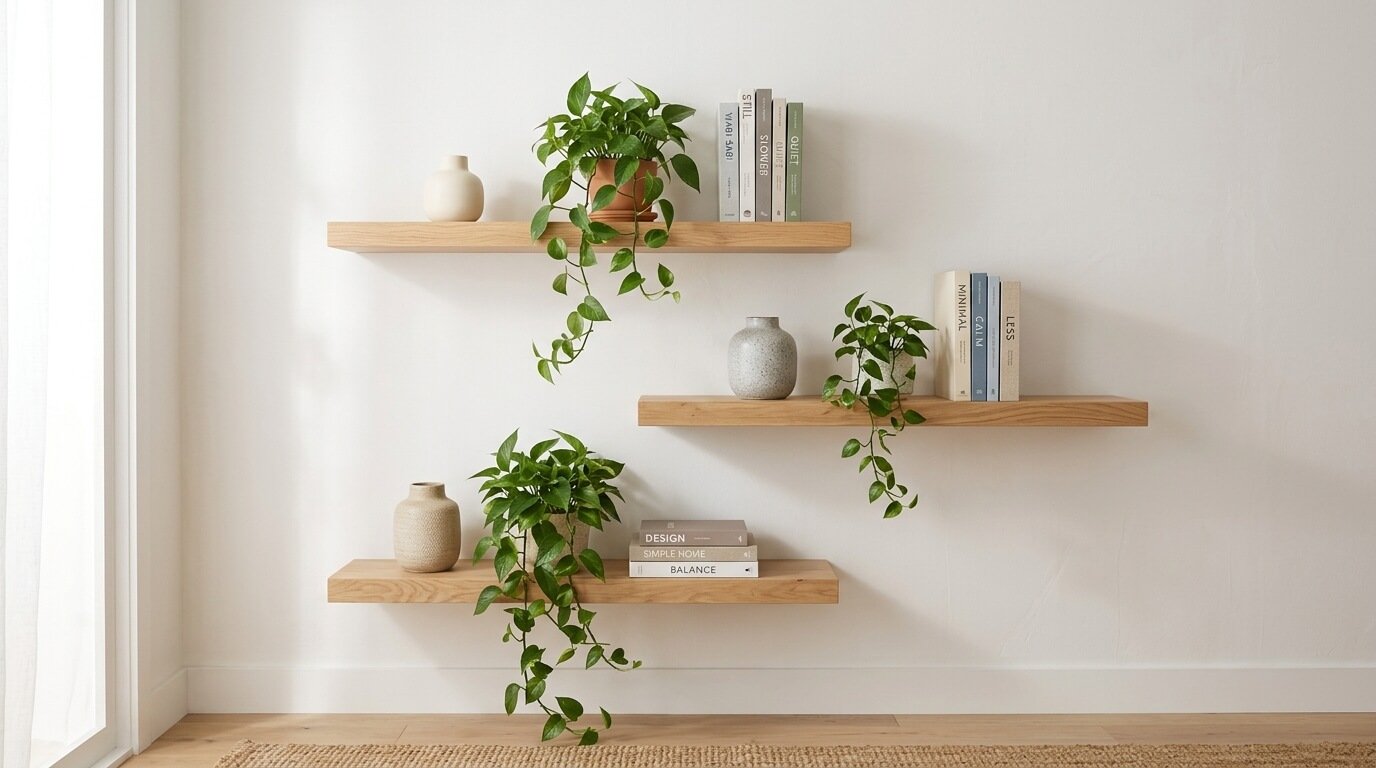
Old wood has a story. Reclaimed shelving pulls timber from demolished barns, factories, and old homes — keeping it out of landfills. You can find reclaimed boards at salvage yards for $10–$30. Sand lightly, seal with a natural beeswax finish, and mount with basic hardware. The knots and grain marks are part of the charm. No two pieces look the same. It’s a cheap, weekend-level DIY that adds real character to any wall.
2. Jute Rugs
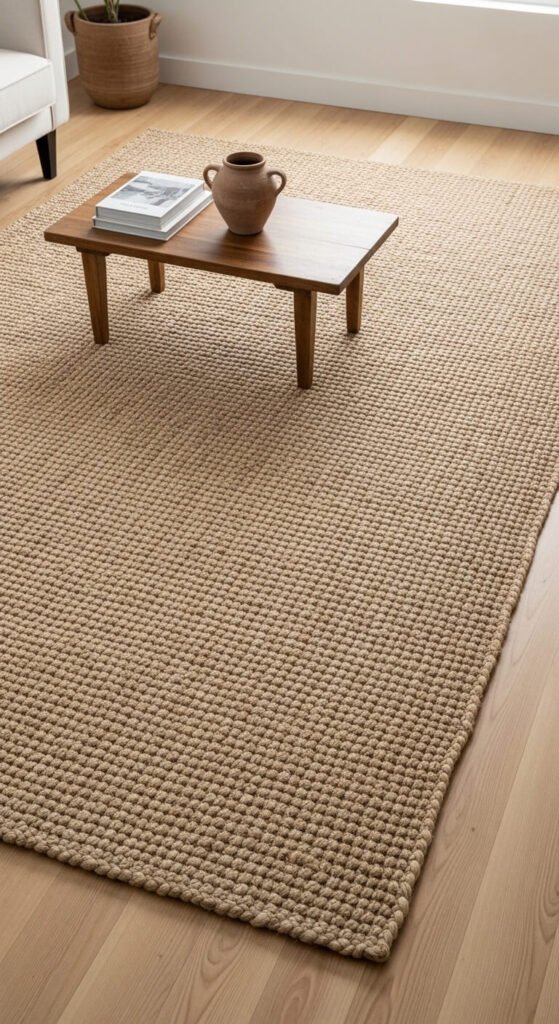
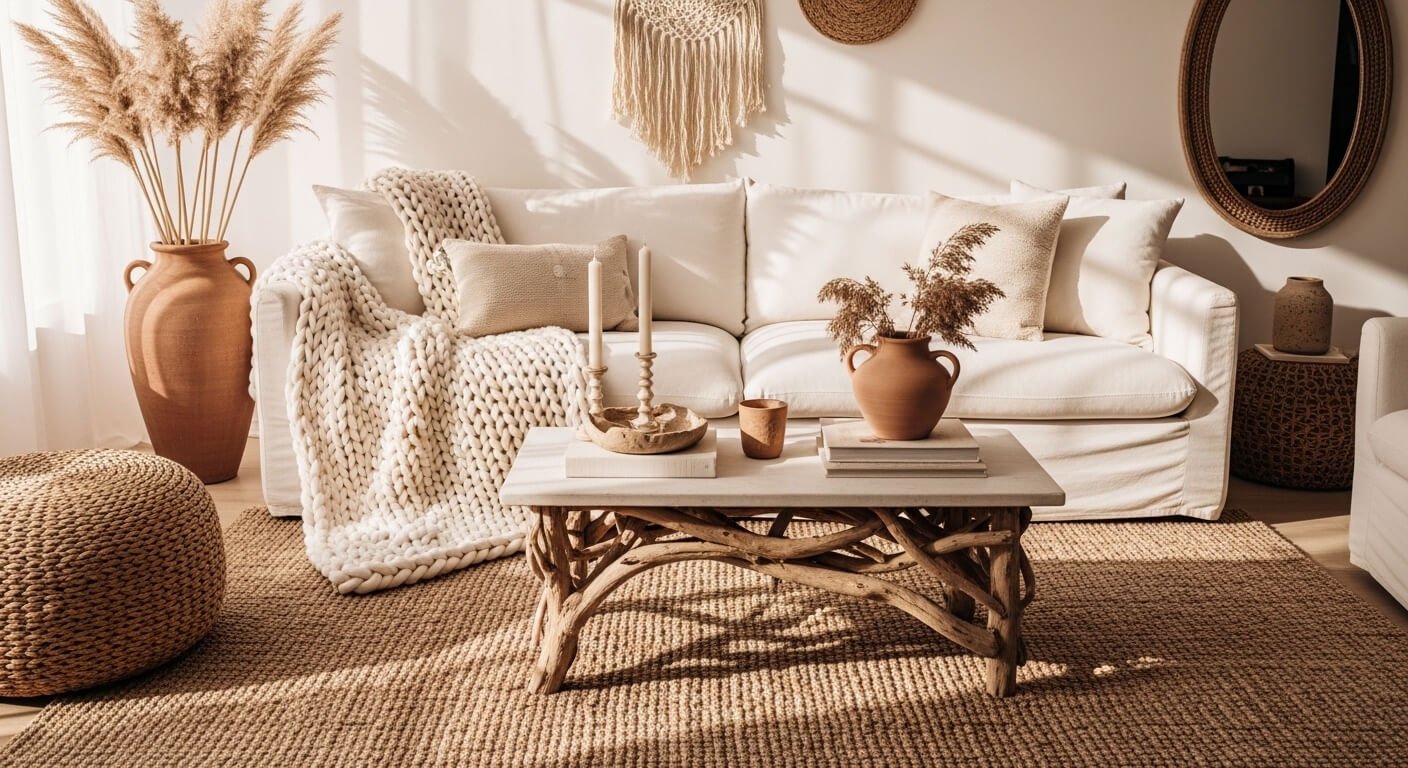
Jute is a fast-growing plant that needs almost no pesticides or irrigation. Jute rugs biodegrade at the end of their life — unlike synthetic rugs that shed microplastics. They’re widely available at big-box stores for $40–$120. Best for low-traffic areas since they’re not super moisture-friendly. Pair with a natural fiber rug pad underneath to extend its life. A simple swap that makes a real difference underfoot.
3. Beeswax Candles

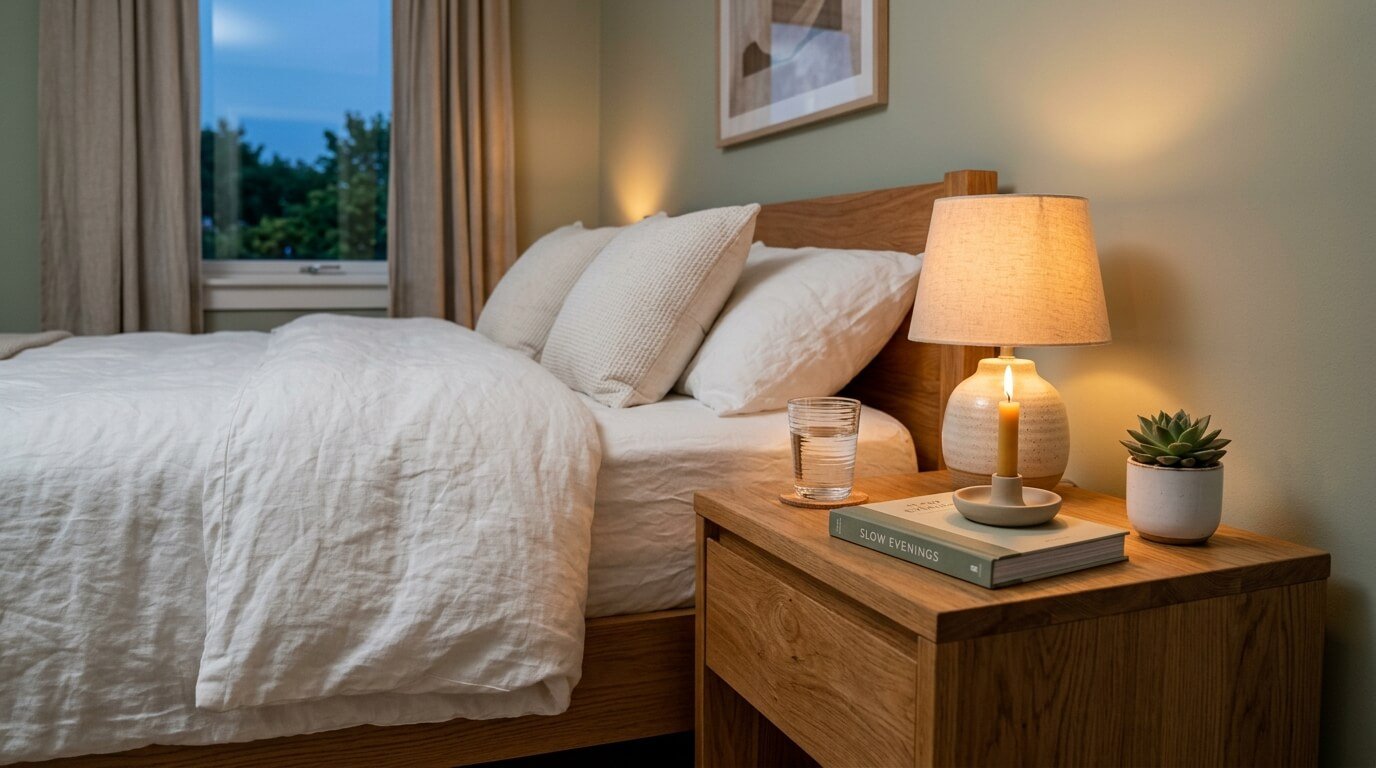
Most candles are made from paraffin — a petroleum byproduct that releases toxins when burned. Beeswax candles burn cleaner, last longer, and smell naturally warm without synthetic fragrance. A set of three pillar candles runs about $15–$25. Even better — look for candles from local beekeepers at farmers markets. You’re supporting pollinator health and cutting chemical exposure at the same time. Small swap, big impact.
4. Secondhand Furniture Finds
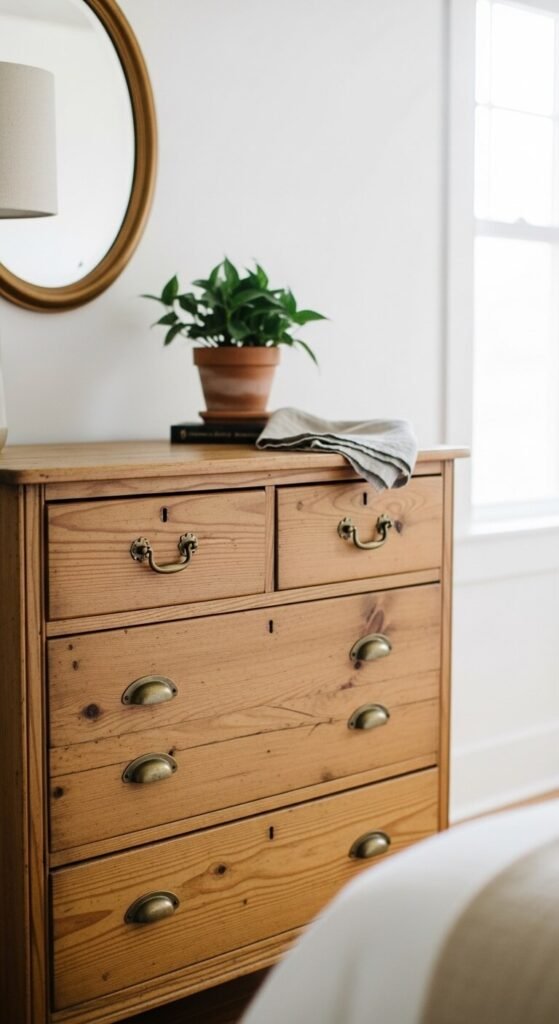
Buying used is one of the most planet-friendly choices you can make. Secondhand furniture skips the manufacturing process entirely. Facebook Marketplace, Craigslist, and thrift stores regularly have solid wood dressers, tables, and chairs for a fraction of retail. A coat of milk paint or new hardware can completely transform an old piece. Spend $20 on a can of non-toxic paint and turn a $30 thrift find into something you’d pay $300 for new.
5. Linen Curtains
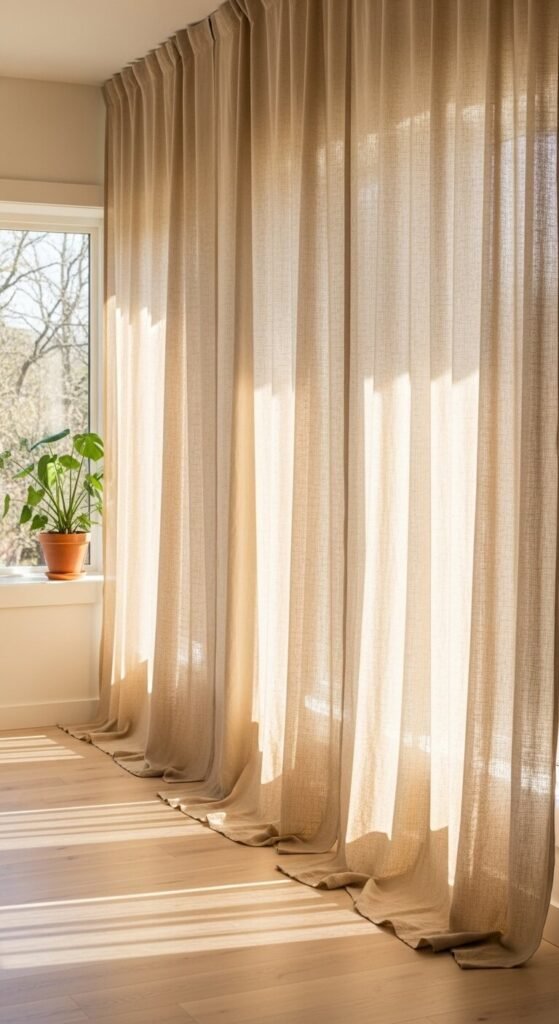
Linen is made from flax — a plant that uses very little water and can grow in poor soil. Linen curtains are durable, fully biodegradable, and get softer with each wash. Undyed or naturally dyed options are the cleanest choice. IKEA carries affordable linen curtain panels, or check Etsy for small-batch makers. They work in almost any room and age beautifully. Skip the polyester sheers and go with something that will last a decade.
6. Terracotta Pots
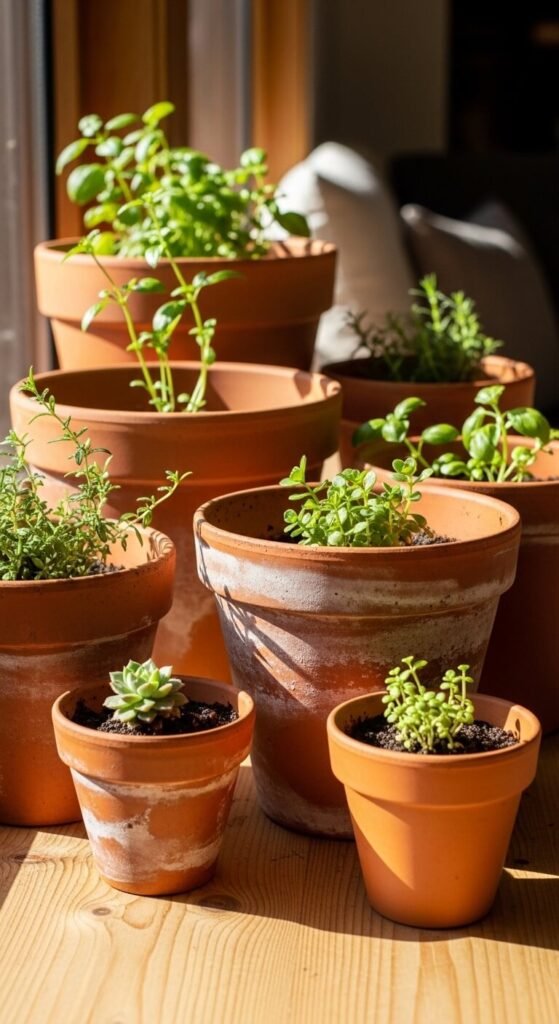
Terracotta is just clay and water — completely natural and fully compostable. Terracotta pots are breathable, affordable, and ideal for most houseplants. A small pot costs $1–$3 at garden centers or dollar stores. They look great grouped together, stacked, or painted with a simple natural dye. When one breaks, crush it into drainage material for your other pots. Nothing goes to waste. It’s the most low-tech, low-impact planter on the market.
7. Cork Boards and Accessories
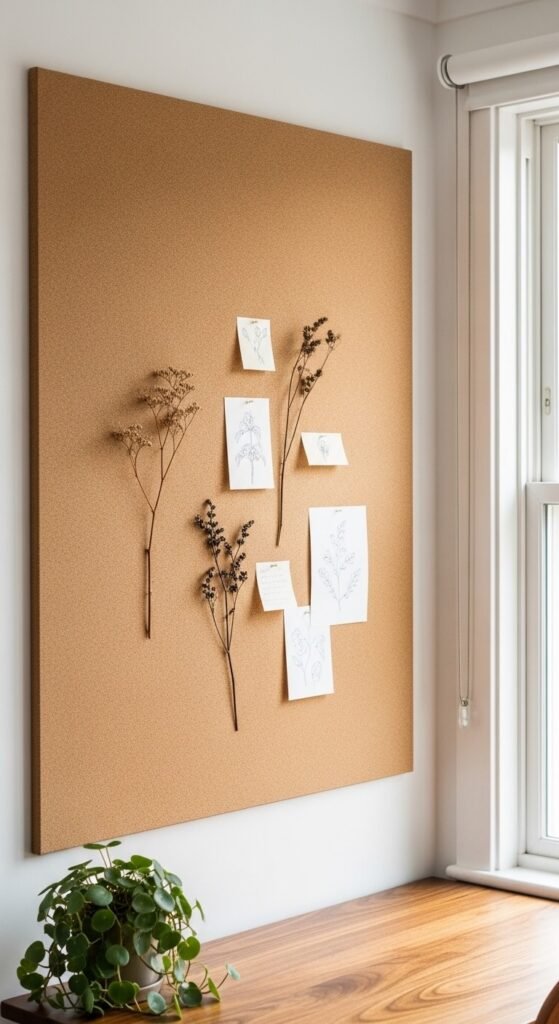
Cork is harvested from the bark of cork oak trees without cutting the tree down. Cork is one of the most renewable materials in home decor. Cork boards, trivets, coasters, and wall tiles are all widely available. A standard cork board costs $8–$20. Cork tiles can cover an entire accent wall for under $50. It naturally resists mold and insects, making it practical too. Look for cork products that use water-based adhesives rather than chemical glues.
8. Organic Cotton Throw Blankets
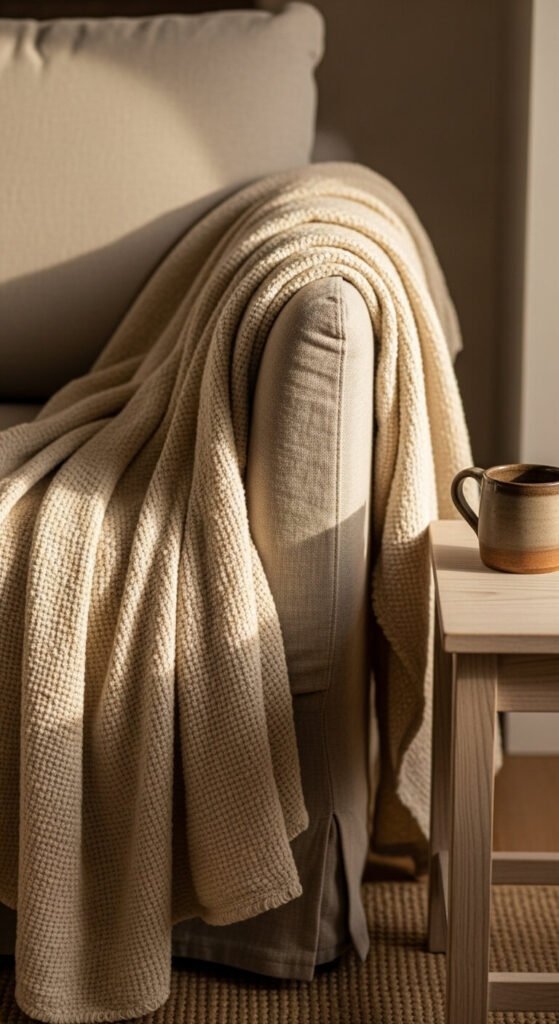
Conventional cotton uses enormous amounts of water and pesticides. Organic cotton is grown without synthetic chemicals and certified by GOTS or OEKO-TEX. Organic throws run $30–$60 and last years with proper washing. Wash in cold water to extend the life and reduce energy use. Brands like Coyuchi or Pact offer affordable options. If budget is tight, check ThredUp or Poshmark — you can often find gently used organic cotton pieces for under $15.
9. Dried Botanical Wall Art
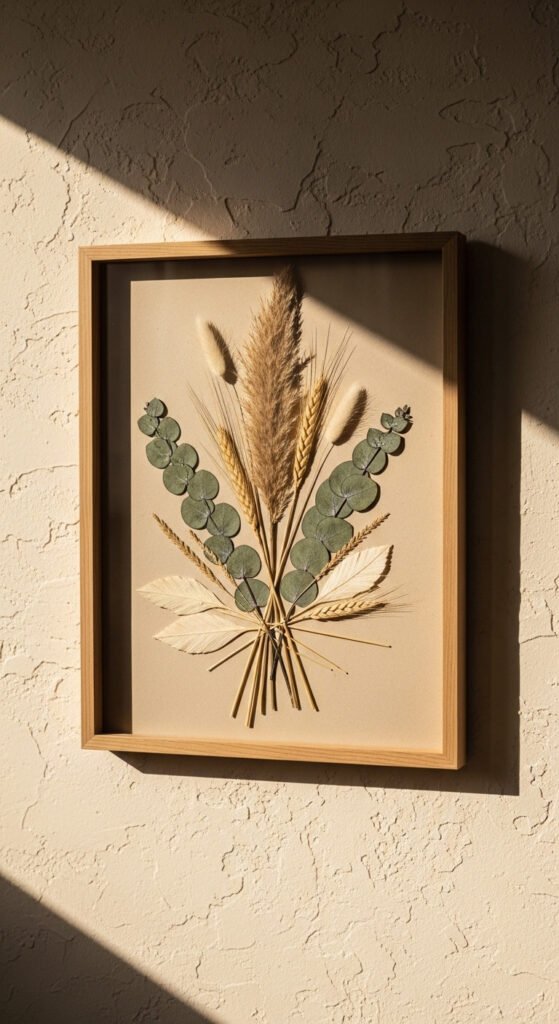
Dried botanicals require zero energy to maintain and zero water. Dried flower and plant arrangements can last 2–3 years with minimal care. Press flowers from your garden, arrange in a simple wooden frame, and hang. Total cost: near zero if you grow your own. Or buy dried bunches at craft stores for $5–$15. Pampas grass, lavender, and lunaria are all popular choices. Skip the fake plastic flowers — these are the real thing, just preserved naturally.
10. Wool Felt Storage Baskets
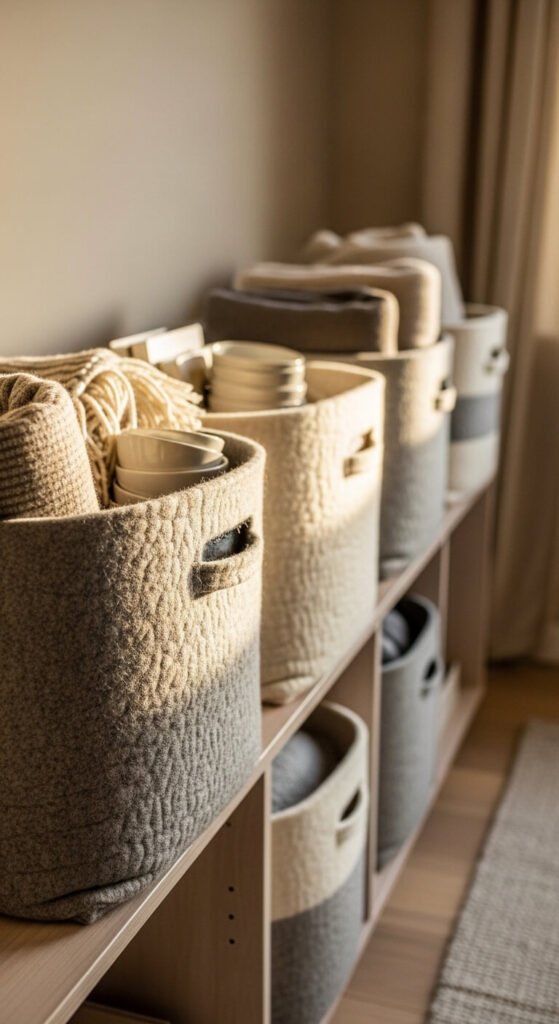
Wool is biodegradable, naturally fire-resistant, and incredibly durable. Wool felt baskets are a great swap for plastic bins or synthetic fabric storage boxes. Look for fair-trade wool felt products — many come from Nepal or Mongolia where felt-making is a traditional craft. Prices range from $15–$40. They hold their shape, look elegant on shelves, and break down naturally at end of life. One basket purchased once is worth far more than cheap plastic bins replaced every year.
11. Bamboo Kitchen Accessories on Display
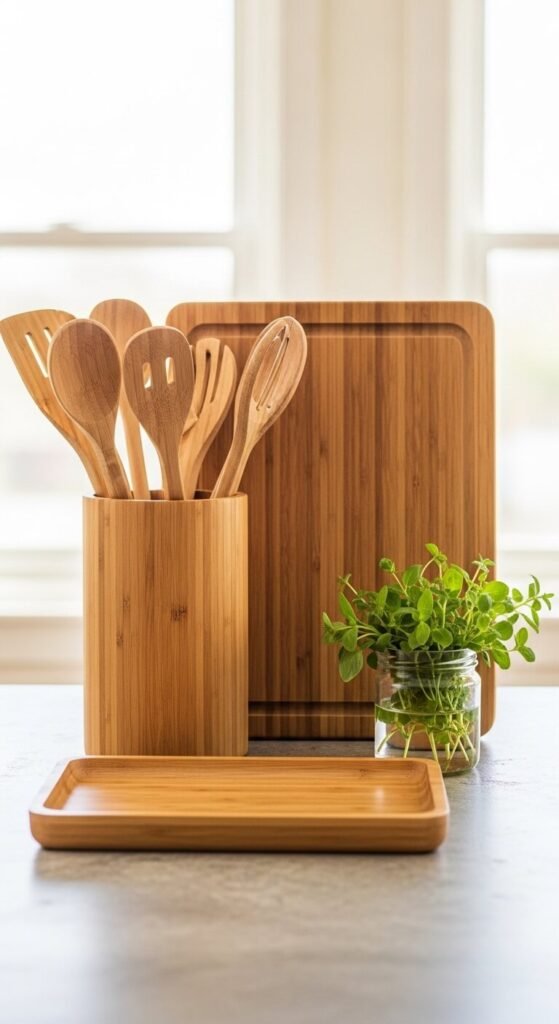
Bamboo grows incredibly fast — some species grow several feet per day. Bamboo kitchen accessories like utensil holders, trays, and trivets double as decor when placed on open counters. A bamboo utensil set costs $10–$20. Oil it occasionally with food-safe mineral oil to prevent cracking. Avoid bamboo products bonded with formaldehyde-heavy resins — look for brands that specify non-toxic adhesives. Simple, clean, and functional on any countertop.
12. Macramé Wall Hangings Made with Natural Cord
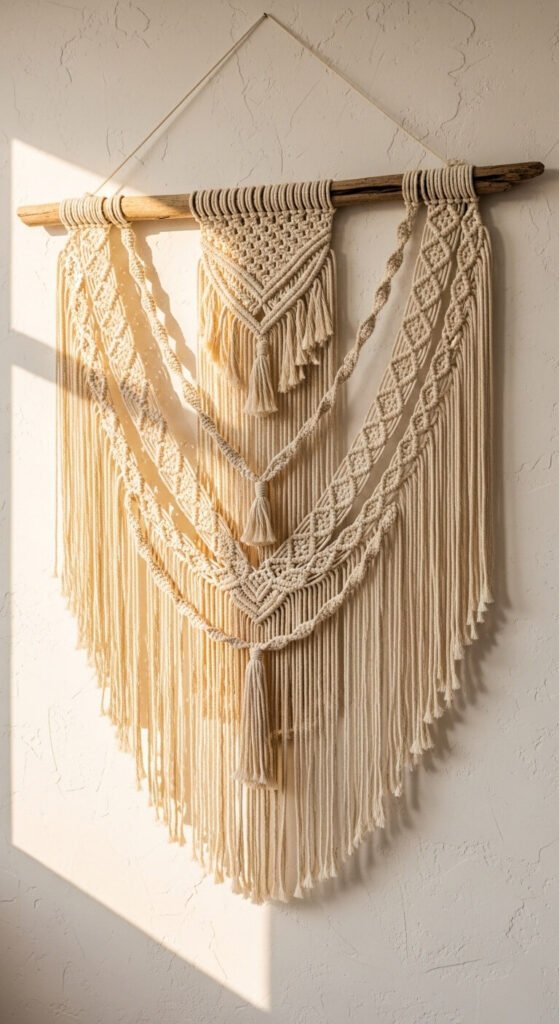
Macramé uses no electricity and no machinery — just cord and hands. Natural cotton macramé cord is biodegradable and cheap: a large spool costs $10–$15. Beginner tutorials on YouTube can walk you through a simple wall hanging in an afternoon. The result is a handmade, zero-waste piece of art that would cost $80+ in a boutique. Use natural, undyed cord for the cleanest option. Hang from a branch of fallen wood collected outside.
13. Stone and Marble Candle Holders (Thrifted)
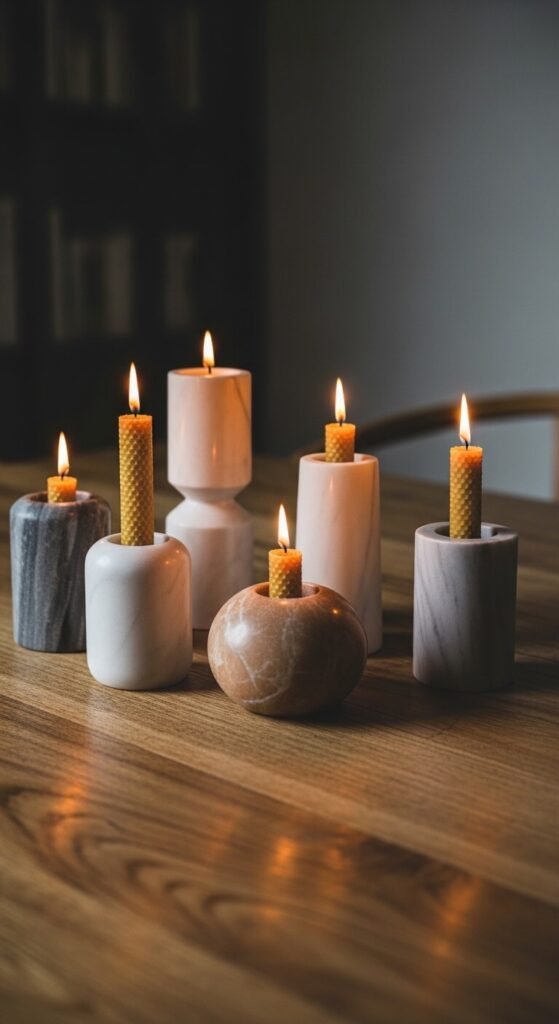
Natural stone lasts indefinitely and never ends up in a landfill the way plastic decor does. Thrifted stone candle holders are easy to find at secondhand shops for $2–$8 each. Marble, travertine, and soapstone pieces show up regularly. Clean with warm water and a drop of castile soap. Group three or five together on a dining table or mantlepiece for a collected, intentional look. No manufacturing required — just smart shopping.
14. Seed Paper Greeting Cards as Wall Decor
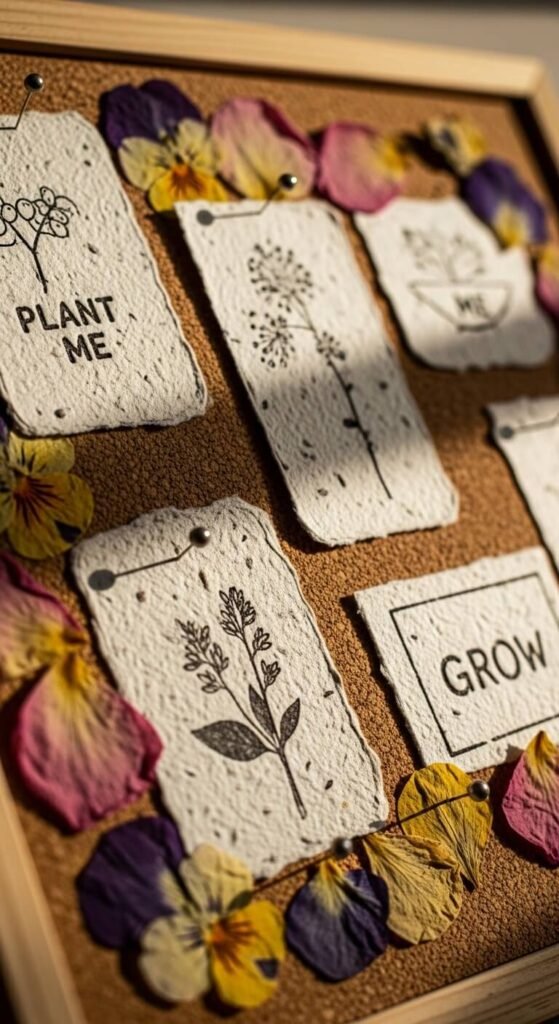
Seed paper is made from recycled materials and embedded with actual plant seeds. Seed paper cards and prints can be displayed, then planted when you’re done. Pin them to a cork board, frame them, or string them along a wall with twine. Packs of seed paper cards cost $8–$15 on Etsy. After display, soak in water and press into soil — wildflowers, herbs, or vegetables grow from the paper itself. Nothing gets thrown away.
15. Glass Vases from Thrift Stores
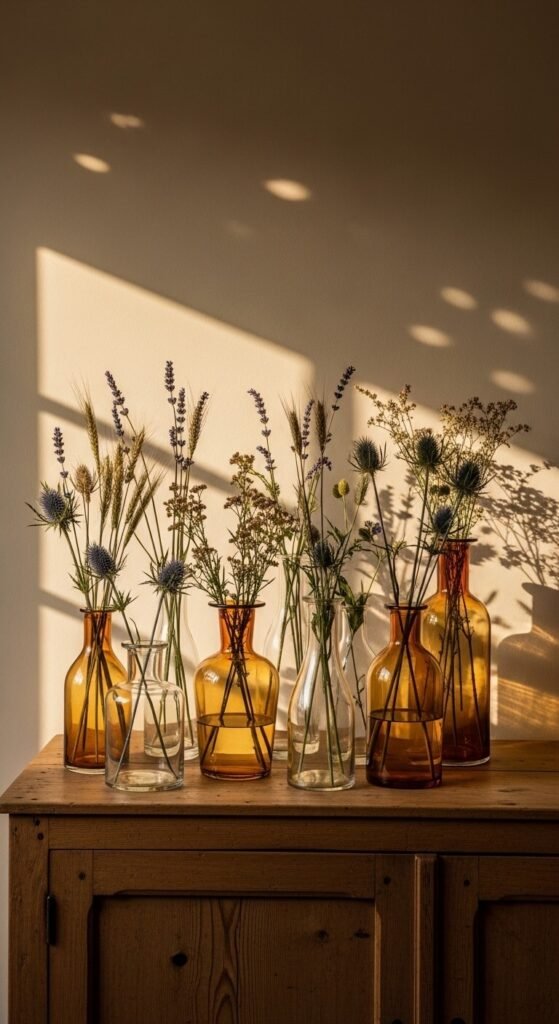
Glass is infinitely recyclable and a thrift store staple. Secondhand glass vases cost $1–$5 each and look stunning grouped in odd numbers. Mix heights, shapes, and slight color variations for an organic, curated feel. Fill with foraged branches, garden cuttings, or dried stems. Zero new manufacturing, zero shipping footprint if bought locally. Rinse with white vinegar to remove any cloudy residue and they’ll look brand new.
16. Homemade Beeswax Wrap Wall Pockets
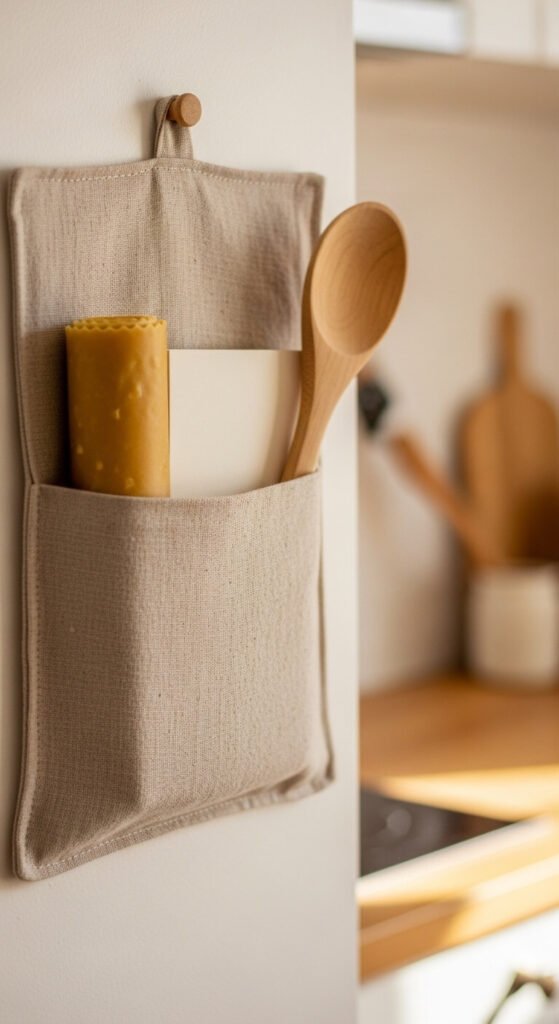
Beeswax wraps are already a sustainability hero in the kitchen — but displaying them neatly is part of making them a habit. A simple linen wall pocket holds your wraps, wooden utensils, or herbs. Sew one from an old linen pillowcase: cut, fold, stitch three sides, add a hanging loop. Total cost: $0 if using scrap fabric. Mount with a wooden dowel. It’s functional, zero-waste storage that looks intentional on any kitchen wall.
17. Upcycled Window Frame Mirrors
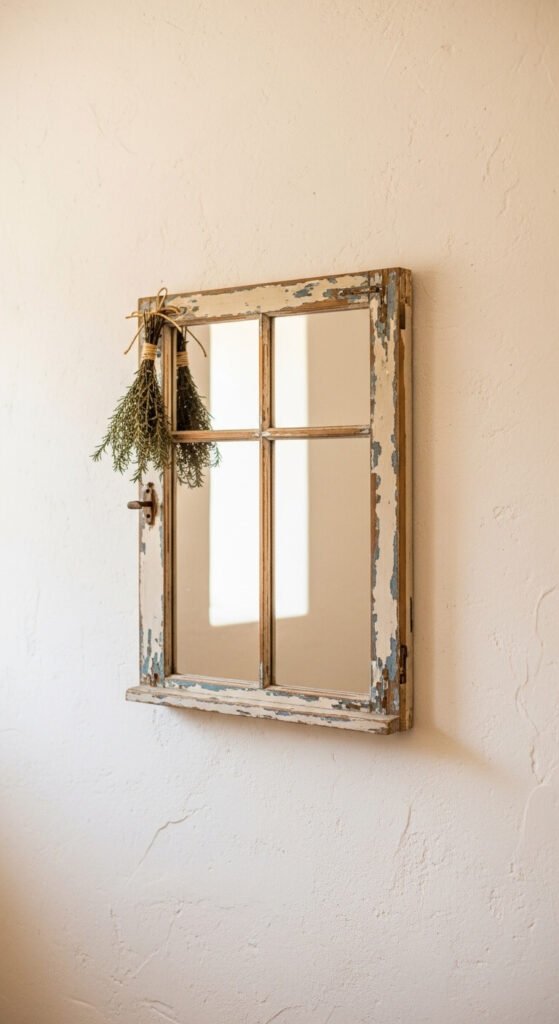
Old window frames from salvage yards or thrift stores make beautiful statement mirrors. Replace the original glass with mirror sheeting cut to size at a hardware store — usually $10–$20 for a small pane. The wooden frame stays exactly as-is, paint and all. The weathered look is the whole point. Total project cost: $15–$35. This keeps an old frame out of landfill and creates a piece with genuine history and character no store-bought mirror can match.
18. Air Plants in Recycled Container Displays
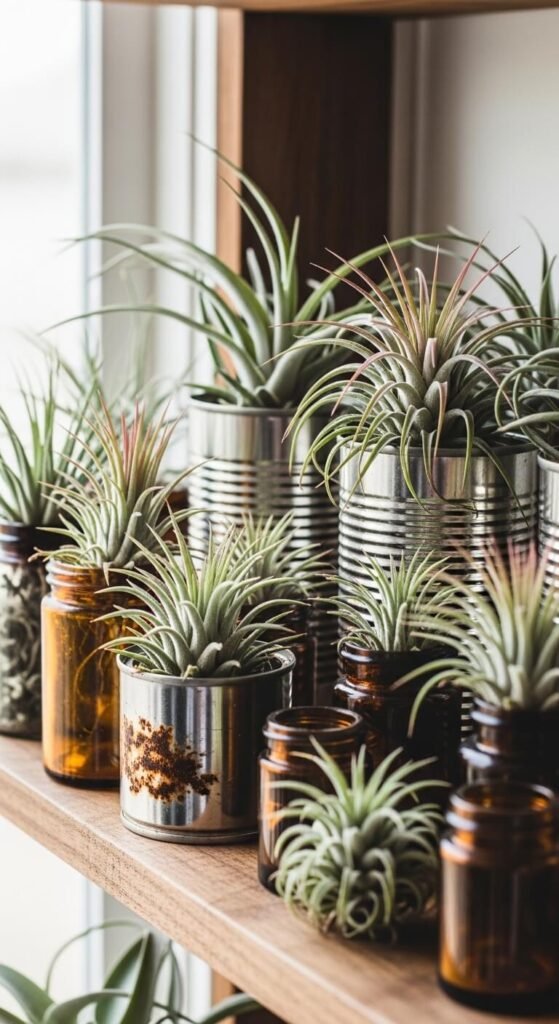
Air plants need no soil and very little water. Tillandsia displayed in repurposed containers — old tin cans, glass jars, driftwood pieces — is about as low-impact as decor gets. Air plants cost $3–$8 each at garden centers or online. Mist them once or twice a week. Use containers you already have at home: a mason jar, a tin can with rough edges sanded down, or a salvaged wooden box. No new materials needed.
19. Linen or Muslin Table Runners
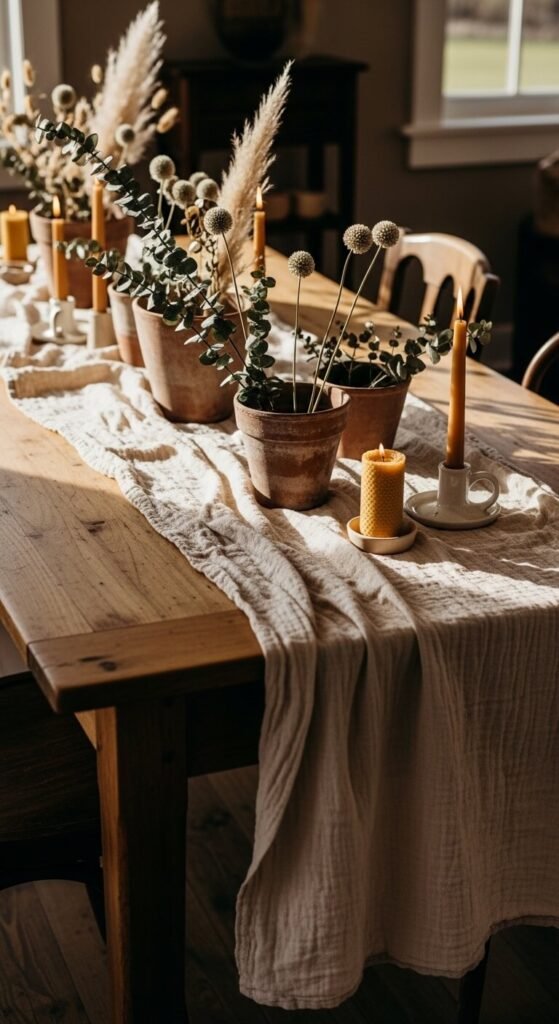
A table runner changes the whole feel of a dining space without requiring anything permanent. Undyed linen or muslin runners are the cleanest option — no synthetic dyes, no polyester. A full-length runner costs $12–$25. Or make one from a yard of fabric: no sewing needed if you use fabric scissors and a quick hem of iron-on tape. Wash in cold water and line dry. Simple, reusable, and fully compostable at end of life.
20. Handmade Clay Bowls and Dishes
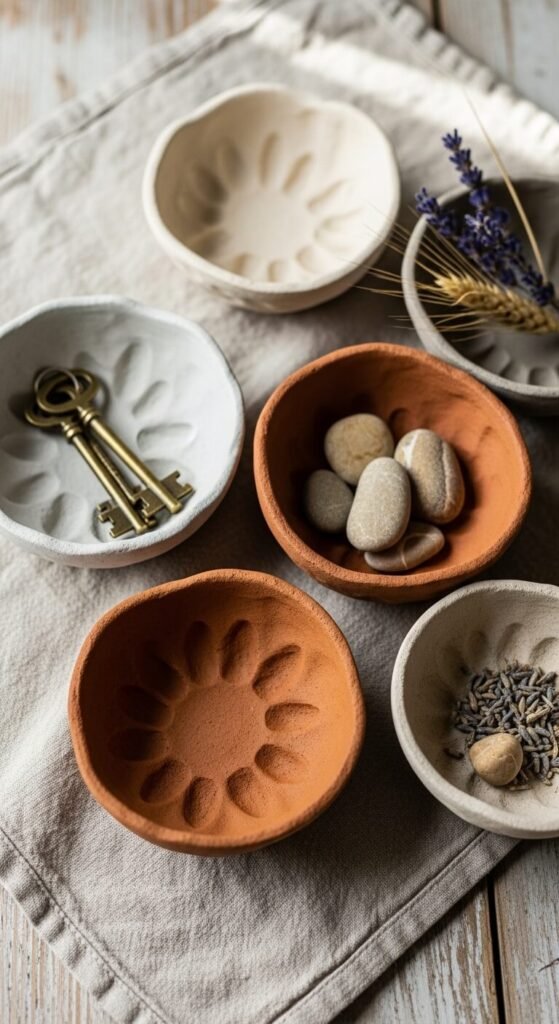
Air-dry clay is non-toxic and widely available for $5–$10 per pack. Hand-pinched clay dishes for holding jewelry, keys, or small plants are a beginner-friendly DIY. Shape, dry for 24–48 hours, then sand smooth. Paint with natural mineral pigments or leave raw. No kiln required. These make thoughtful gifts too. Every piece is slightly different, which is the point. Buy clay from an art supply store — no special equipment, no emissions.
21. Wicker and Rattan Furniture Accents
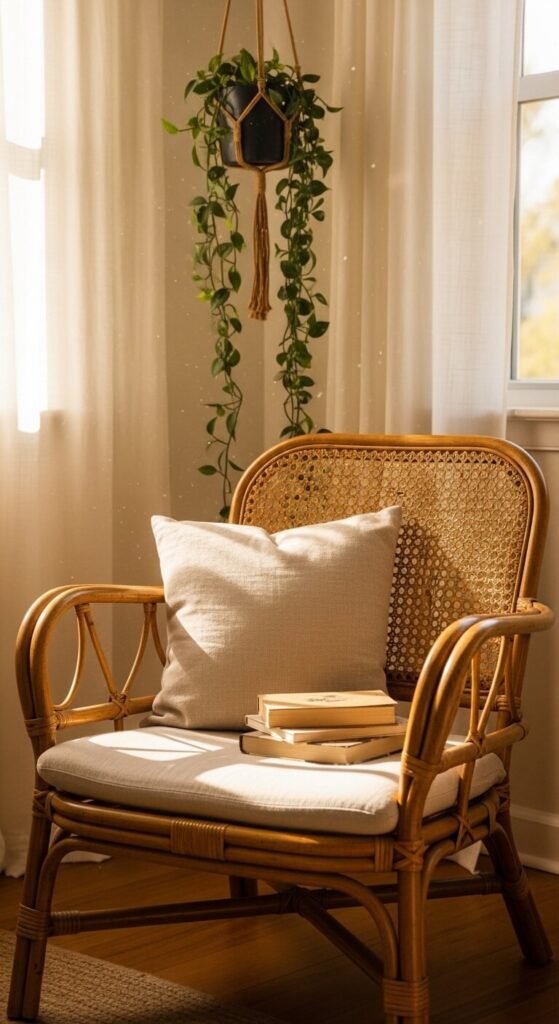
Rattan and wicker are fast-growing plants harvested without killing the root system. A secondhand rattan chair or side table adds texture and warmth without the footprint of new furniture. Check Facebook Marketplace — rattan pieces are always available and often free. Clean with a damp cloth and dry in the sun. Treat any cracks with a thin coat of linseed oil. These pieces last decades with minimal care and look better as they age.
22. Foraged Branch Curtain Rods
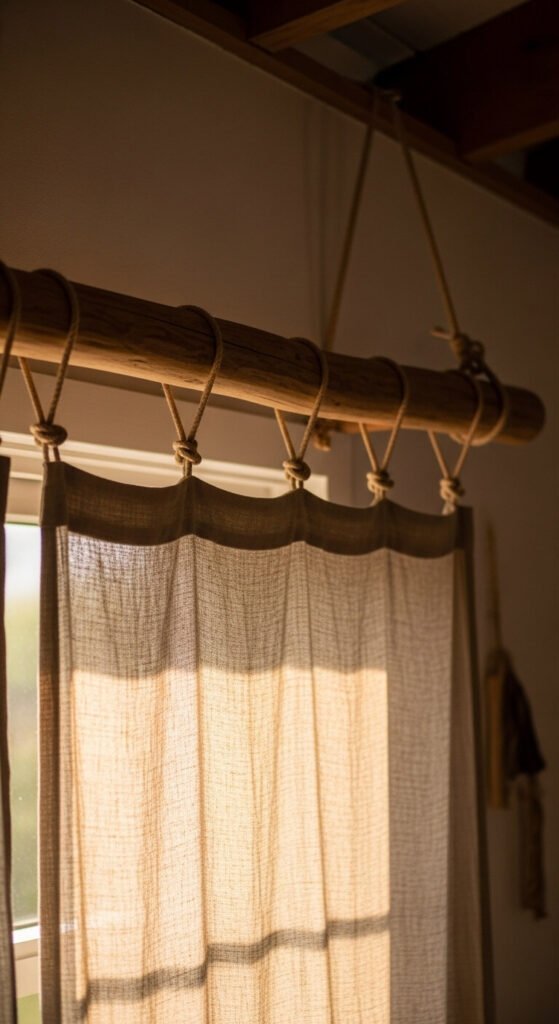
A fallen branch from your yard or a local park can replace a plastic or metal curtain rod completely. Sand the branch smooth, let it dry for a week, then seal with beeswax or linseed oil. Rest it on two cup hooks screwed into the wall — hardware costs $3–$5 total. Hang curtains with leather strips, twine loops, or simple ring clips. This is genuinely free decor that looks deliberate and earthy. Replace only if the branch warps or breaks.
23. Recycled Glass Tile Trivets and Coasters
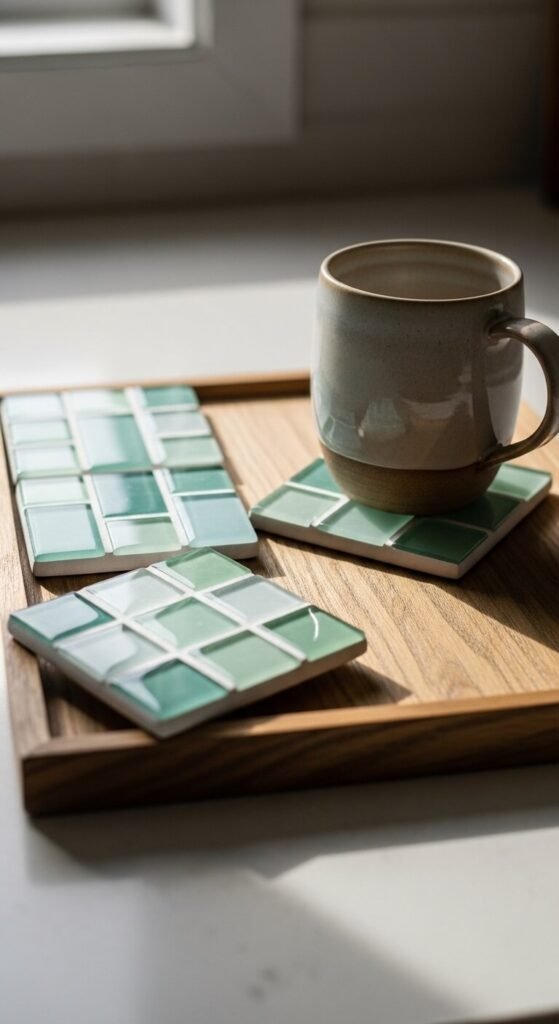
Recycled glass tile is made from post-consumer glass — old bottles, windows, and dishes. Recycled glass tile trivets and coasters are available from eco-focused Etsy sellers for $8–$20 a set. Or make your own: buy a pack of glass mosaic tiles, arrange on a cork backing with non-toxic adhesive, and grout with a natural sanded grout. A full coaster set costs under $15 in materials. Durable, heat-safe, and made from something that would have been wasted.
24. Pressed Herb and Flower Frames
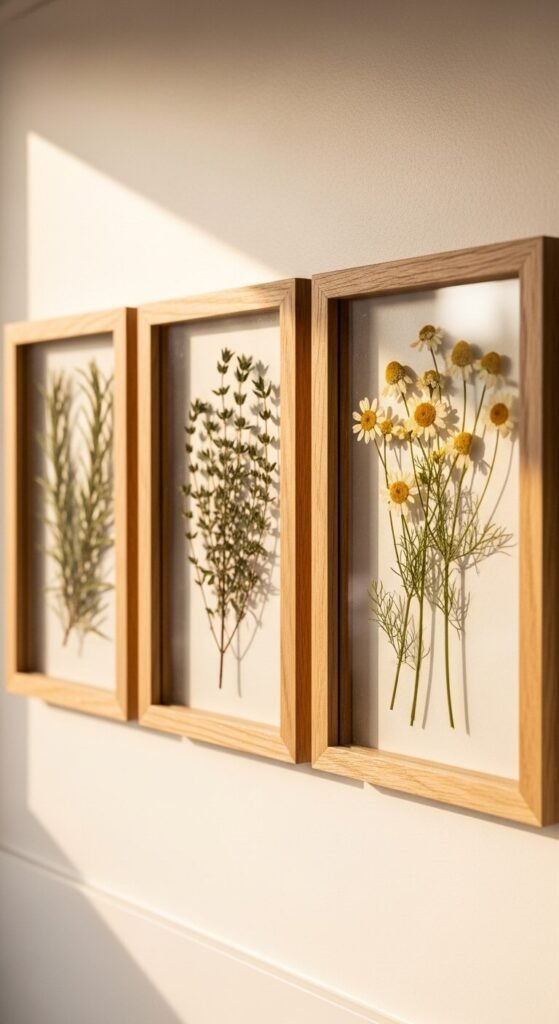
Pressing herbs and flowers from your own garden costs essentially nothing. Lay fresh cuttings between the pages of a heavy book for 2–3 weeks, then arrange under glass in a simple wooden frame. Buy frames from the dollar store or thrift store — $1–$3 each. Group by herb type or mix botanicals for a collected look. These work especially well in kitchens and bathrooms. Rotate them seasonally with whatever you’re growing. Zero waste, totally personal.
25. Natural Rope and Driftwood Mobiles
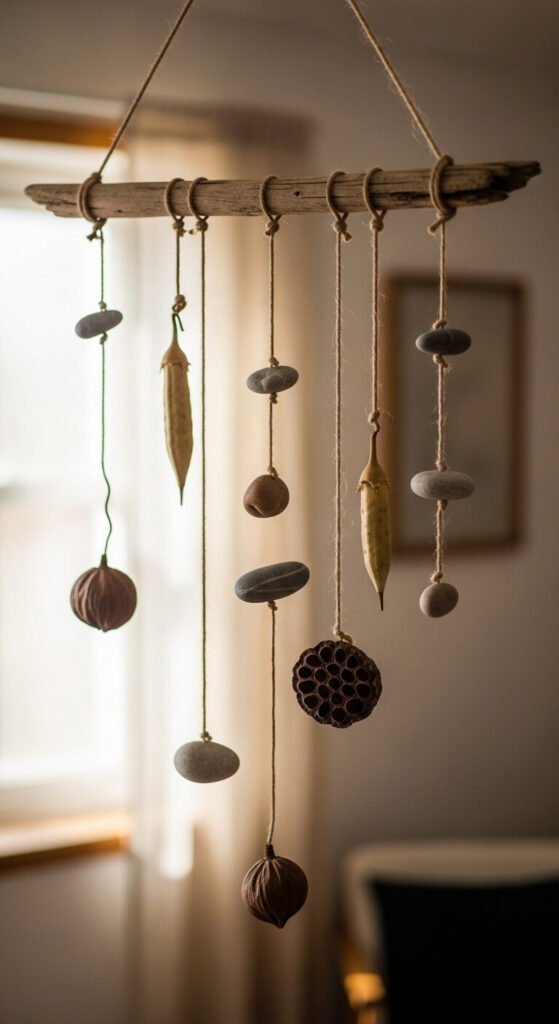
Mobiles made from foraged materials bring movement and calm to any room. Collect driftwood, smooth stones, seed pods, or dried pinecones and hang them from a branch using natural jute twine. No cost involved if you gather materials outside. For a more polished look, source a smooth piece of driftwood from an online seller for $5–$10. Hang from a ceiling hook using a length of rope. It catches light and air movement in a way no static decor can.
26. Old Ladder Shelf Display
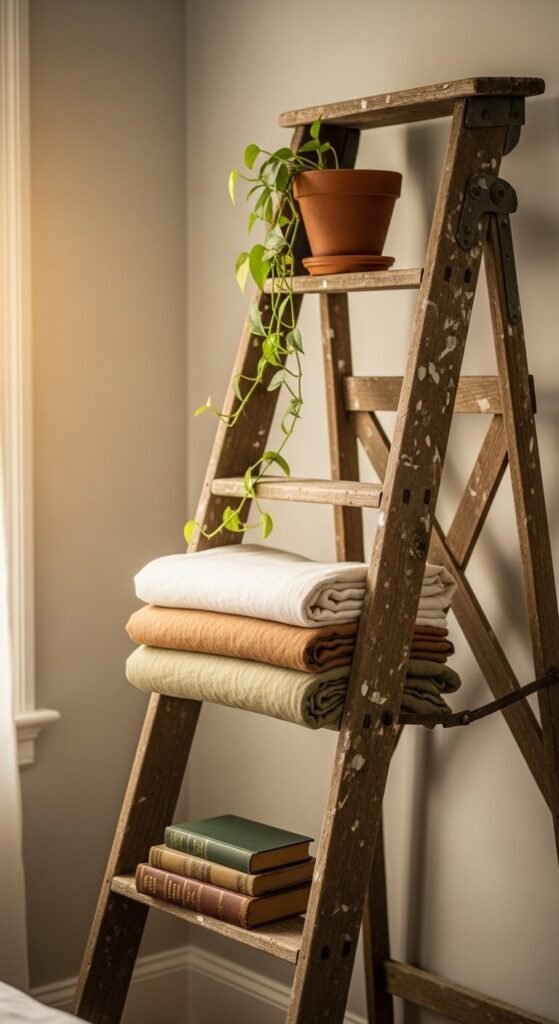
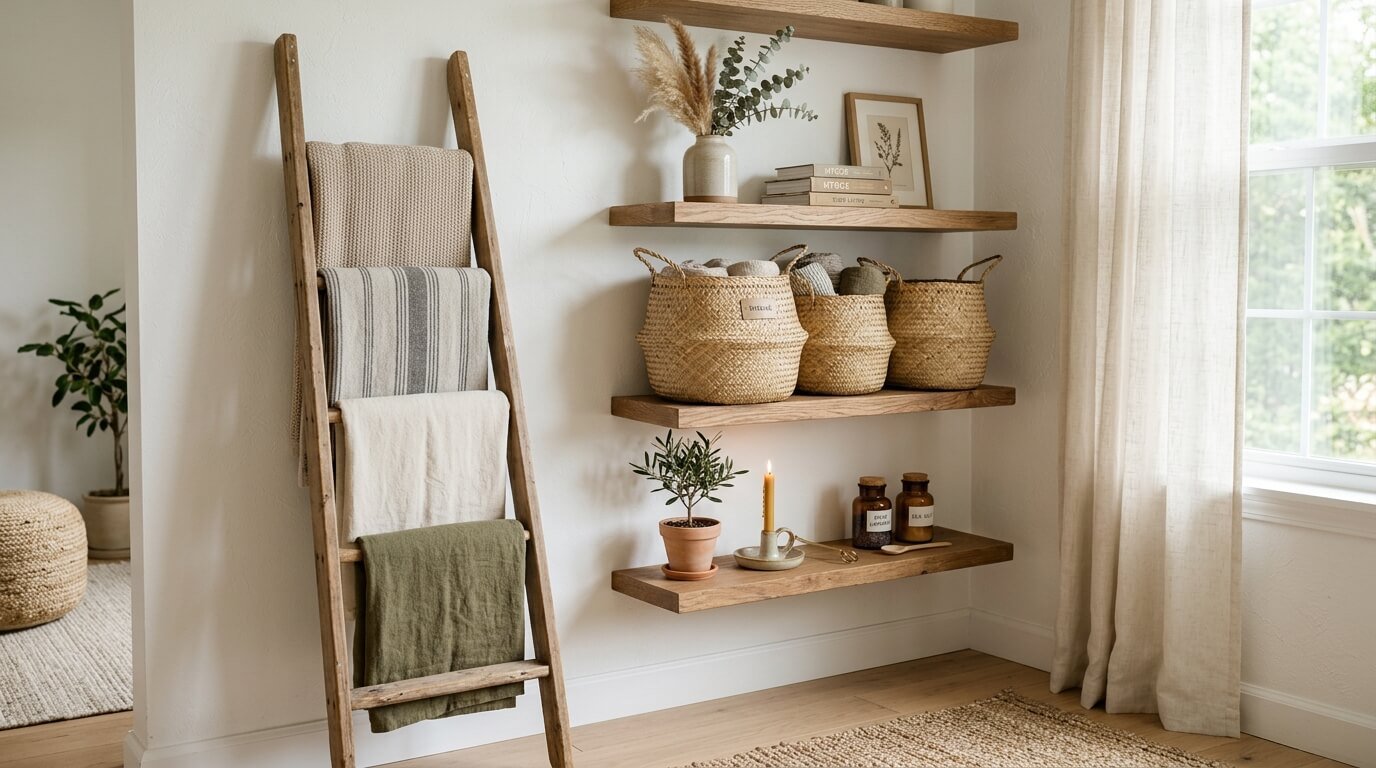
An old wooden ladder — found curbside, at a thrift store, or in your own garage — becomes a fully functional shelf with zero modification. Lean it against a wall and drape throws, hang plants, or stack books across the rungs. A thrift store ladder costs $5–$20. Sand rough edges and seal with beeswax if needed. It holds a lot of visual weight in a room and every single piece kept out of a landfill. Practical storage disguised as intentional decor.
27. Handwoven Grass or Seagrass Placemats
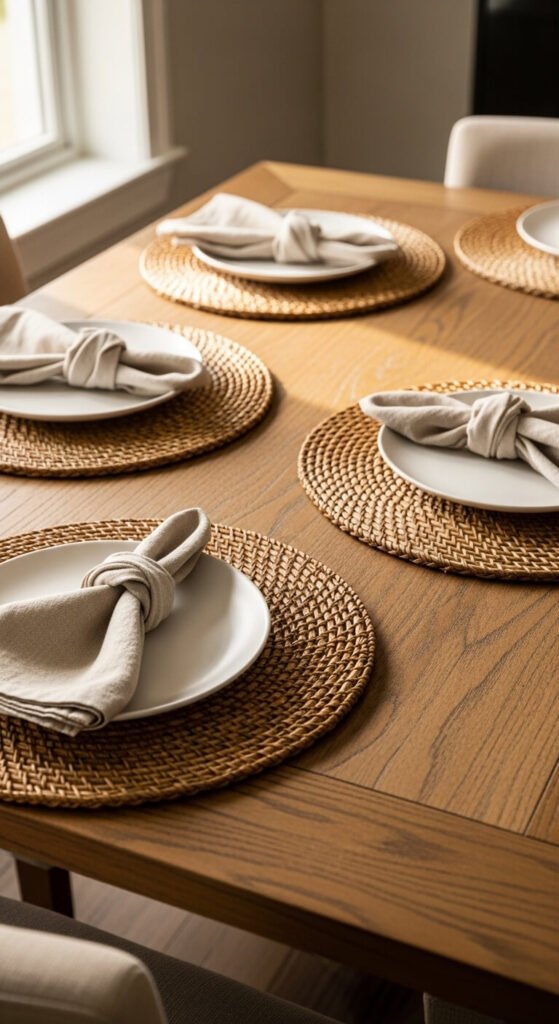
Seagrass and hand-woven grass mats are made from rapidly renewable aquatic plants. Seagrass placemats cost $2–$5 each at home goods stores and online. They add texture and warmth to a table setting without synthetic materials. Spot clean with a damp cloth. When they eventually wear out, they compost naturally. Buying a set of four or six is a small investment that replaces vinyl or plastic placemats that sit in a landfill for centuries.
28. Solar-Powered String Lights
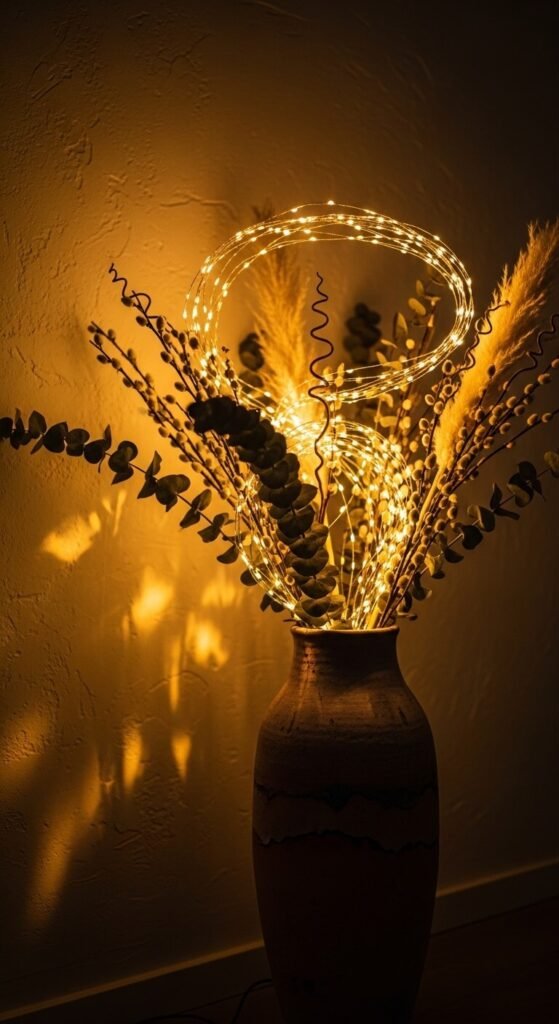
String lights add instant atmosphere — and solar-powered ones add zero to your electricity bill. Solar string lights charge during the day and run automatically at night. A 33-foot strand costs $10–$20 online. Place the solar panel on a windowsill or run the cord outside during the day. Wind through a vase of dried branches, hang along a shelf, or drape across a headboard. The same cozy look as plug-in lights, with no ongoing energy draw.
Conclusion
Making your home more sustainable doesn’t require a full renovation or a big budget. It starts with one swap: a secondhand chair instead of a new one, a jute rug instead of synthetic, a beeswax candle instead of paraffin. Each of the 28 picks on this list represents a small, doable action that adds up over time. The most eco-friendly piece of decor is always the one you already have — but when you do buy or make something new, let it matter. Choose materials that come from the earth and can return to it. Your home will feel more grounded for it, and so will you.