30 Fresh Contemporary Decor Trends That Define Now

Disclosure: As an Amazon Associate we earn from qualifying purchases. Some links on this page may be affiliate links — if you click through and make a purchase, we may receive a small commission at no extra cost to you.
Contemporary decor is not a single style — it is a living conversation between what design looks like right now and where it is heading next. Today that conversation is about warmth over sterility, texture over flatness, sustainability over disposability, and personal expression over showroom perfection. The best contemporary spaces feel collected and considered rather than decorated by catalog. They layer natural materials, warm neutrals, and sculptural objects in ways that feel current without chasing trends that date fast. Whether you are decorating a new space from scratch or refreshing what you already have, every item on this list reflects where contemporary design is genuinely focused right now.
1. Boucle Upholstery Everywhere
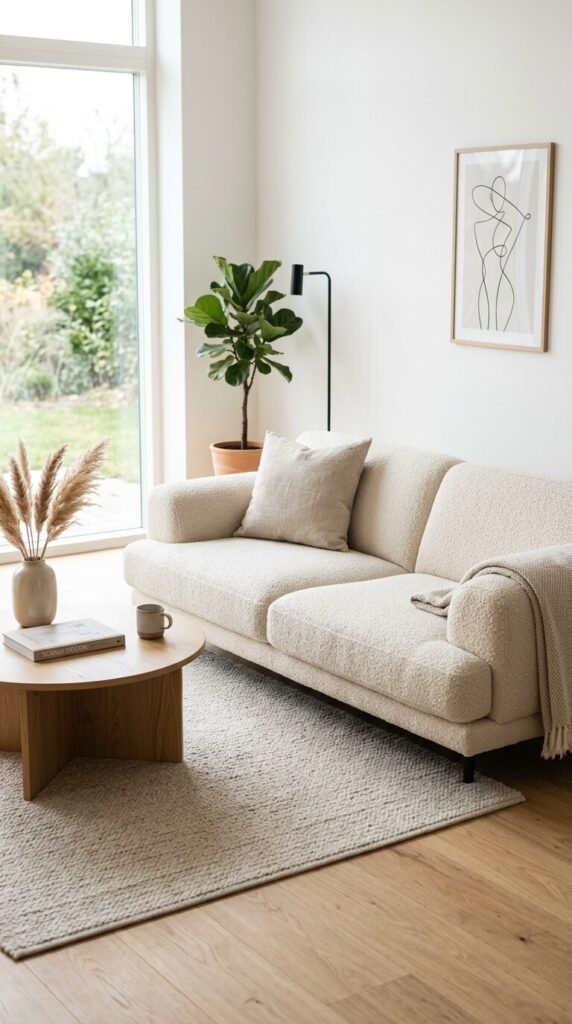
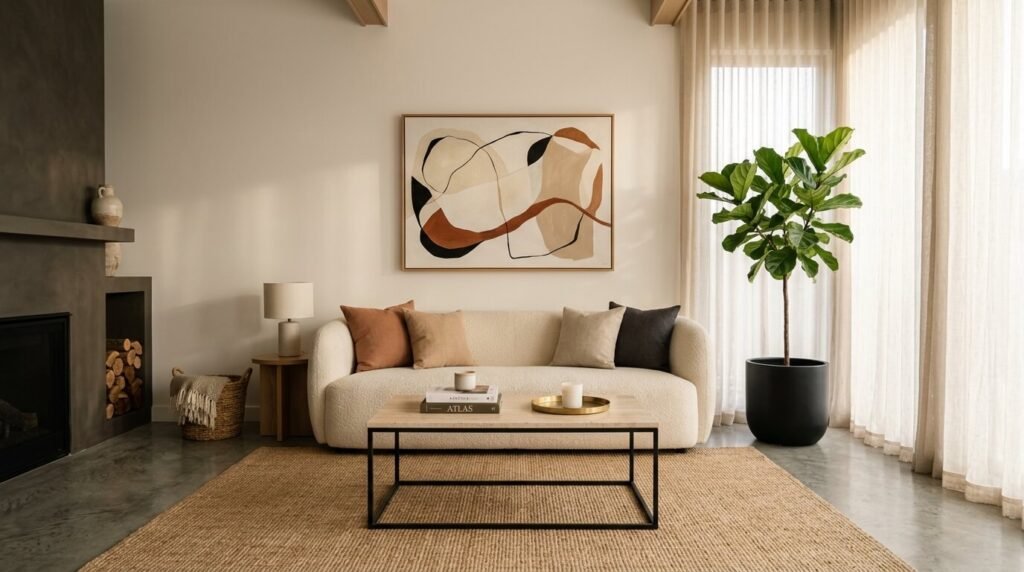
Boucle — a looped, textured fabric with a pebbly, almost cloud-like surface — is the defining upholstery material of contemporary interiors right now. It is warm, tactile, and works in cream, oat, and ivory tones that suit almost any color scheme. New boucle sofas cost $600–$2,000 at retailers like Article and CB2. Boucle accent chairs start at $200–$600. For a budget approach, buy a boucle throw blanket for $30–$60 and drape over an existing sofa to test the texture in your space before committing. The fabric photographs beautifully and adds visual warmth that smooth fabrics simply cannot match.
2. Curved and Organic Furniture Silhouettes
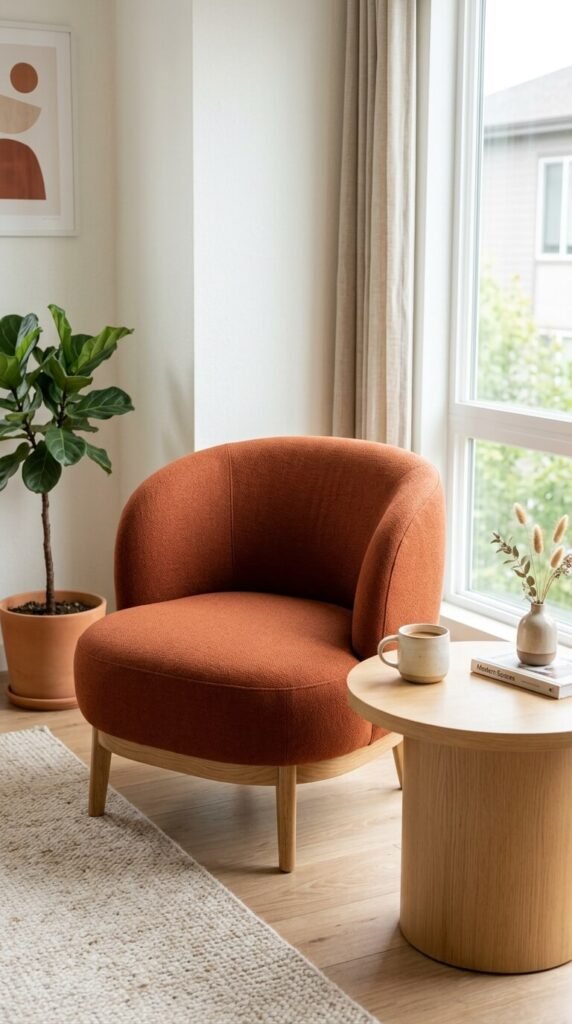
Contemporary furniture has moved decisively away from sharp corners. Curved sofas, round chairs, arched doorways, and oval tables are defining the look right now. The rounded forms feel warmer and more welcoming than angular pieces. New curved sofas cost $800–$2,500. Curved accent chairs start at $150–$500. If a full furniture replacement is not feasible, swap a rectangular coffee table for a round or oval one — a simple change that immediately softens the room. IKEA’s KOARP and JENNYLUND chairs offer curved forms at under $200. One curved piece in a room full of straight lines shifts the entire mood.
3. Warm Neutral Color Palettes
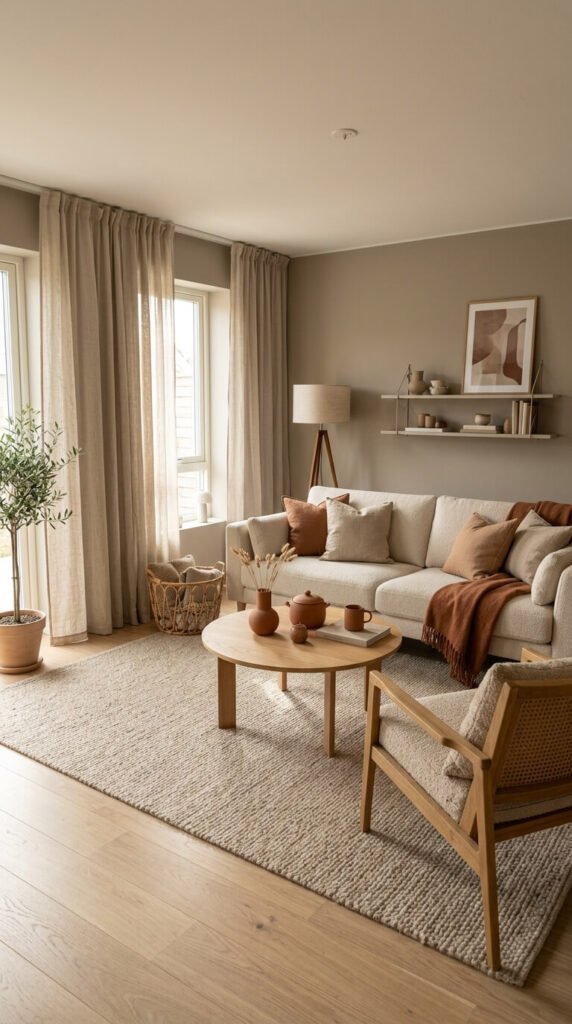
Contemporary color has shifted from cool gray to warm neutrals — greige, warm white, sand, oat, and terracotta. These tones feel more human and livable than the stark whites and cool grays of the previous decade. Benjamin Moore’s Pale Oak, Sherwin-Williams’ Accessible Beige, and Farrow & Ball’s Elephant’s Breath are all widely cited as definitive contemporary neutrals. A full room repaint costs $50–$150 in materials. Start with the largest wall in your living room or bedroom. A single warm neutral wall color immediately changes how every piece of furniture and accessory in the room reads.
4. Travertine and Stone Surfaces
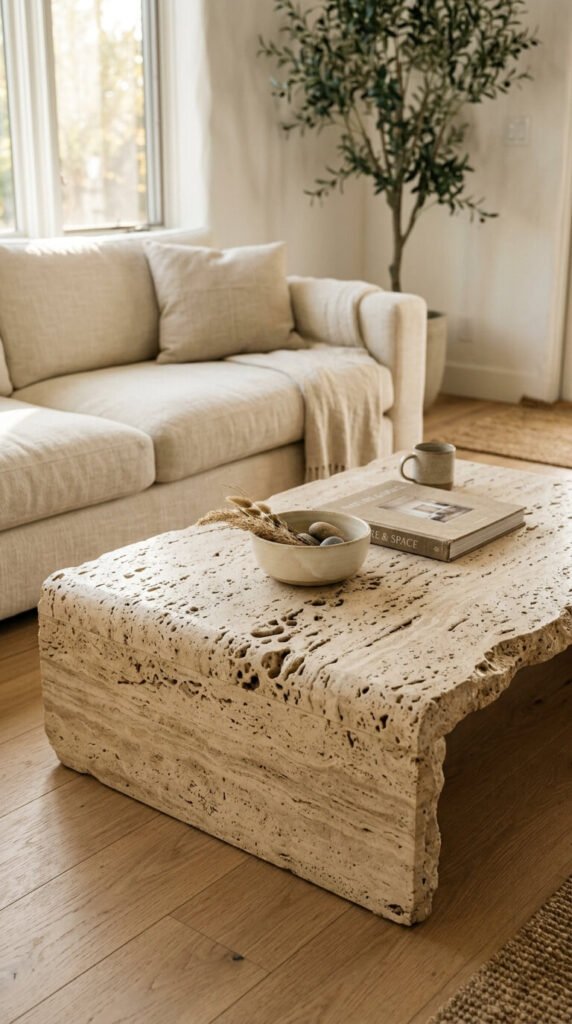
Travertine — the warm, pitted, creamy Italian stone — has returned as the stone of the moment in contemporary interiors. Coffee tables, side tables, bathroom counters, and decorative trays in travertine are everywhere. New travertine coffee tables cost $300–$1,200. Travertine coasters, trays, and small decorative objects cost $20–$80 at HomeGoods and online retailers. For a DIY approach, buy a travertine tile from a home improvement store for $5–$15 and use it as a coffee table tray or riser. The natural variation in the stone means every piece looks different, giving travertine accessories a genuinely bespoke quality.
5. Bouclé and Textured Throw Pillows
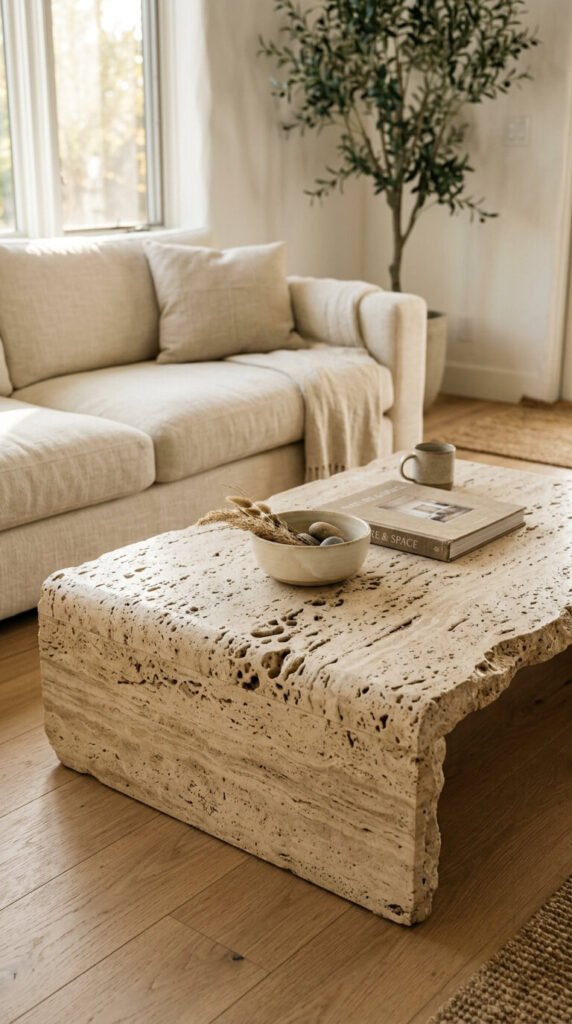
Pillow texture — not just color — is driving the contemporary soft furnishing conversation. Boucle, chunky ribbed knit, woven cotton, and hammered velvet in warm tones create a layered, tactile surface on any sofa or bed. A set of four textured throw pillows costs $60–$150 at H&M Home, Target, and CB2. Mix three textures on a sofa rather than matching all the same fabric. Keep the color palette tight — warm neutrals with one accent tone. Swap pillow covers seasonally for $15–$30 per cover rather than replacing entire pillows. The fastest and most affordable way to update any room.
6. Japandi Aesthetic
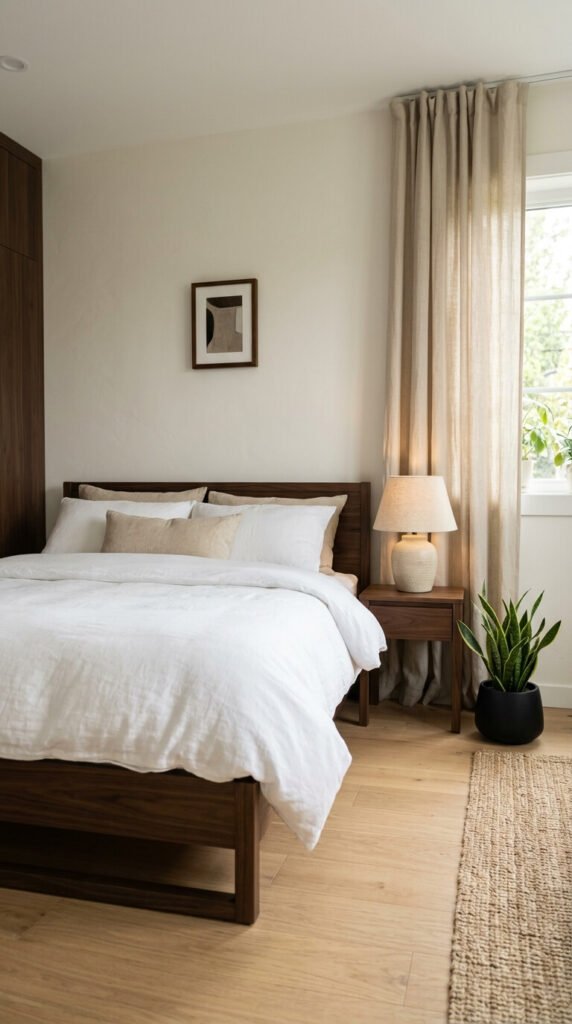
Japandi — the marriage of Japanese minimalism and Scandinavian warmth — defines a specific contemporary aesthetic: low furniture, natural materials, warm neutrals, and deliberate negative space. Every object is chosen carefully. Nothing is purely decorative. The palette is warm white, warm gray, natural wood, and matte black. IKEA’s IDASEN and HEMNES ranges reflect this aesthetic at affordable price points. Buy one low-profile walnut-finish piece — a bed frame, a side table, a shelf — and arrange it with fewer objects than feels comfortable. The restraint is the design. Japandi rewards editing more than adding.
7. Statement Arched Mirrors
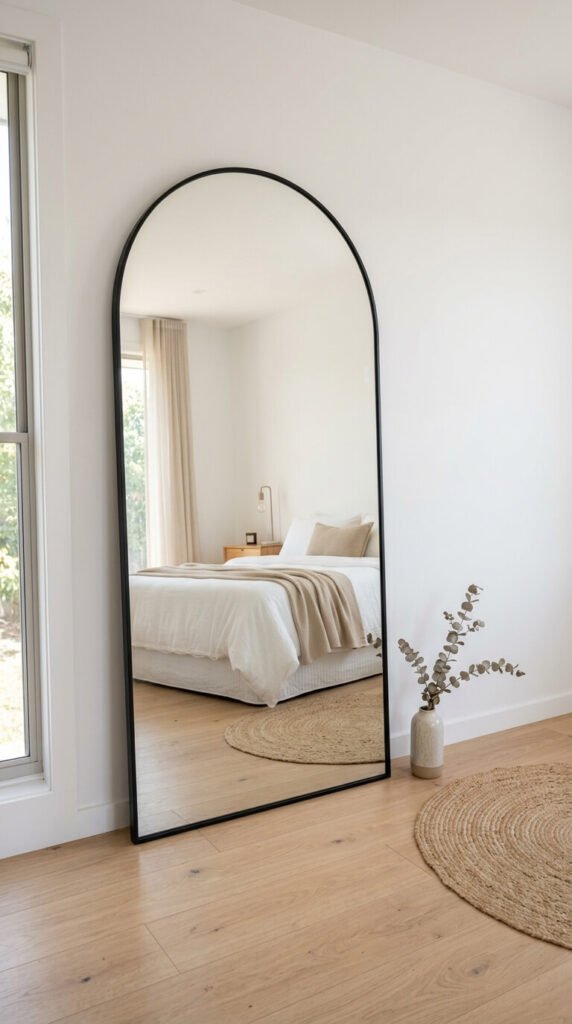
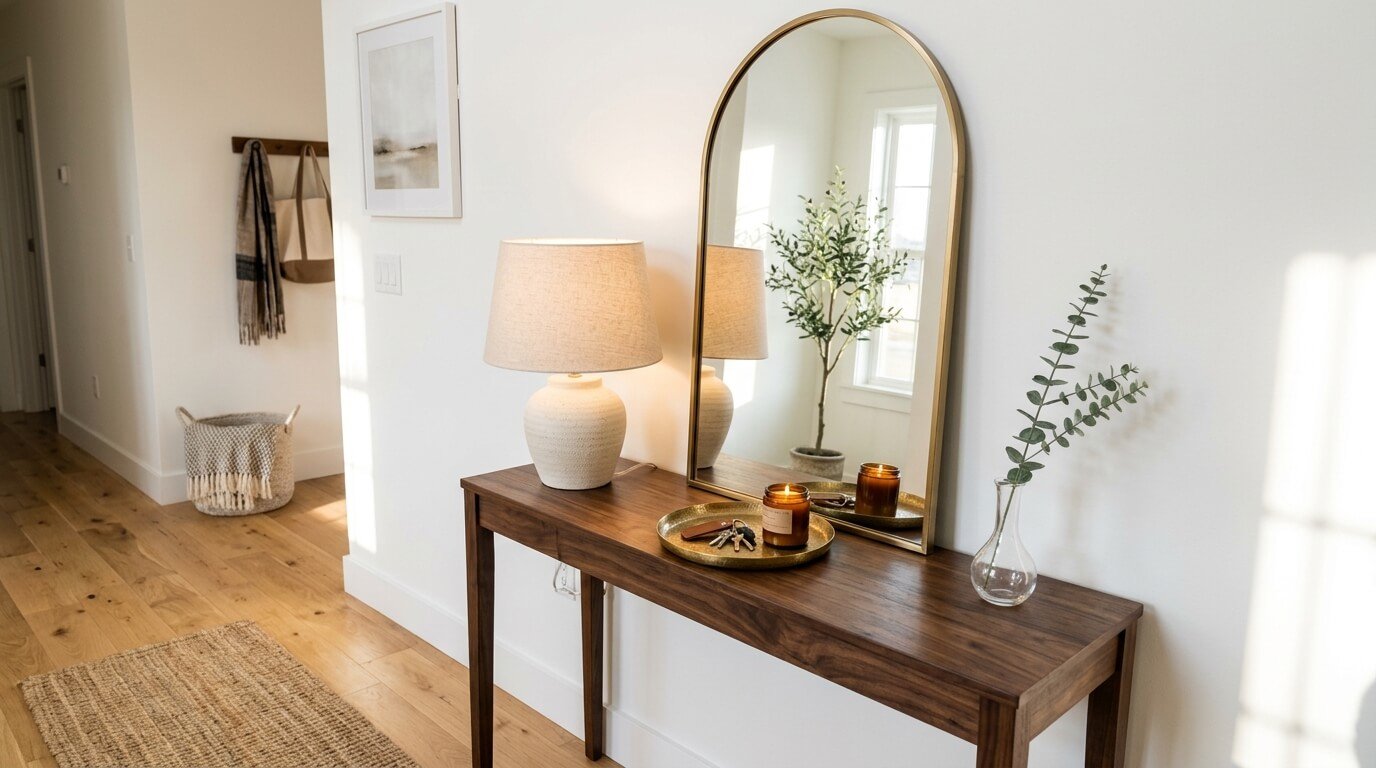
An arched mirror — a full-length or oversized mirror with a rounded top and thin metal frame — is the single most impactful wall accessory in contemporary interiors right now. It adds height, reflects light, and creates an architectural focal point on any wall. New arched mirrors in black or brass frames cost $80–$400 at IKEA, Target, and most online furniture retailers. Lean it against a wall rather than mounting for an easier, renter-friendly approach. Place in a bedroom, hallway, or living room corner. The arch shape softens a room of straight lines and works in almost any contemporary interior.
8. Fluted and Ribbed Surfaces
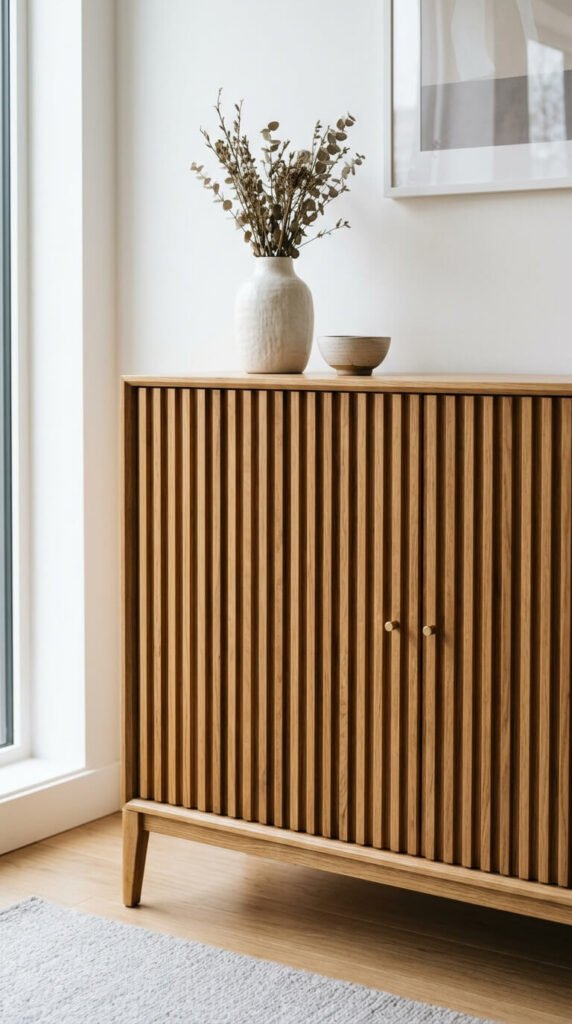
Fluting — vertical parallel grooves carved or routed into a surface — is showing up on cabinet doors, vases, table legs, wall paneling, and headboards across contemporary interiors. The shadow line created by each groove adds depth and texture without pattern or color. IKEA’s KALLAX and BILLY units can be fitted with aftermarket fluted door inserts for $50–$150 from Etsy shops. Fluted ceramic vases cost $20–$60 at most home goods stores. A fluted cabinet front or panel detail does significant visual work in a minimal room. It turns a flat surface into something that reads as thoughtfully designed.
9. Linen and Natural Fiber Curtains
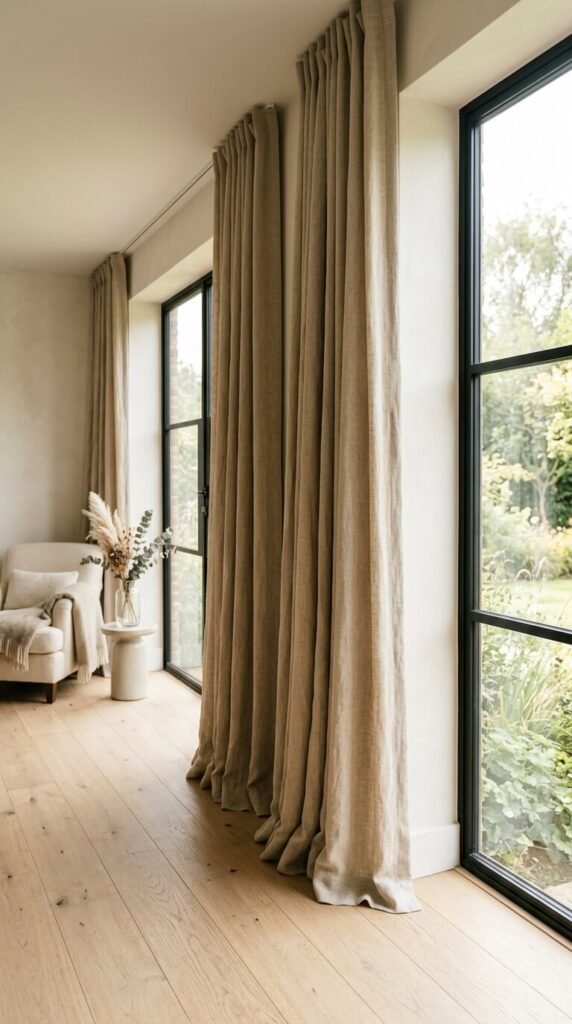
Natural linen curtains hung floor-to-ceiling are the contemporary window treatment. The key details: hang the rod as close to the ceiling as possible, let the curtains touch or pool slightly on the floor, and use a relaxed, unlined linen in warm oat or natural cream. IKEA’s DYTÅG and GJERTRUD linen curtains cost $25–$60 per pair. Etsy linen curtain panels in custom lengths cost $60–$120 per panel. The soft movement of linen in natural light creates an atmosphere that rigid, synthetic drapes cannot replicate. This single change transforms how warm and considered a room feels during the day.
10. Indoor Statement Plants
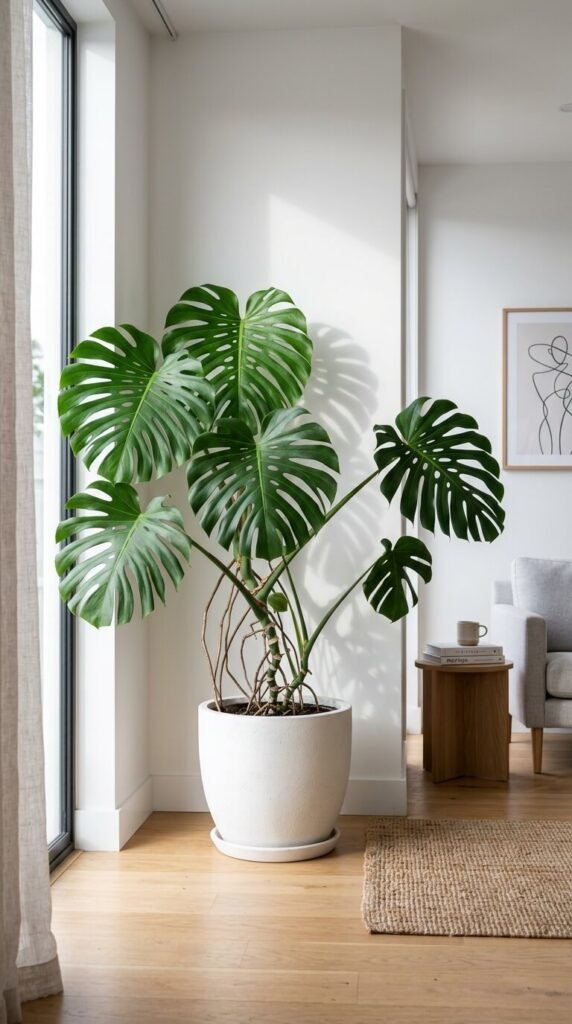
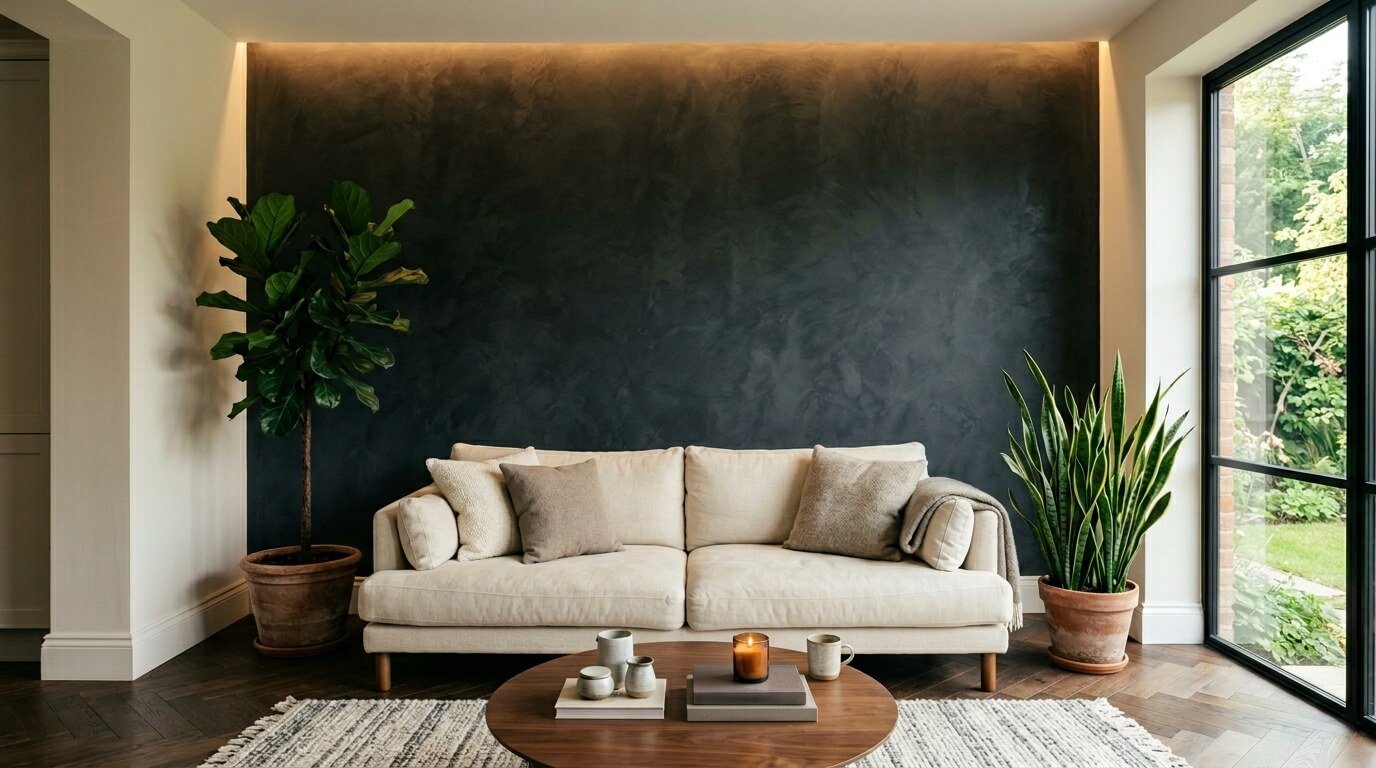
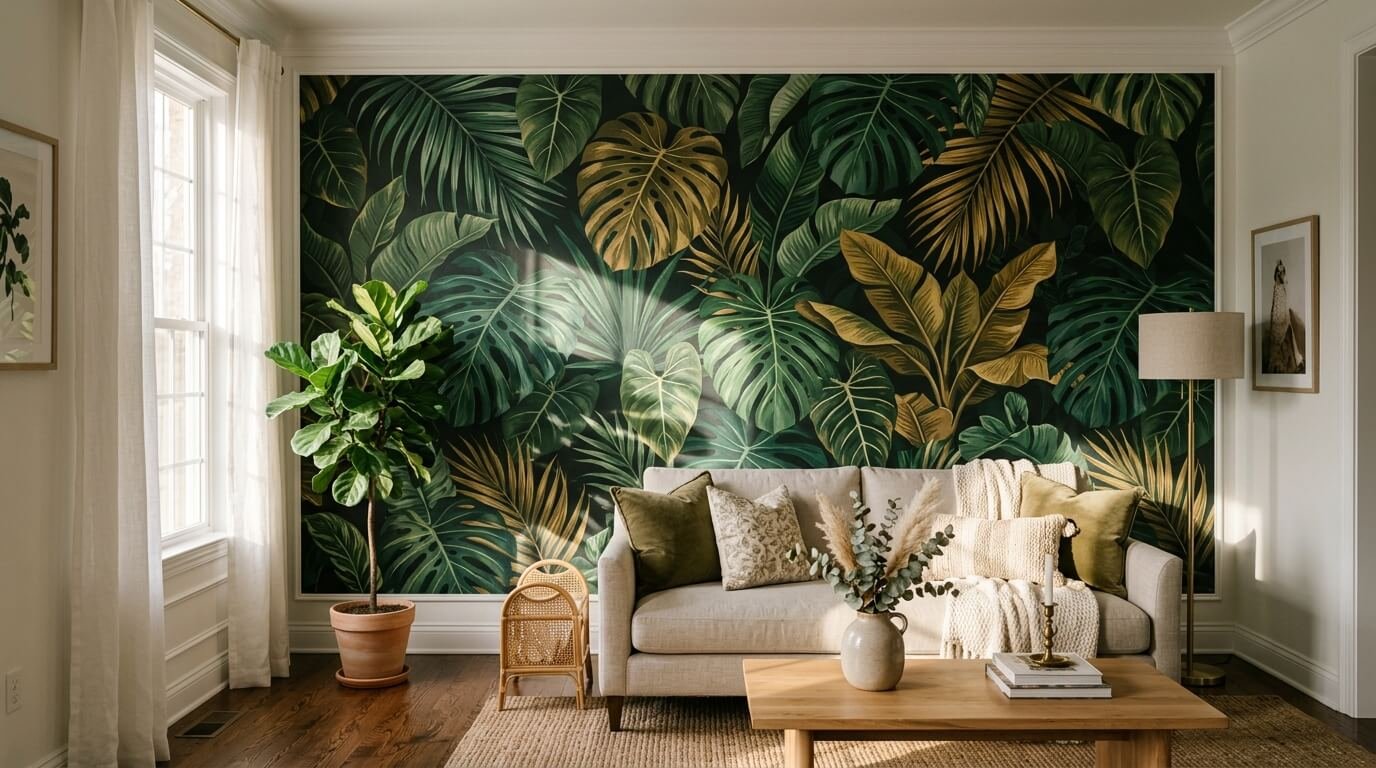
Large, architecturally shaped indoor plants — monsteras, fiddle leaf figs, rubber plants, and olive trees — are structural contributors to a contemporary room rather than accessories. A single large plant in the right corner changes the entire feel of a space. Mature monsteras and fiddle leaf figs cost $30–$120 at nurseries and garden centers. Simple matte ceramic pots in white, black, or terracotta cost $15–$50. Place the plant where it gets appropriate light and where it reads as a structural element — beside a window, in a corner, or flanking a sofa. One large plant beats ten small ones every time.
11. Limewash and Textured Wall Finishes
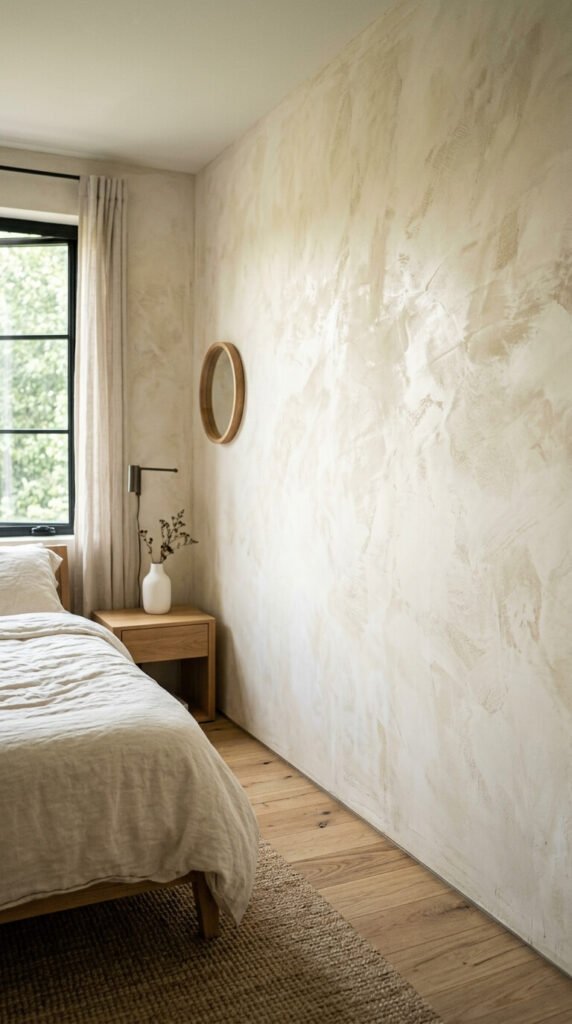
Limewash paint — a mineral-based paint that creates a layered, aged plaster look — is the most searched wall treatment in contemporary interiors right now. It adds depth and texture that flat paint cannot achieve. Brands like Portola Paints and Romabio make limewash paint for $50–$100 per gallon. One gallon covers an average room. Application is an intentional, somewhat random layering technique — no painting experience required. The finish looks expensive and hand-applied because it is. Limewash walls in warm ivory, aged white, or warm gray create an organic backdrop that makes every piece of furniture and art look better against it.
12. Mixed Metal Hardware and Fixtures
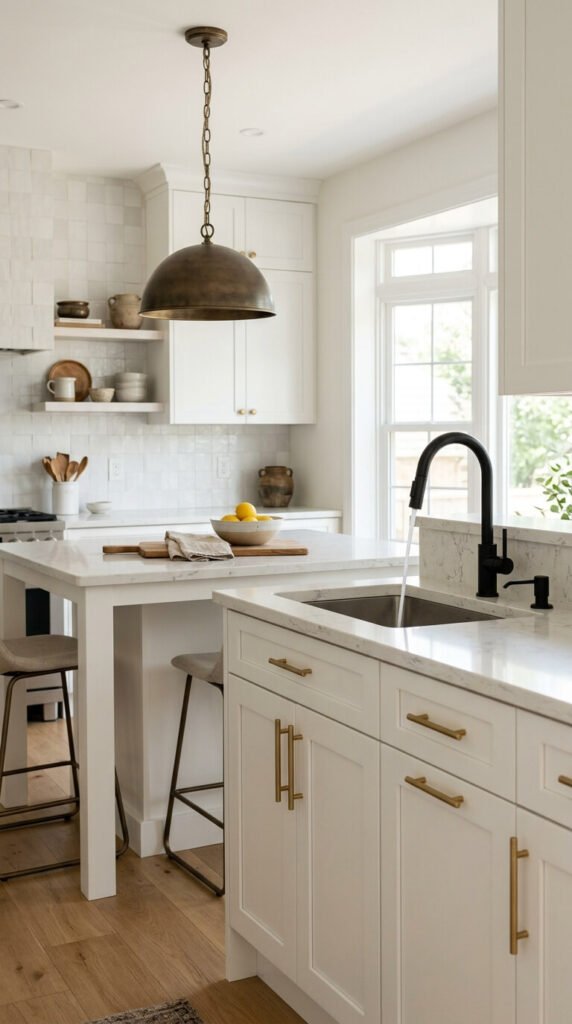
Contemporary interiors have abandoned the rule that all metals must match. Mixing two or three metal finishes — brushed brass, matte black, and aged bronze, for example — creates a more layered, collected look than matching everything. The rule is to keep the mix intentional: repeat each metal at least twice in the same room so the variety looks deliberate. New cabinet hardware in brushed brass costs $3–$12 per piece. Swap outdated chrome or nickel hardware for mixed metals across an entire kitchen for $60–$200 in total materials. This single hardware change is the most cost-effective contemporary kitchen update available.
13. Sculptural Ceramic Objects
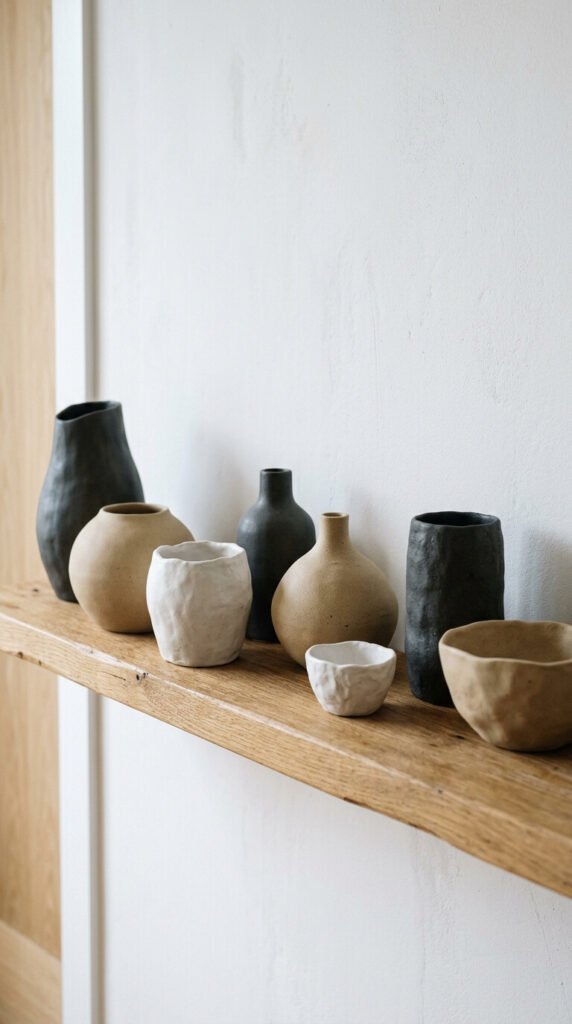
Handmade ceramic vessels — irregular forms, matte surfaces, visible throwing marks — replace the perfect symmetry of mass-produced vases in contemporary interiors. These objects feel human and individual. Independent ceramic artists sell pieces for $40–$200 on Etsy and at local craft markets. HomeGoods and Target carry organic ceramic vases for $15–$40 that capture the same aesthetic at a lower price. Group three pieces in varying heights on a shelf or coffee table. Mix textures: one smooth matte, one with a rough exterior, one with a glazed interior. The group reads as collected rather than purchased as a set.
14. Concrete and Raw Industrial Elements
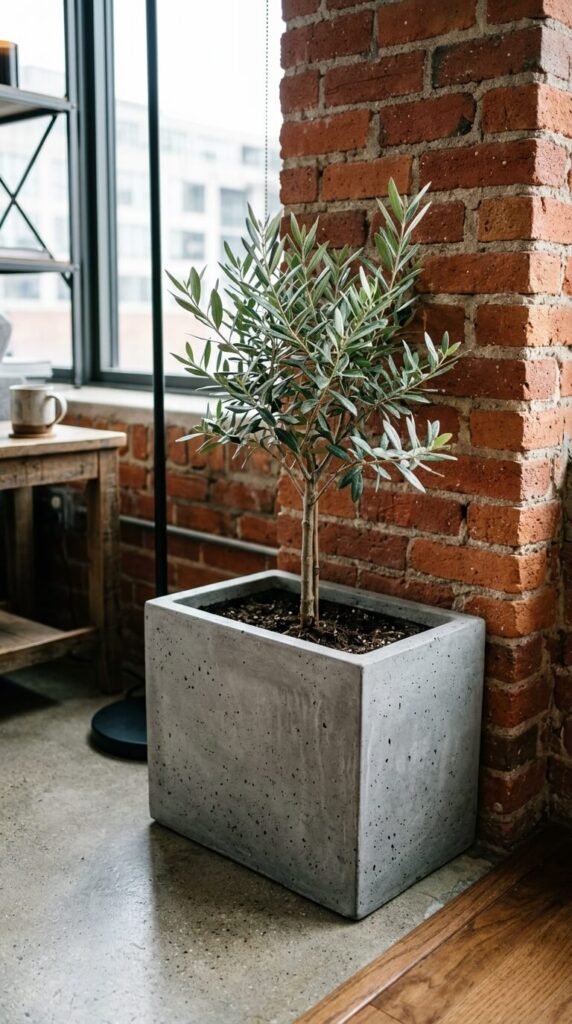
Raw concrete, exposed brick, and untreated industrial materials remain a strong current in contemporary interiors. They add texture, rawness, and contrast to softer organic elements. Concrete planters cost $20–$60. Concrete side tables and pedestals cost $80–$300. For a DIY approach, concrete paint from a hardware store costs $15–$30 and creates a convincing concrete look on any surface. Pair raw industrial elements with warm boucle or linen textiles for the contrast that makes contemporary rooms interesting. The combination of hard and soft, raw and refined, is a core visual tension in contemporary design right now.
15. Vintage and Thrifted Statement Pieces
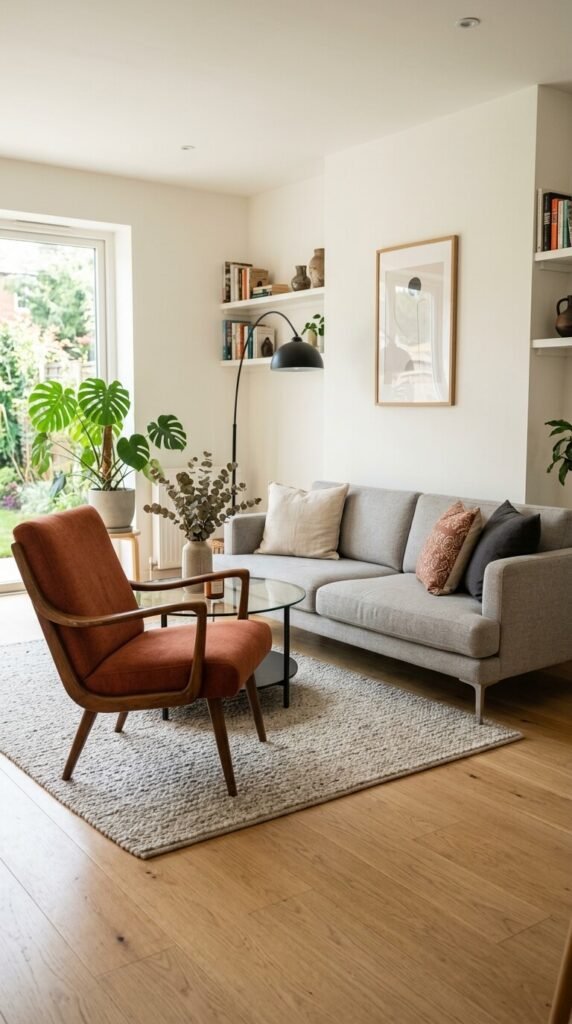
The contemporary approach to decorating actively welcomes vintage and thrifted pieces alongside new ones. A single vintage chair, a found ceramic, or a thrifted frame adds character that brand-new objects cannot replicate. Estate sales, Facebook Marketplace, and thrift stores are the sources. Reupholstering a thrifted chair costs $150–$400 and produces a custom result for a fraction of new furniture prices. The vintage piece should contrast with — not match — its surroundings. One genuinely old object in a contemporary room gives the space a sense of time and story that purely new rooms consistently lack.
16. Gallery Walls With Diverse Frame Sizes
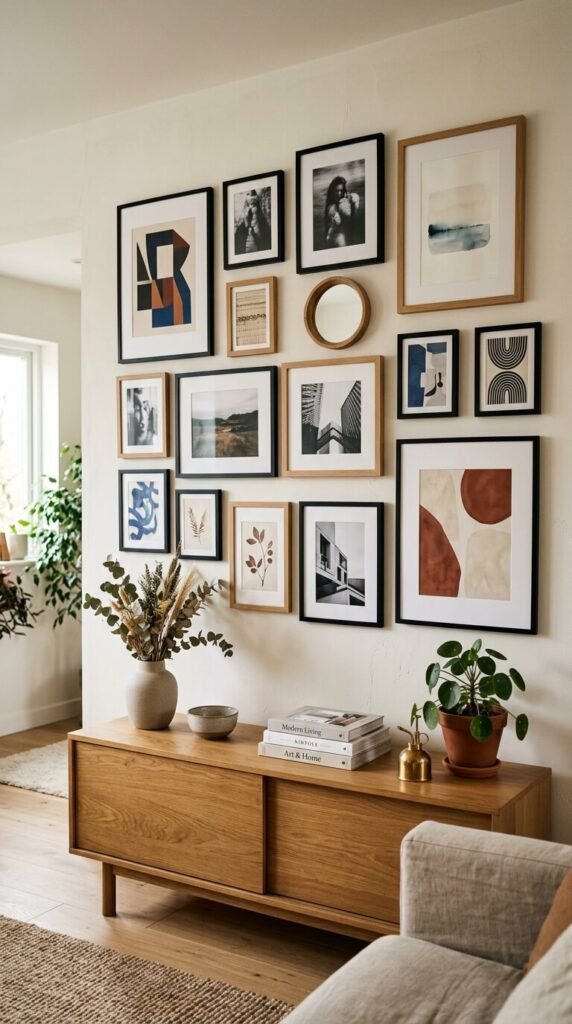
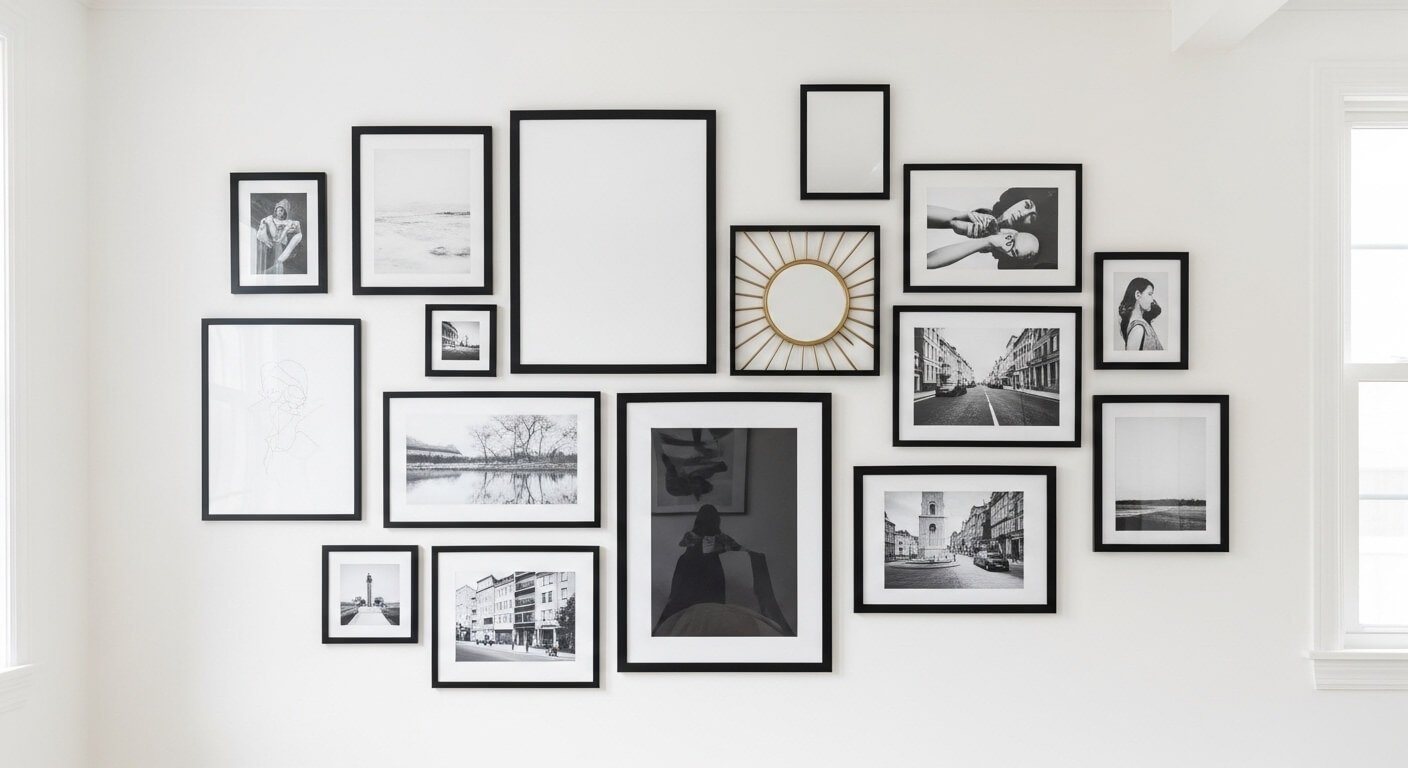
Contemporary gallery walls use mixed frame sizes, mixed frame materials, and mixed artwork types — photographs beside abstract prints beside small mirrors beside botanical illustrations. The arrangement is intentional but not rigid. Use paper templates taped to the wall to plan the layout before hanging a single nail. Frames from IKEA, thrift stores, and online markets in varying sizes cost $5–$30 each. Print digital art files at home or through an online print service for $5–$20 per print. The whole wall can cost $50–$200 total. The result is a deeply personal display that tells a visual story no single artwork can achieve alone.
17. Earthy Color Accents: Terracotta, Rust, and Olive
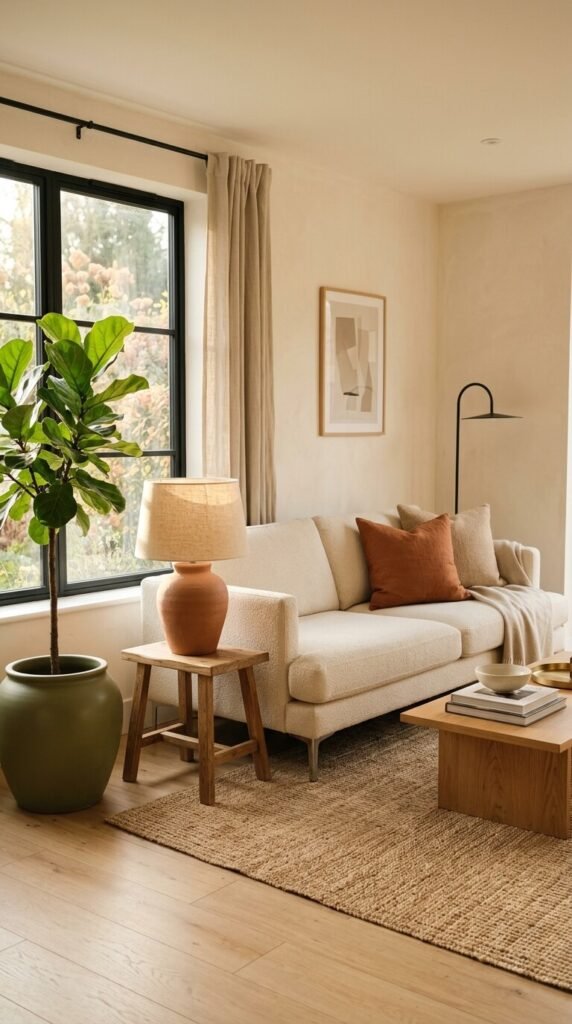
Terracotta, rust, and olive green have replaced gray as the dominant accent colors in contemporary interiors. These earthy tones feel warmer, more human, and more connected to the natural world. Introduce them through accessories rather than walls: a terracotta lamp, a rust throw pillow, an olive green ceramic pot. Each item costs $15–$60 at most home goods retailers. Keep the overall palette warm and neutral, then let one earthy accent tone carry the color story. These tones photograph beautifully on social platforms, which partly explains their current dominance. They also genuinely look better in real life than cool gray ever did.
18. Low-Profile Furniture for Airiness
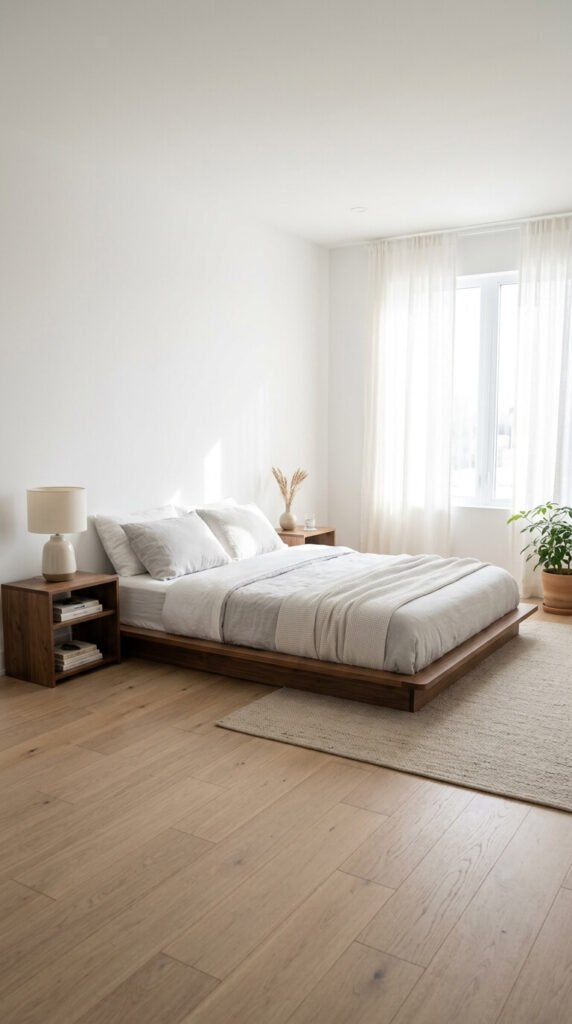
Low-profile furniture — beds close to the floor, sofas with shallow seat heights, low credenzas and coffee tables — keeps the eye moving and the room feeling spacious. The visual weight stays low, which makes ceilings feel higher. Platform beds without box springs cost $200–$600 at IKEA and online furniture retailers. The more floor visible around and under furniture, the more open a room feels. This is especially effective in smaller apartments. Swap a high-leg bed frame for a platform version and the bedroom immediately feels larger. The principle applies to every room: lower furniture, more air, more contemporary character.
19. Wabi-Sabi Objects and Imperfect Aesthetics
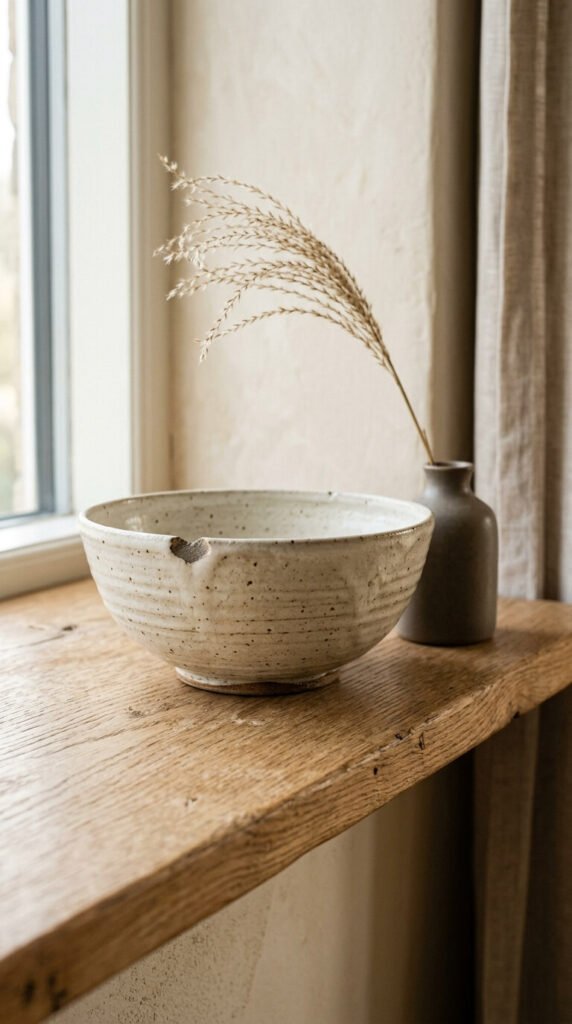
Wabi-sabi — the Japanese aesthetic of finding beauty in imperfection and impermanence — informs a strong current in contemporary decorating. Handmade ceramics with visible cracks, repaired with gold lacquer (kintsugi), dried flowers rather than fresh ones, worn leather chairs, and uneven plaster walls all carry wabi-sabi character. These objects cost almost nothing — a dried pampas grass stem costs $3–$8 at craft stores. The aesthetic asks you to value what is imperfect and aged rather than replacing it. This is both a budget-friendly approach and a genuinely considered design philosophy that produces rooms with more character than perfectly curated ones.
20. Sustainable and Natural Material Choices
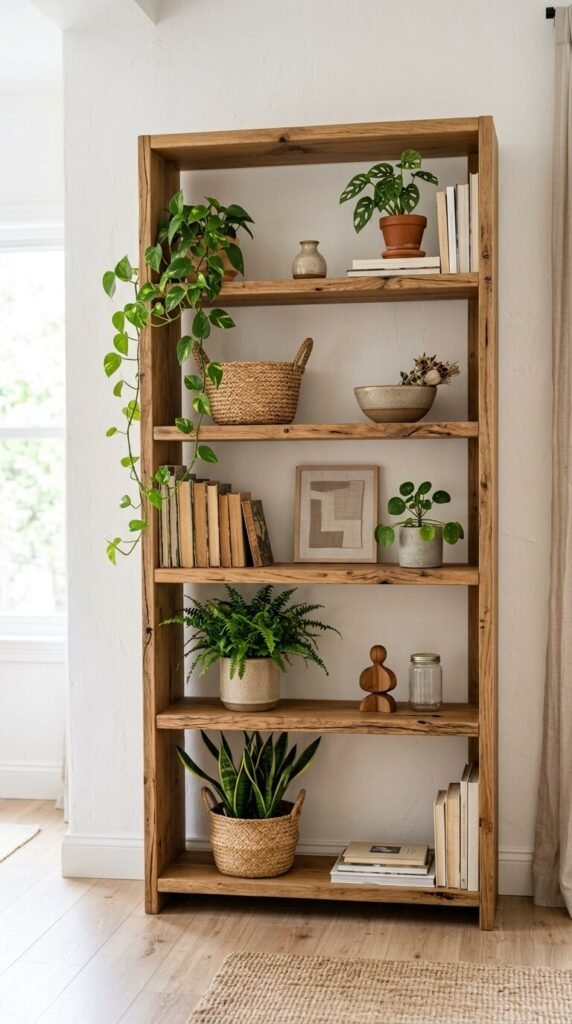
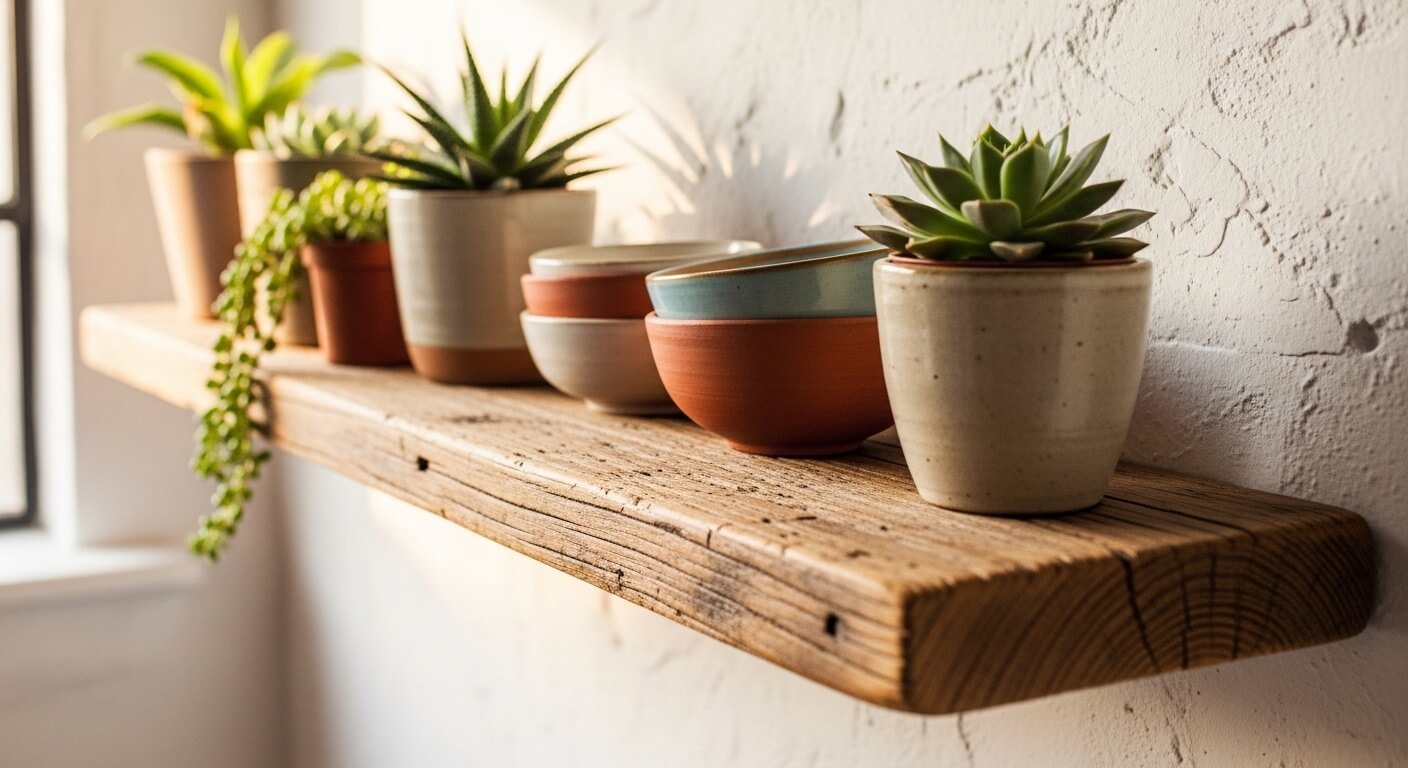
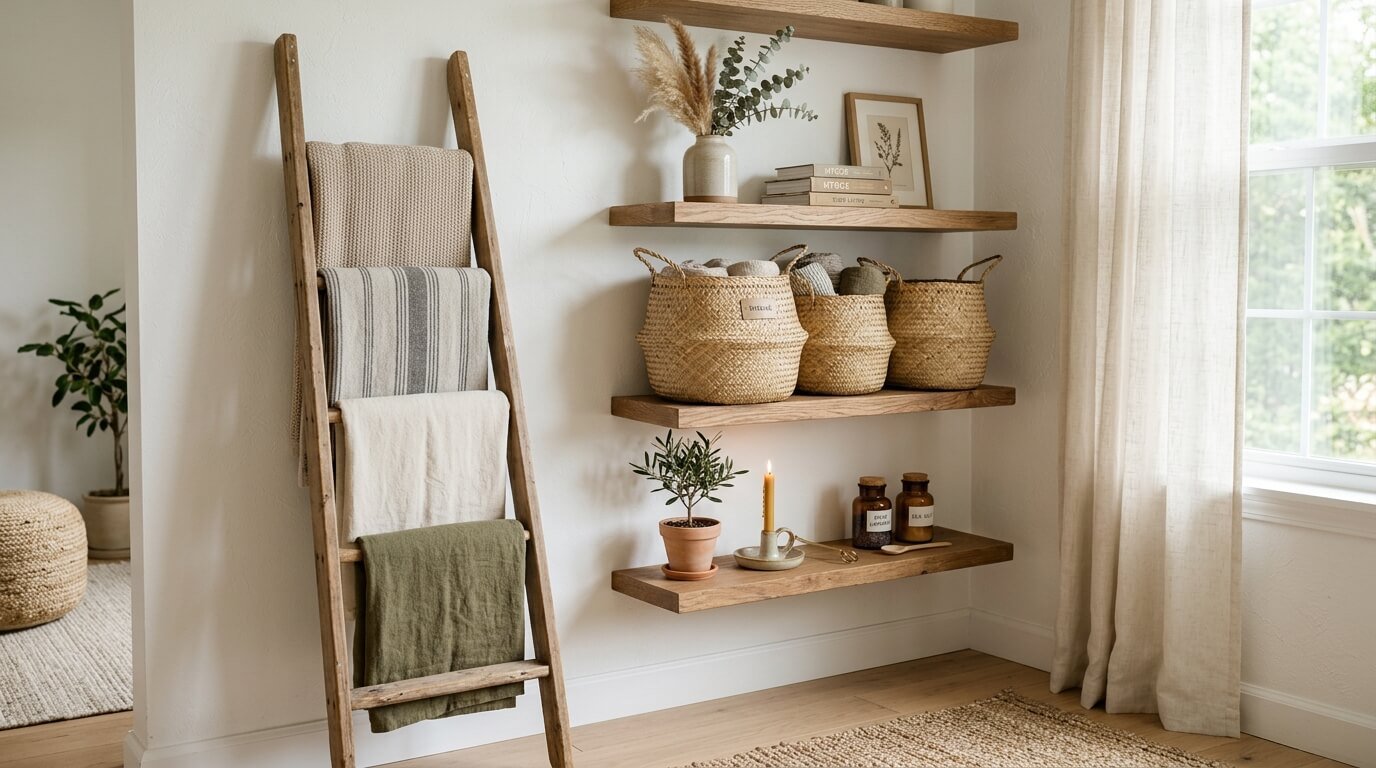
Reclaimed wood, rattan, seagrass, jute, and natural stone are the material choices that contemporary consumers are actively choosing over synthetic alternatives. Reclaimed wood shelving costs $100–$400 from salvage yards and Etsy makers. Jute rugs from IKEA and Target cost $40–$120. Rattan pendant lights and side tables cost $30–$200. These materials add warmth and texture while reducing environmental impact. Buyers increasingly choose furniture and accessories with honest material stories. The natural variation in reclaimed wood or hand-woven seagrass also means no two pieces are identical — every piece carries a quality that factory-made synthetic materials simply cannot offer.
21. Pendant Lights as Focal Points
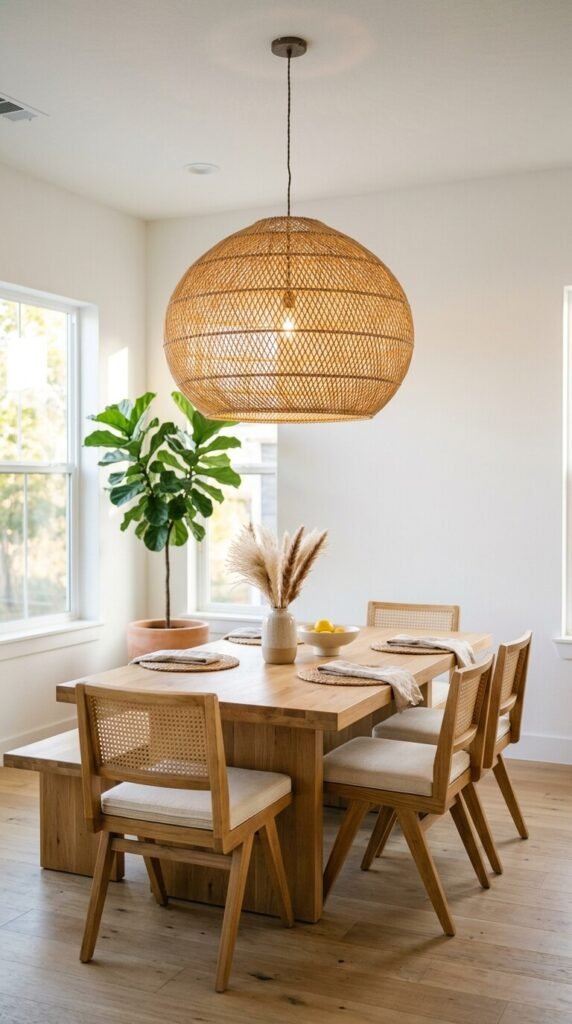
Oversized pendant lights — woven rattan, blown glass, concrete, or sculptural ceramic — are replacing flush ceiling fixtures as the default overhead lighting choice. A single bold pendant above a dining table or kitchen island creates an immediate focal point and draws the eye upward. Woven rattan pendants cost $40–$200 at most lighting retailers and online. Smoked glass globe pendants cost $30–$150 each. Install one pendant light where there was previously a flush-mount fixture for the most dramatic contemporary upgrade. The pendant shape, material, and scale communicate more about a room’s design intention than almost any other single fixture choice.
22. Shelf Styling With Negative Space
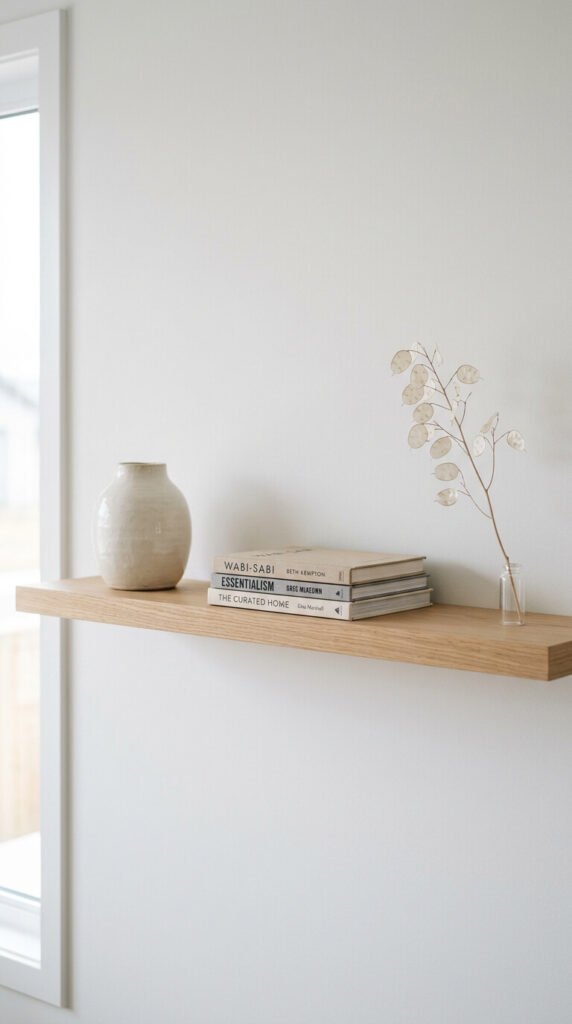
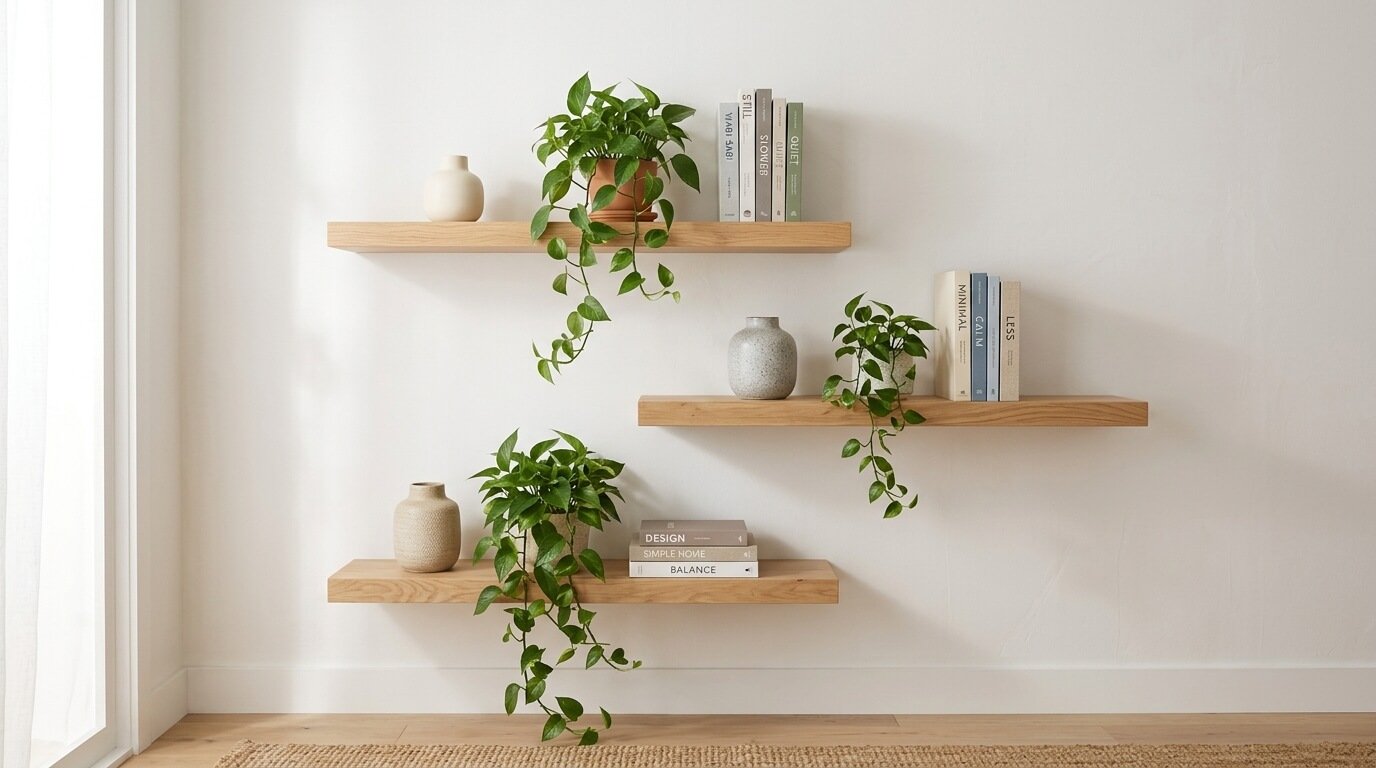
Contemporary shelf styling is defined by what is left off the shelf as much as what is placed on it. The negative space between objects gives each piece room to be seen and appreciated. The rule: place no more than three to five objects per shelf and leave at least 40% of the shelf surface empty. Remove everything from a shelf first, then add back only what earns its place. This edit costs nothing. Grouped objects work better than scattered ones — a small stack of books beside a single ceramic beside a dried stem reads as intentional. The same objects spread across the shelf look like clutter.
23. Textured Walls With Panel Molding
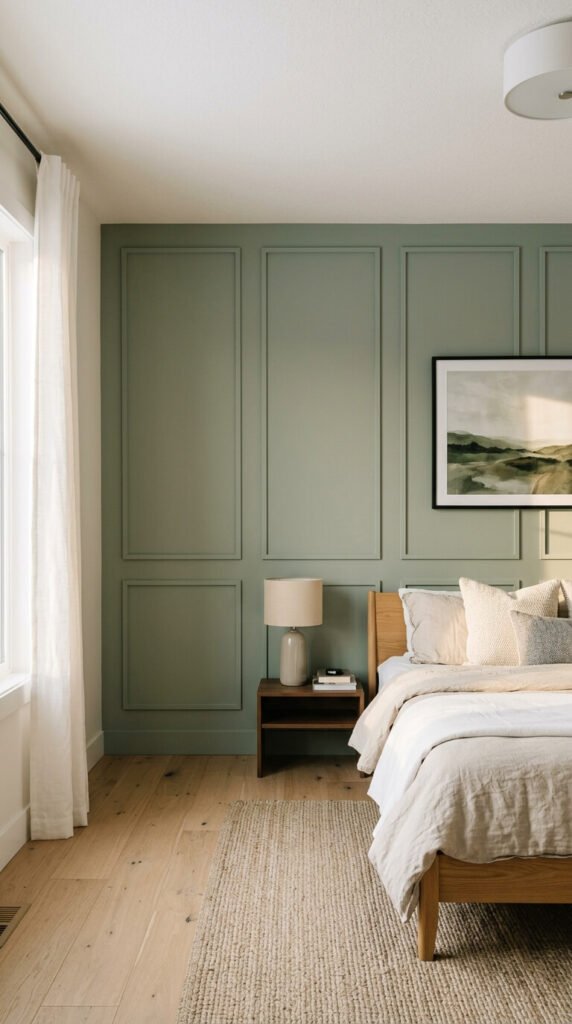
Flat panel wall molding — simple rectangular frames applied to a wall surface and painted the same color as the wall — adds architectural depth and visual structure without pattern or cost. A full bedroom wall can be done with $30–$80 in MDF molding strips and paint from a hardware store. Cut strips to size, glue and nail to the wall in evenly spaced rectangles, caulk, sand, and paint. The shadow lines between panels create depth that no wallpaper can fully replicate. Paint in a deep tone — sage green, navy, or charcoal — for the most dramatic contemporary result.
24. Reading Nooks and Intentional Corners
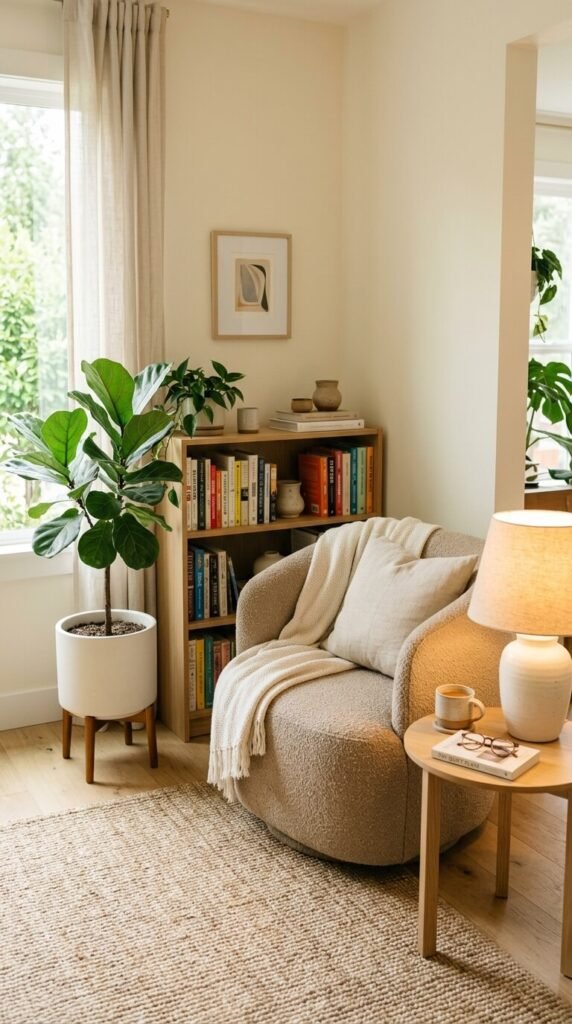
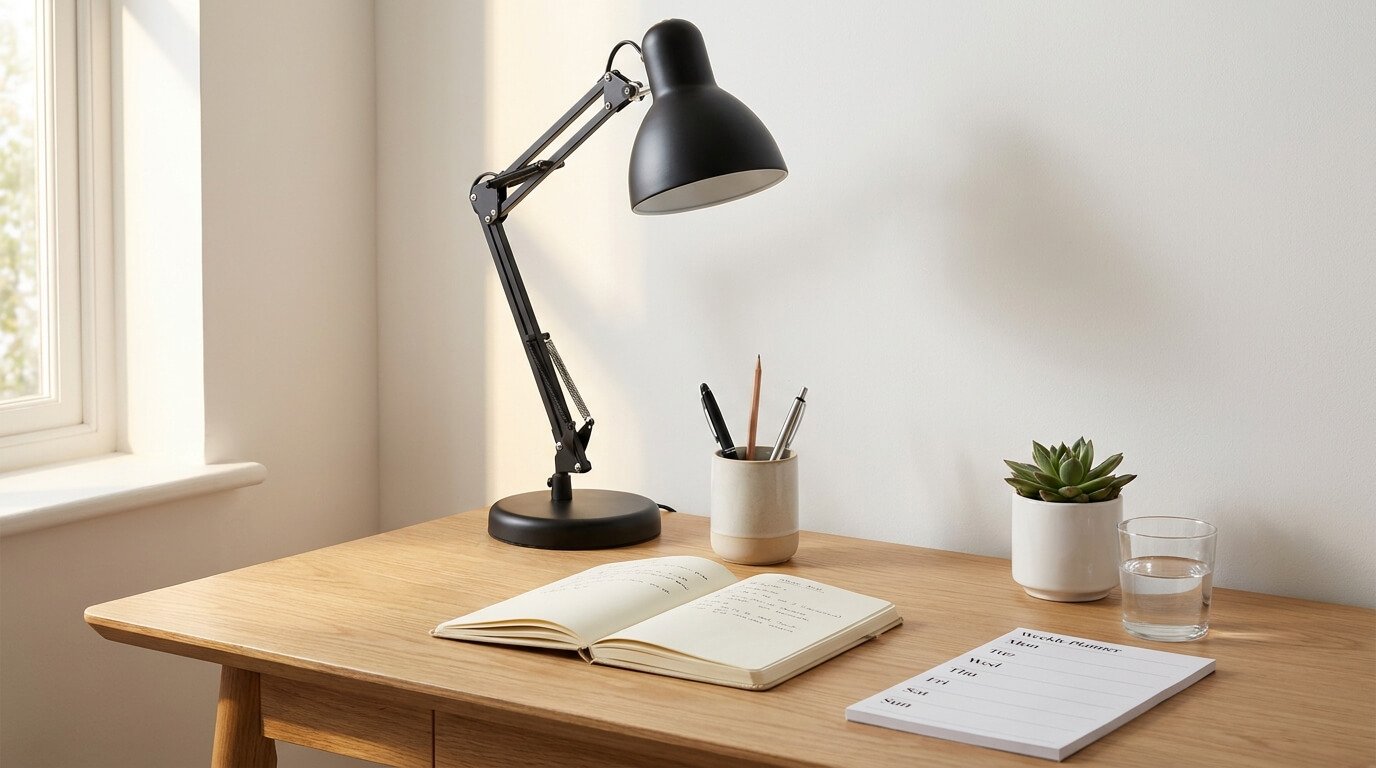
A dedicated reading corner — one chair, one lamp, one small table, one plant — is a contemporary interior design move that costs very little but changes how a space functions and feels. The nook makes a room feel considered and lived-in rather than merely decorated. A curved accent chair costs $150–$500. A small side table costs $30–$150. A floor lamp costs $40–$150. Place the arrangement in any underused corner. The corner goes from dead space to destination. It communicates that the room was designed for actual human activity rather than for appearance alone.
25. Brushed Brass and Warm Metal Accents
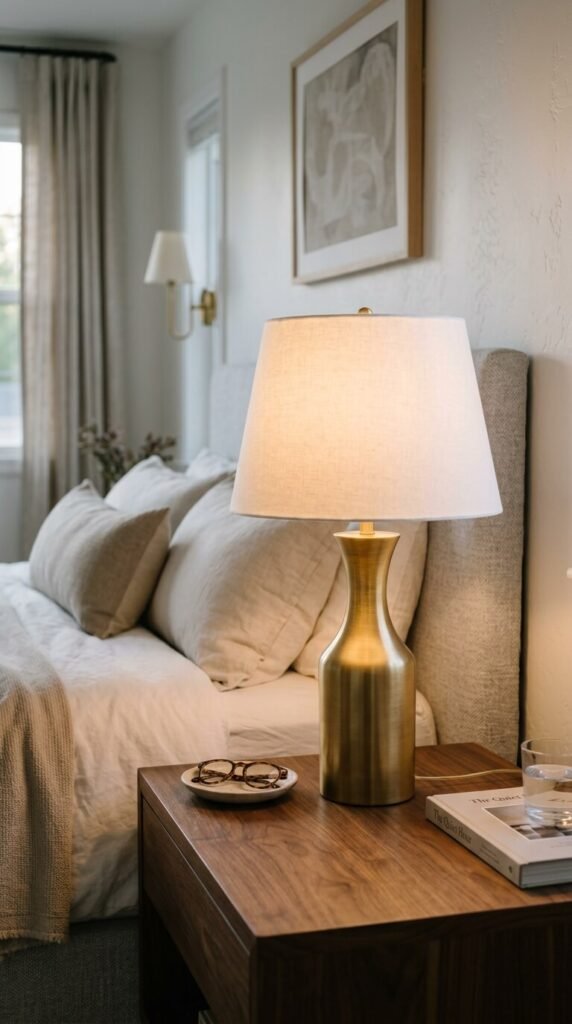
Brushed brass has overtaken chrome and nickel as the dominant metal in contemporary interiors. It is warmer and more organic-looking than polished brass and less cold than chrome. Brushed brass table lamps cost $60–$200. Brushed brass cabinet hardware costs $3–$12 per piece. Brushed brass faucets cost $80–$300. Even small brass accents — a lamp base, a few drawer pulls, a picture frame — warm an entire room noticeably. The key is brushed rather than polished finish. Polished brass reads as traditional or dated. Brushed brass reads as deliberately contemporary. The surface texture makes all the difference.
26. Checkerboard and Bold Floor Patterns
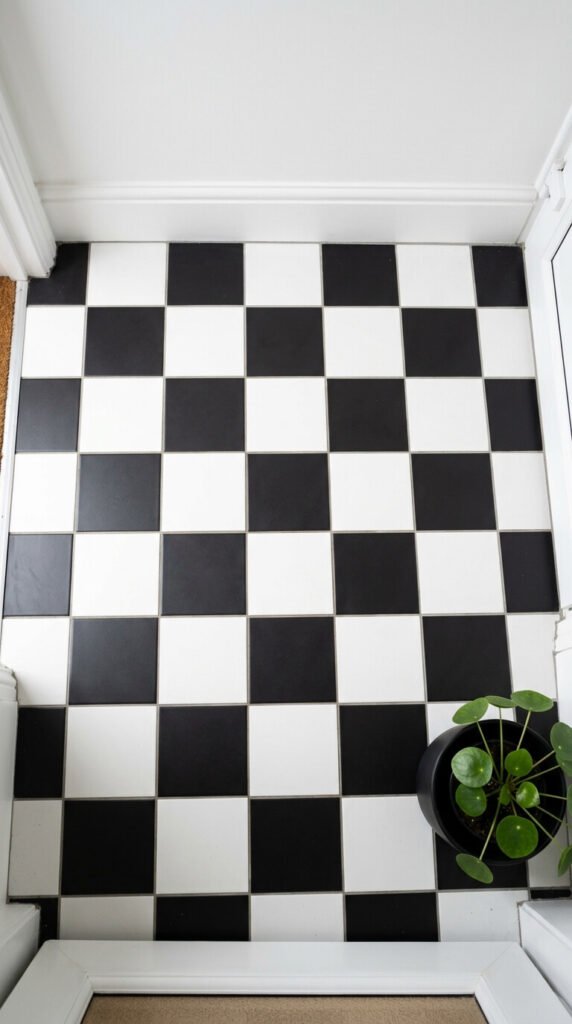
Checkerboard floors in black and white, cream and terracotta, or navy and white are one of the most confident contemporary floor choices. They work in entryways, kitchens, and bathrooms. Peel-and-stick vinyl floor tiles in a checkerboard pattern cost $1–$3 per tile — a full entryway costs $30–$80 in materials. Actual ceramic tile checkerboard floors cost $200–$600 for materials and installation. The pattern is bold enough to be the primary design statement in a small space — keep walls and furniture simple and let the floor do the visual work. This is one of the highest-impact, lowest-effort contemporary floor updates available.
27. Open Shelving in Kitchens
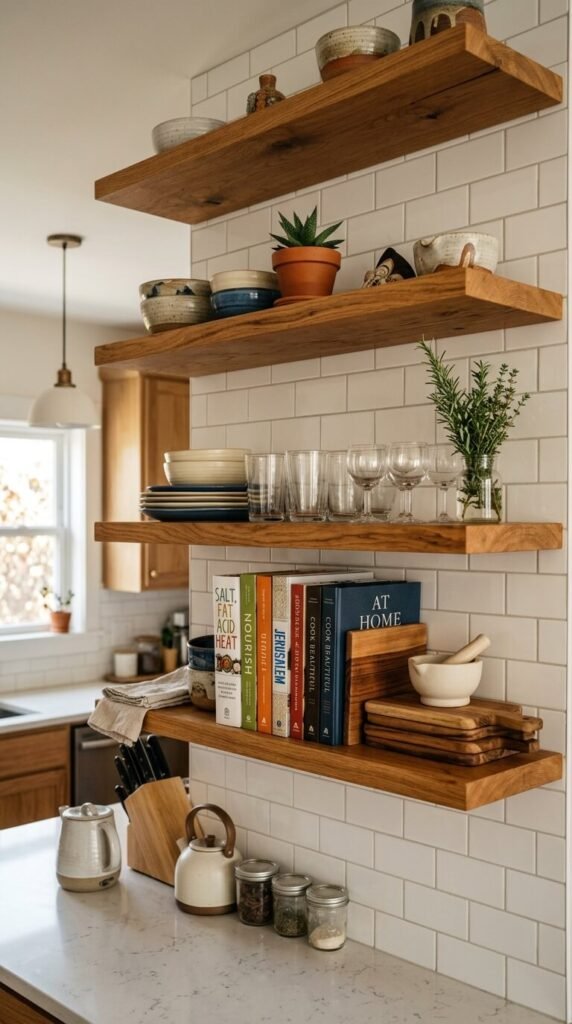
Open kitchen shelving — floating wood or metal shelves replacing upper cabinet doors — is a strong contemporary kitchen choice. The shelves display everyday objects as decor: ceramic plates, glass jars, small plants, and cookbooks. Floating oak shelves with L-bracket hardware cost $50–$200 per shelf installed. IKEA’s BERGSHULT shelf paired with VALTER brackets costs about $30 per shelf. The discipline required to keep open shelves tidy also improves how the kitchen is organized. Commit to displaying only objects you genuinely use and find beautiful. Remove everything that is purely functional and store it elsewhere. The result feels curated rather than convenient.
28. Oversized Abstract Art
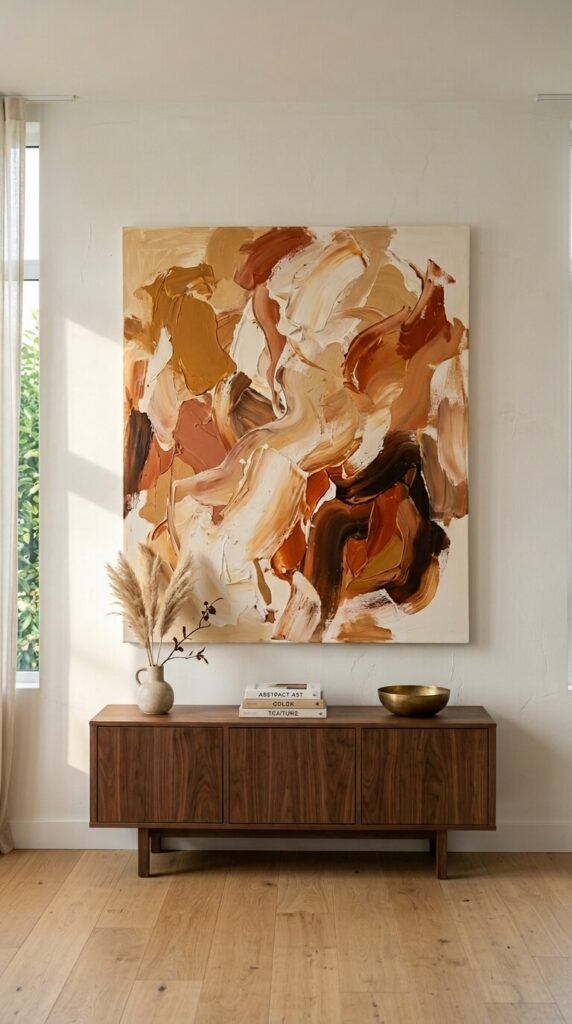
One large-format abstract painting makes a stronger statement than three smaller pieces in the same space. Scale is the whole point. A canvas that takes up 70–80% of a wall above a sofa or credenza reads as bold and decisive. New large abstract art prints on canvas cost $80–$300 from Society6, Deny Designs, and Etsy. Commission a local artist for an original piece for $200–$600. Make your own with stretched canvas and acrylic paint from an art supply store for $30–$60 in materials. Abstract art requires no specific skill level to create. The gesture and the scale matter more than technical precision.
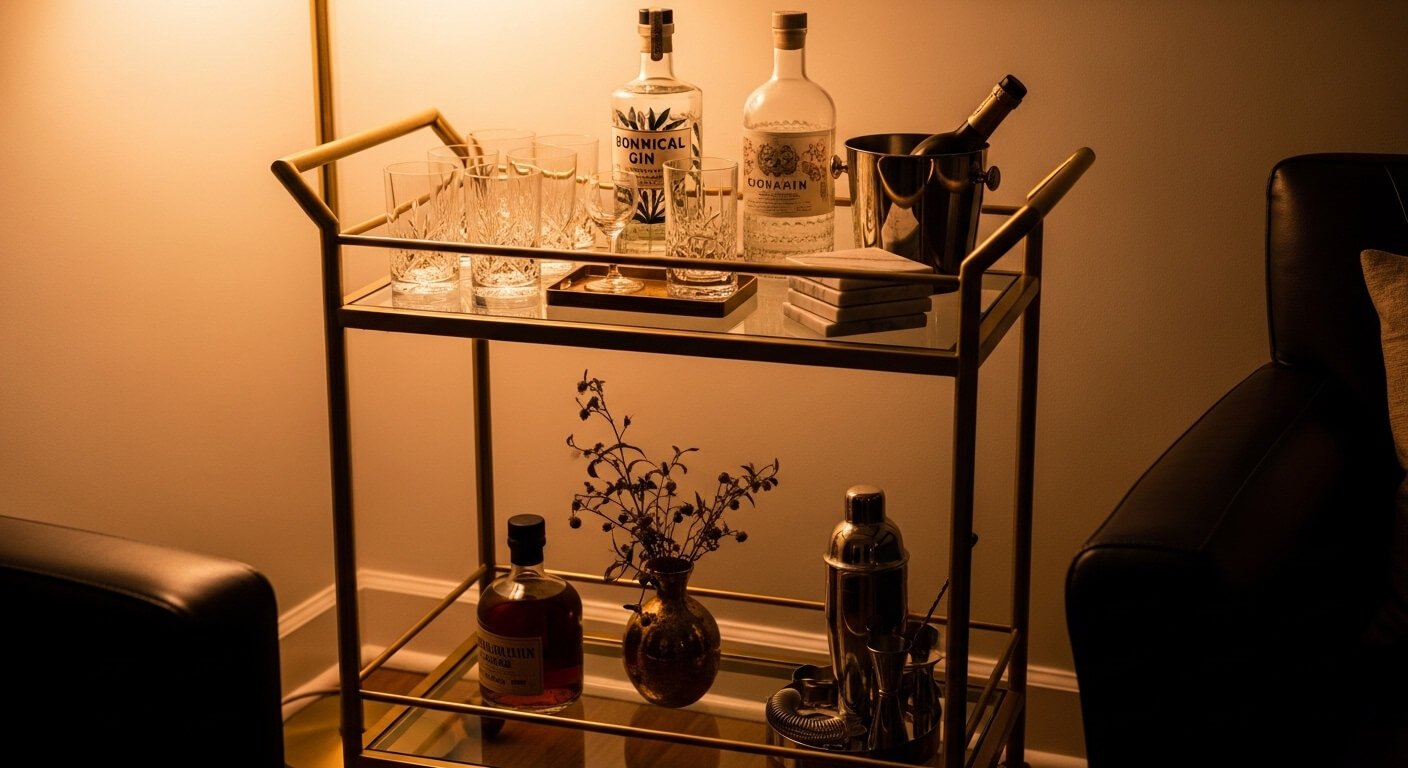
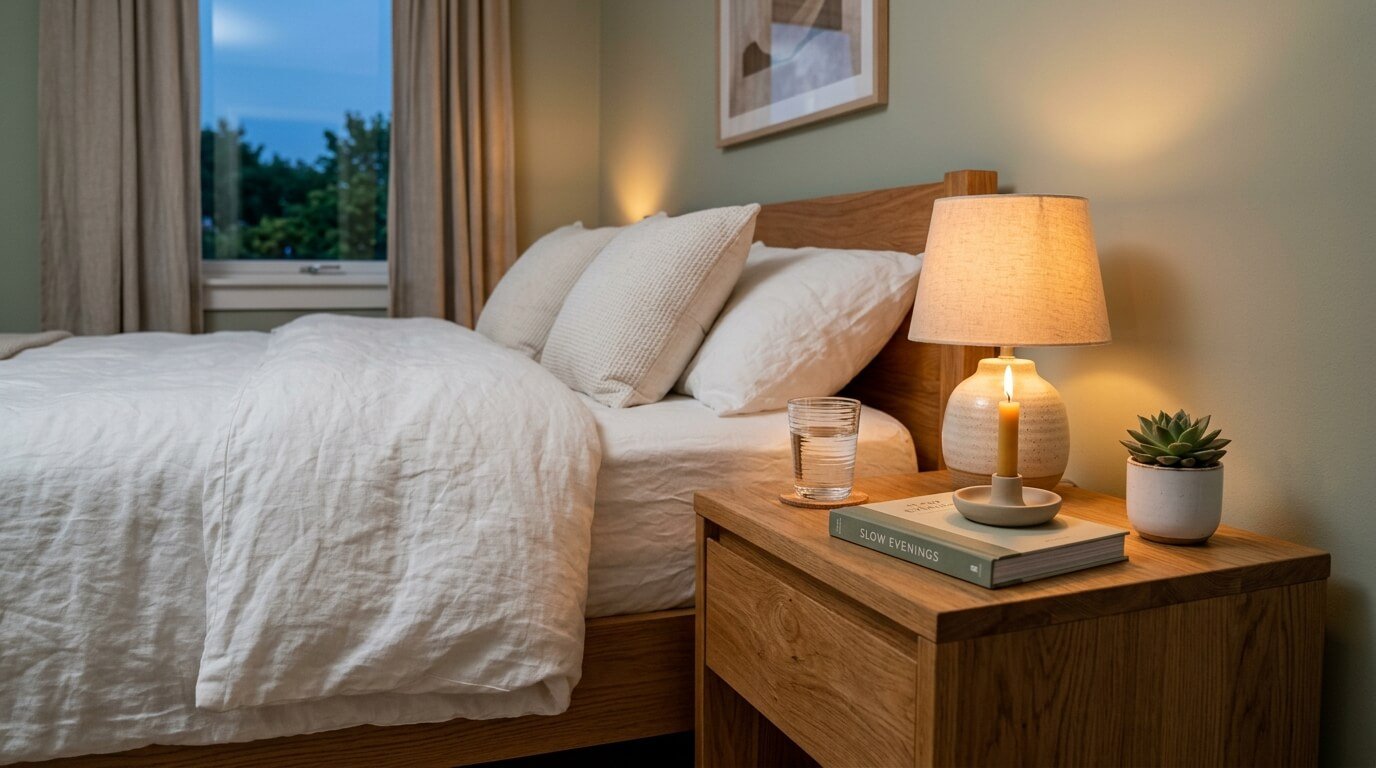
29. Candles and Ambient Lighting Layers
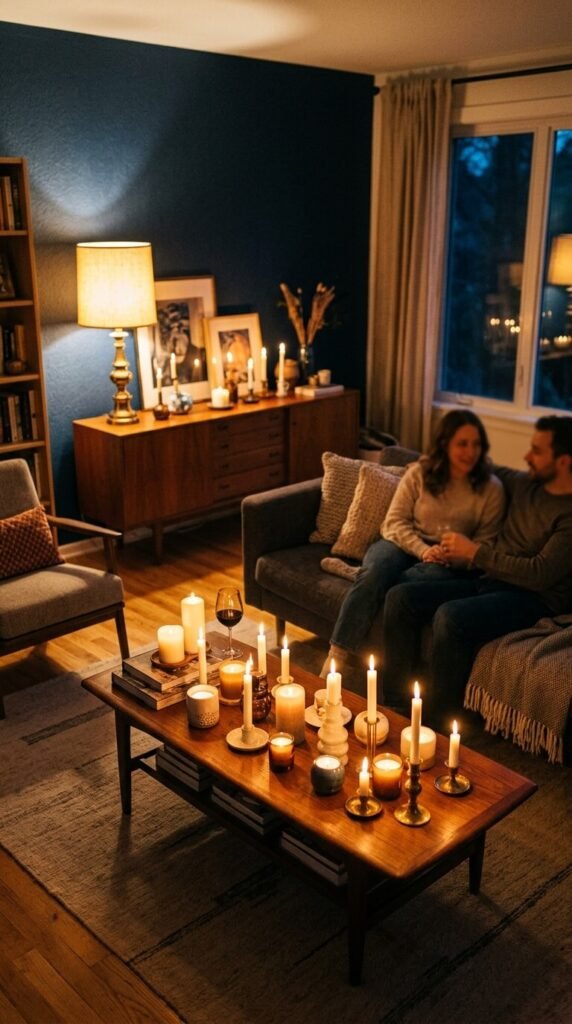
Layered ambient lighting — table lamps, floor lamps, candles, and pendant lights all active simultaneously — creates an evening atmosphere in a contemporary room that overhead lighting alone destroys. The rule is simple: turn off the overhead light and use only lamps and candles after 6pm. Pillar candles in ceramic or concrete holders cost $10–$30. A good table lamp costs $50–$150. The investment is modest. The atmospheric difference between one overhead light and four smaller light sources at varying heights is one of the most dramatic improvements you can make to how any room feels at night.
30. Sustainable Statement Rugs in Natural Fibers
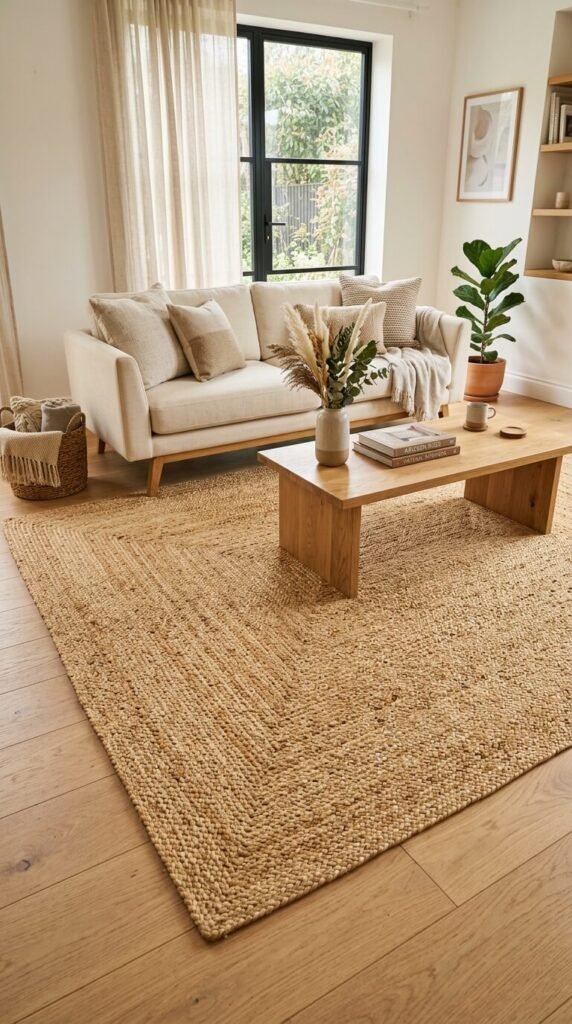
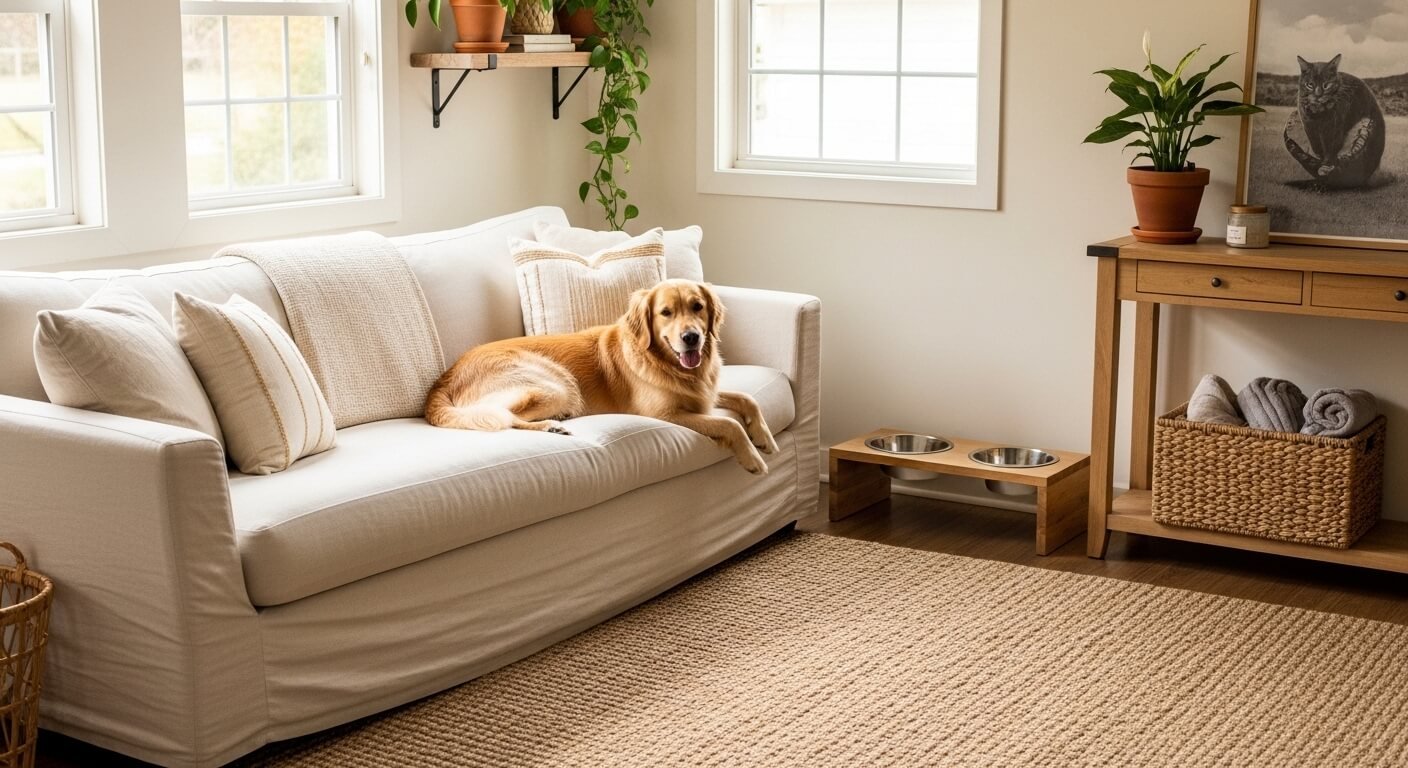
Natural fiber rugs in jute, seagrass, sisal, and wool are the contemporary rug choice that works with virtually every color palette. Jute rugs in large sizes cost $80–$250 at IKEA, Target, and World Market. Wool flatweave rugs with simple patterns cost $150–$500. These rugs add texture underfoot and a warm natural tone that synthetic fiber rugs cannot replicate. They also wear well — natural fiber rugs look better after a year of use than before it. Size up: a rug that fits under all four legs of the furniture arrangement in a room looks intentional, while a rug that only fits under the coffee table looks like an afterthought.
Conclusion
Contemporary decor in its best form is not about chasing the newest thing — it is about understanding what works right now and why. Warm neutrals over cool grays. Curved forms over sharp corners. Natural materials over synthetic ones. Texture over flatness. Restraint over accumulation. These are not rules — they are principles that consistently produce rooms that feel considered, livable, and genuinely comfortable. You do not need to implement all thirty ideas at once. Pick two or three that match what you already have, start with the most affordable changes first, and see how each small improvement shifts the way the whole room reads. That is how the best contemporary spaces get built — one thoughtful decision at a time.