
Here’s the truth about decorating a teen’s room: if they don’t have a say in it, they won’t care about it. Gone are the days of picking a theme and running with it — teenagers want a space that genuinely reflects who they are. A room that feels like theirs. One they actually want to hang out in, study in, and show their friends. The good news? Creating that kind of space doesn’t have to be overwhelming — or expensive. Here’s how to get it right.
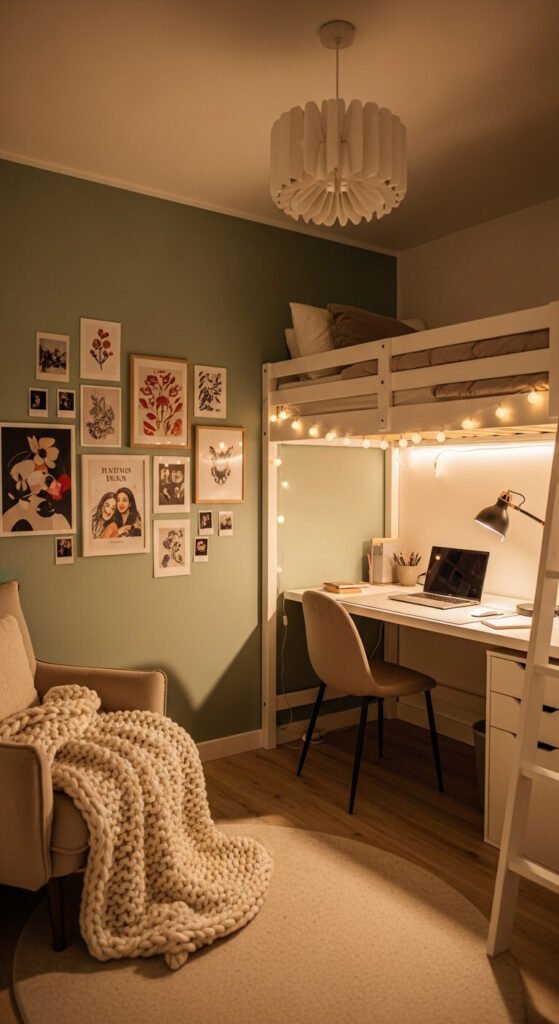
Start by Involving Them in the Process
This is the step most parents skip — and it’s the most important one. Before you buy a single thing, sit down with your teen and have an actual conversation about what they want.
Ask questions like:
- What colors make you feel good?
- Do you want your room to feel cozy or energizing?
- Where do you spend the most time — on your bed, at a desk, on the floor?
- Are there rooms or spaces you’ve seen online that you love?
Let them pull inspiration from Pinterest, Instagram, or TikTok. You might be surprised how clearly they can articulate their vision when given the chance. Your job is to be the editor — helping shape their ideas into something functional and realistic, not overriding them entirely.
Pick a Color Palette They Won’t Grow Out Of
Bright primary colors and character-themed rooms are firmly in childhood territory. Teenagers are somewhere in between — they want something that feels mature and personal, but still reflects their energy.
Some palettes that tend to age well for teens:
- Moody and bold — deep forest green, charcoal, rust, or navy paired with natural wood
- Soft and dreamy — dusty lilac, warm cream, blush, and white with gold accents
- Monochrome cool — black, white, and grey with pops of a single accent color
- Earthy and natural — terracotta, sage, warm beige, and rattan textures
- Retro and maximalist — warm yellows, burnt orange, vintage-inspired prints
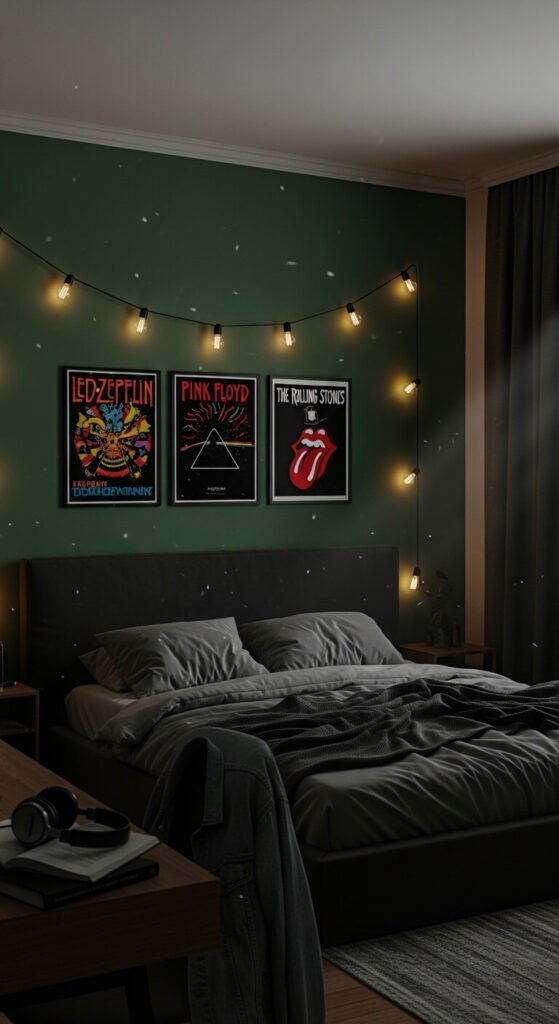
The trick is to use their favorite color as an accent rather than painting everything in it. Walls in a neutral or muted tone with pops of their signature color in bedding, cushions, and accessories means the room can evolve as their tastes do.
Create Zones That Work for Their Actual Life
A teen’s room needs to do a lot. It’s a bedroom, a study, a hangout space, and sometimes a recording studio or art studio too. Rather than treating it as one big room, think in zones.
Sleep zone:
- A comfortable, well-dressed bed is non-negotiable — invest in good bedding
- Soft lighting nearby (a bedside lamp or wall-mounted sconce) beats harsh overhead light
- Storage underneath the bed keeps the floor clear
Study zone:
- A proper desk and ergonomic chair matters more than most parents realize — teens spend hours here
- Good task lighting reduces eye strain
- A pegboard or corkboard above the desk keeps their space organized and expressive
Hangout zone:
- A floor cushion, bean bag, or small loveseat gives them somewhere to sit besides the bed
- A mini shelf or bedside caddy for snacks, chargers, and remotes makes the space feel lived-in and real
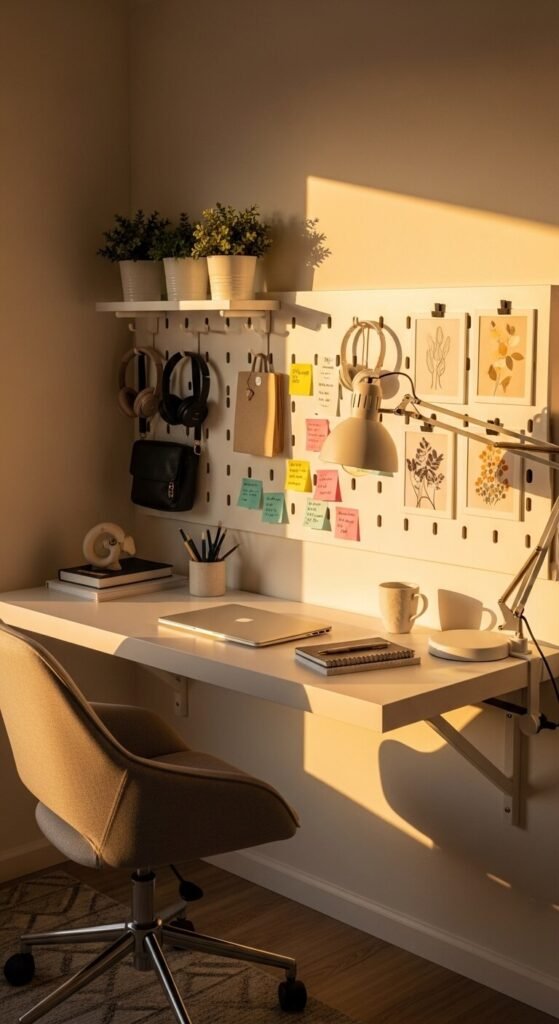
Make Storage Feel Like Part of the Design
Teenagers and clutter go hand in hand — but storage doesn’t have to look like storage. The goal is to make organization feel intentional rather than institutional.
Try these ideas:
- Open shelving for books, trophies, plants, and personality pieces they actually want to display
- Baskets and bins in neutral tones that slide under beds or sit on shelves
- Hooks on the wall for bags, hats, and jackets — if it’s easy to put away, they’ll actually do it
- A dedicated charging station to keep cables off the floor and devices organized
- A clothing rack if the wardrobe is overflowing — it can look intentionally cool with the right pieces hanging on it
Let Them Personalize the Walls
The walls of a teen’s room are their personal billboard — and giving them creative freedom here costs very little but means everything.
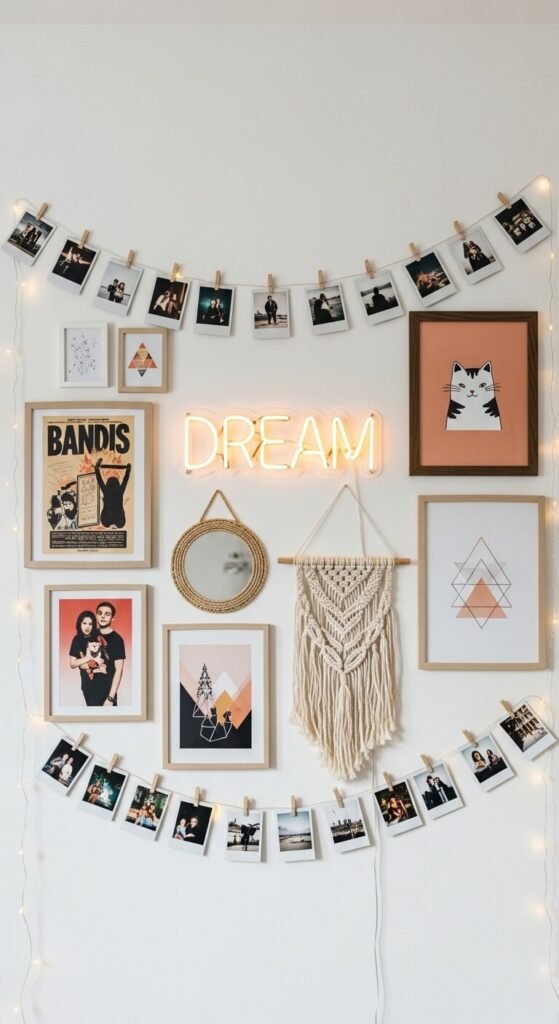
Some low-commitment, high-impact wall ideas:
- A gallery wall of prints, photos, postcards, and mementos they curate themselves
- String lights or neon signs for warm, ambient lighting that doubles as decor
- Removable wallpaper on a single accent wall for pattern and personality without permanence
- A corkboard or chalkboard wall that’s functional and expressive
- Washi tape or wall stickers for a completely reversible, budget-friendly touch
The key word here is reversible — give them creative control while keeping long-term damage in check.
The Takeaway
The best teen room isn’t the most Pinterest-perfect one — it’s the one your teenager actually feels at home in. Involve them early, give them real choices, and design around how they genuinely live their life.
Save this article and share it with your teen before you start planning — designing their room together might just be one of the most fun projects you tackle as a team. 🛏️✨