
One wall. That’s genuinely all it takes to make a room feel completely different. An accent wall done right doesn’t just add color — it adds architecture, intention, and the kind of visual depth that makes people walk into a room and immediately say something about this feels different. Done wrong, it just looks like you ran out of paint. The gap between those two outcomes is smaller than you think, and this guide will walk you through exactly how to land on the right side of it — from choosing the wall to finishing it like a pro.
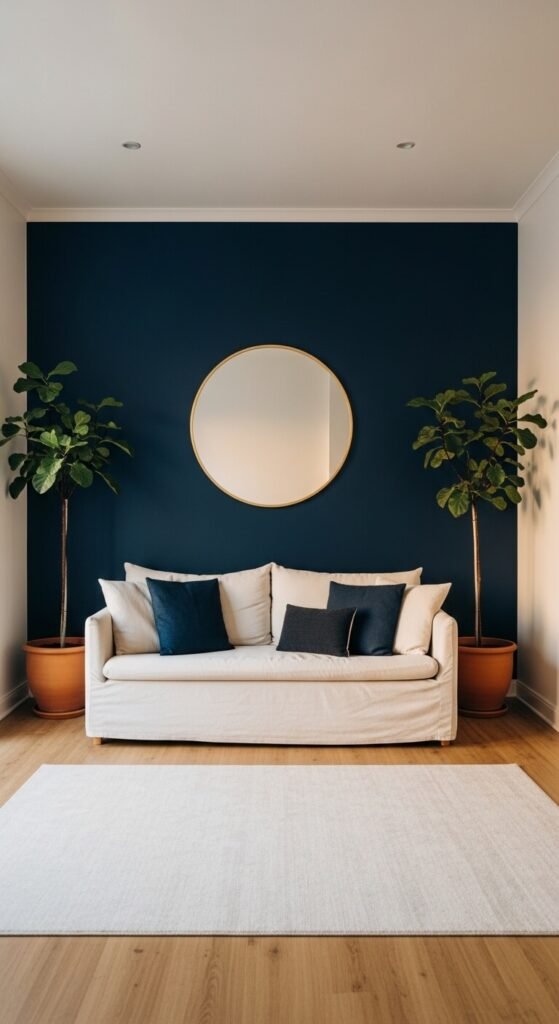
Pick the Right Wall — It’s Not Always the One You Think
Most people instinctively point to the biggest wall in the room. That’s not always the best choice. The right accent wall is the one that creates the most visual impact given how the room is actually used and seen.
Here’s how to identify it:
- The wall you face first when entering a room is almost always the strongest choice — it sets the tone before you’ve even stepped fully inside
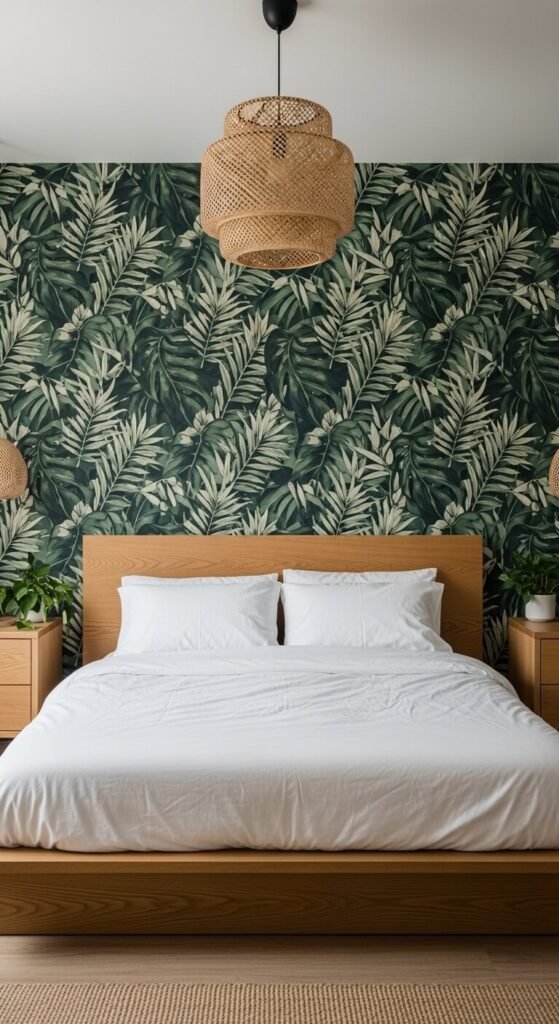
- The wall behind the bed in a bedroom is a natural focal point that frames the entire room
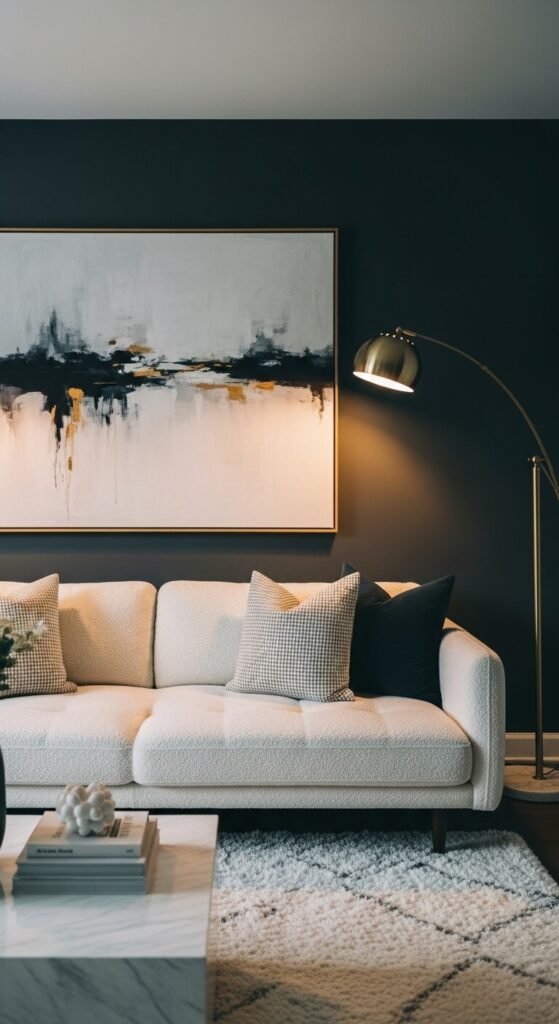
- The wall behind a sofa or TV in a living room anchors the seating area
- A wall with architectural features — a fireplace, built-ins, or a window grouping — is already asking for attention. Lean into it
Avoid making an accent wall out of a wall that’s broken up by multiple doors, windows, or openings. Interruptions kill the drama you’re trying to create.
Choose Your Accent Wall Method
Paint is the obvious choice — but it’s far from the only one. The method you pick should match the room’s style and the level of impact you’re after.
Paint: The fastest and most affordable option. One gallon covers roughly 400 square feet and costs $30–$60. Great for renters using removable paint or anyone who wants to experiment without a long commitment.
Wallpaper: Maximum impact, especially with bold prints, textures, or murals. Peel-and-stick wallpaper has made this genuinely DIY-friendly — no paste, no professional installer, no permanent commitment. Rolls start around $30–$50 each.
Wood paneling: Shiplap, board and batten, slat panels, or V-groove adds physical texture and dimension that paint alone can’t replicate. Many DIYers complete a full wall for $100–$200 in materials.
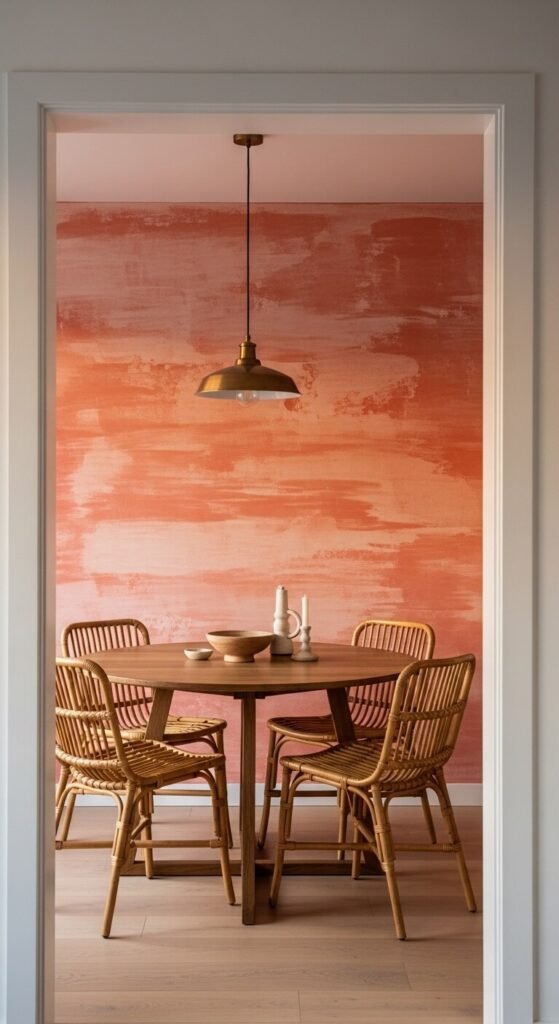
Limewash or plaster finish: One of the most popular looks right now. Limewash paint creates a layered, aged, European plaster effect that looks hand-done and deeply textural. Brands like Portola Paints make it accessible for DIY application.
Brick or stone veneer: Thin veneer panels that adhere directly to drywall give the look of exposed brick or stacked stone without structural work. A full wall runs $150–$400 in materials.
Get Your Color or Pattern Right
For painted accent walls, the most common mistake is going too light. A color that reads as a soft accent on a paint chip often disappears on a full wall. You want to see it.
Colors that make strong accent walls:
- Deep navy, forest green, or charcoal — rich and sophisticated
- Warm terracotta or rust — earthy and bold without being harsh
- Dusty sage or olive — softer but still clearly intentional
- Black — surprisingly versatile and dramatically effective in the right room
The formula that works every time: Take the undertone of your existing neutral walls and choose an accent color in the same undertone family, but three to four shades deeper. The room will feel cohesive even with strong contrast.
For wallpaper, keep the pattern scale in proportion to the room. Large rooms can handle oversized prints. Smaller rooms actually benefit from larger, more graphic patterns — small, busy prints shrink a space.
Prep the Wall Like a Professional
The quality of your finished accent wall depends heavily on prep. Skipping this step is the most common reason DIY accent walls look amateur.
Before any paint, paper, or paneling goes up:
- Fill all holes and dents with lightweight spackle and sand smooth once dry
- Clean the wall with a damp cloth to remove dust, grease, and oils — especially in kitchens
- Apply painter’s tape at every edge: ceiling, baseboards, adjacent walls, and around outlets
- Prime bare drywall or patches before painting — unpainted drywall absorbs paint unevenly and dulls the finish
- Sand lightly between the primer coat and your first color coat for a smoother result
For wood paneling, make sure your wall is plumb before you start. Use a level on every board — even a small angle compounds over a full wall.
Style the Wall After It’s Done
An accent wall without styling in front of it is a backdrop without a scene. What you place in front of the wall is what activates it.
For a bedroom accent wall: A bed with a well-layered pillow arrangement is usually enough. Add two matching bedside lamps for symmetry and the wall does the rest.
For a living room accent wall: Center a sofa against it. Add a large mirror or piece of art above, and flank with plants or floor lamps. Symmetry works best against a strong wall color.
For a dining room accent wall: A round table with a statement pendant light centered in front of it photographs beautifully and gives the wall a clear focal partner.
The rule: one strong anchor piece centered on the wall, supported by symmetrical elements on either side. Simple, balanced, and always effective.
One Wall Changes Everything
The power of an accent wall is that it commits to something. It says the room was thought about — that someone made a choice rather than defaulted to safe. And in interior design, intentionality is almost always what separates a beautiful room from a forgettable one.
Pick your wall. Choose your method. Prep it properly. Style it with purpose. One weekend, one wall, and your room will look completely different by Sunday evening.
Save this article for your next room project — and share it with someone who’s been staring at a blank wall wondering what to do with it.