
Your bedroom should be more than just a place to sleep—it’s your personal sanctuary. Whether you’re working with a tight budget or ready to splurge, small changes can make a massive difference. From lighting tricks to textile swaps, these 27 ideas will help you create a space that feels calm, cozy, and completely yours. Get ready to transform your room without breaking the bank.
Layer Your Lighting for Instant Ambiance

Overhead lights alone kill the mood. Mix three types: ambient, task, and accent. Add a bedside lamp for reading, string lights for warmth, and a dimmer switch for your main fixture. Target sells affordable dimmers for under $15. Swap out harsh white bulbs for warm-toned ones (2700K). Place a floor lamp in the corner to eliminate dark spots. This creates depth and makes your room feel like a boutique hotel. You’ll instantly feel more relaxed.
Bring in a Statement Headboard
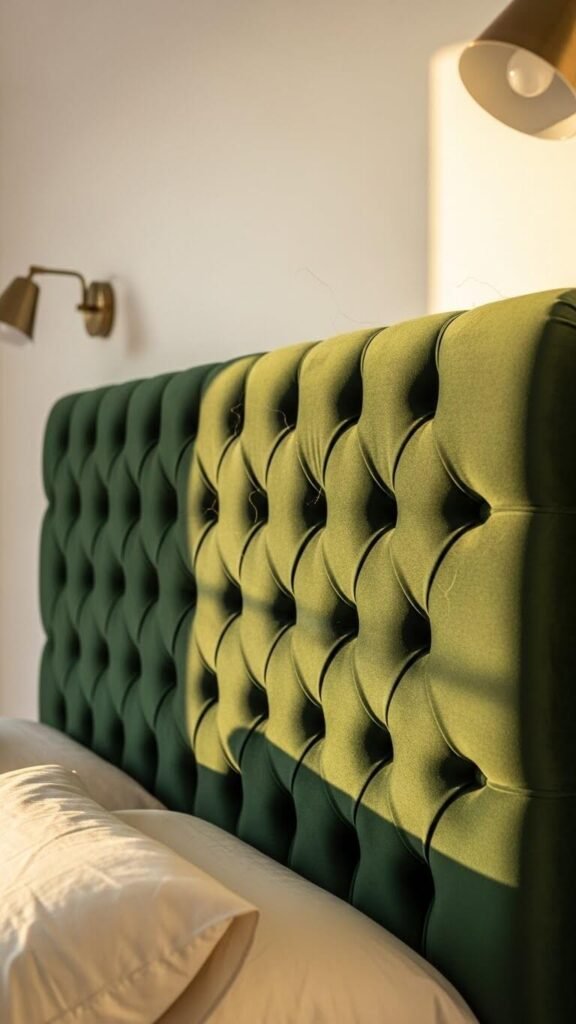
Your bed is the focal point—make it count. A headboard adds polish without major renovation. DIY one using plywood and foam padding covered in fabric. Home Depot cuts wood for free. Attach it to the wall with French cleats. Alternatively, use removable wallpaper behind your bed to fake the look. Rattan, velvet, or reclaimed wood styles work for any budget. Even a large tapestry can mimic this effect. Your room looks finished, not forgotten.
Switch to Hotel-Quality Bedding
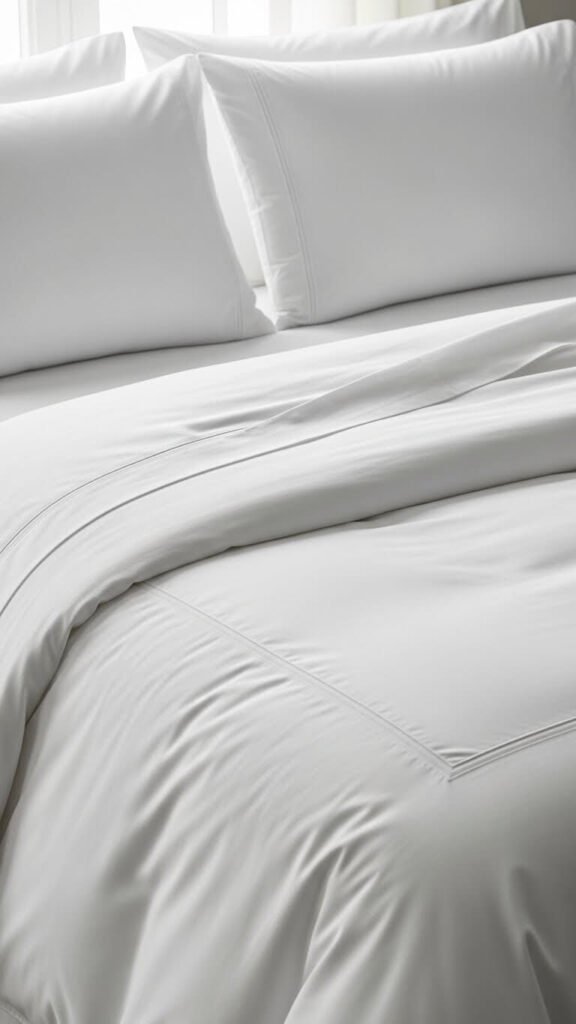
Cheap sheets feel scratchy and look sad. Invest in 300-thread-count cotton percale or linen. Amazon’s Pinzon line offers quality under $50. Make your bed every morning—it takes two minutes. Add a duvet cover instead of a comforter for easy washing. Tuck in hospital corners for that crisp look. White or neutral tones photograph beautifully and match everything. Flip your mattress quarterly to extend its life. Your sleep quality improves, and guests notice the difference.
Add Texture with Throw Pillows

Flat bedding looks boring. Layer 4-6 pillows in varying sizes and textures. Mix velvet with linen, add a faux fur accent. Thrift stores sell pillow inserts for $3—just buy new covers. Stick to a two-color palette to avoid chaos. Place larger pillows in back, smaller in front. Remove decorative pillows at night and store them in a basket. This simple swap costs under $40 but photographs like a magazine spread. Wash covers monthly to keep things fresh.
Hang Curtains at Ceiling Height

Low curtain rods make ceilings look shorter. Mount your rod just below the ceiling, even if your window is lower. Let curtains graze or puddle on the floor. This vertical line tricks the eye and adds elegance. IKEA’s Ritva curtains are $25 per pair. Choose light-filtering fabric for privacy without darkness. Hang them wide—extend rods 6 inches past the window frame on each side. Your room feels taller and more expensive. Skip the fussy tiebacks for a modern look.
Create a Gallery Wall Above Your Bed
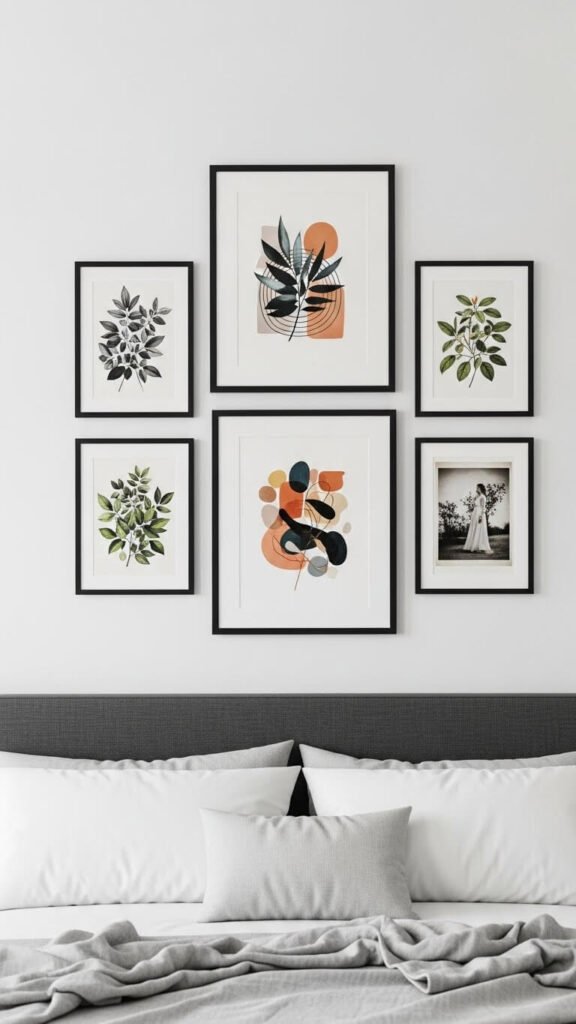
Blank walls waste opportunity. Gather 5-9 frames in matching color but different sizes. Print art from Etsy or use family photos. Lay your arrangement on the floor first, then measure and mark walls with painter’s tape. Keep spacing consistent at 2-3 inches between frames. Center the collection over your bed. Black frames look cohesive with any decor style. Command strips work for lightweight pieces—no holes required. Change prints seasonally to keep things interesting.
Paint an Accent Wall
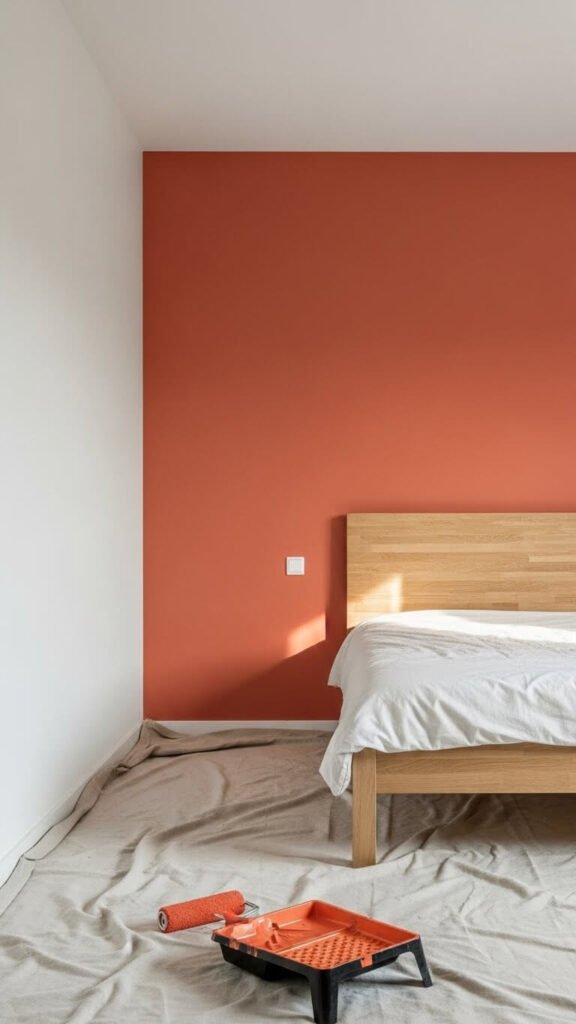
One colored wall transforms the space. Choose the wall behind your bed for maximum impact. Dusty blue, sage green, or terracotta work in most rooms. Buy sample pots ($5 each) and test patches before committing. Use painter’s tape for crisp lines. Apply two coats for even coverage. Accent walls require only one gallon of paint—budget-friendly at $30. Skip busy patterns if you’re renting. This weekend project changes everything.
Incorporate Plants for Life
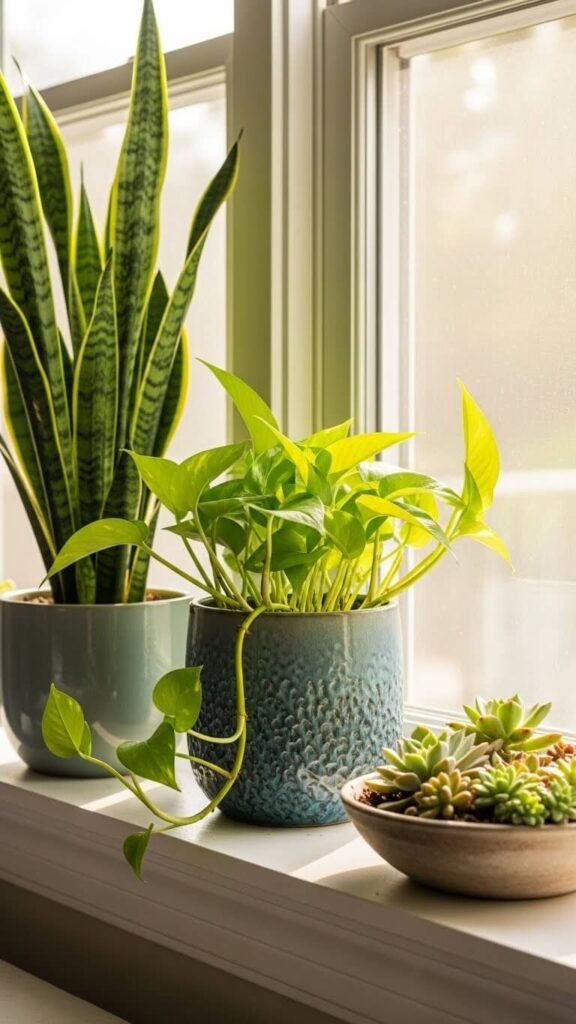
Plants purify air and add color. Start with low-maintenance options: snake plants, pothos, or ZZ plants. They survive neglect and low light. Place them on nightstands, dressers, or hanging planters. Water weekly and mist occasionally. Ceramic pots from thrift stores cost $2. Greenery makes rooms feel alive and Instagram-ready. Group plants in odd numbers for visual interest. Even fake plants work if you forget to water—just dust them monthly.
Use Area Rugs to Define Space
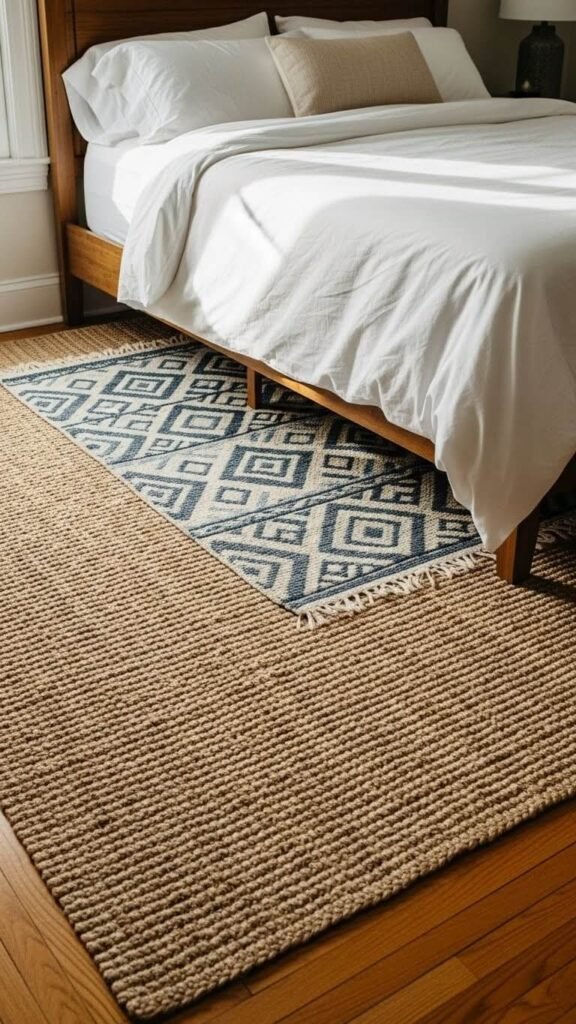
Bare floors feel cold and echo. Add a rug that extends 18-24 inches beyond your bed on three sides. This grounds your furniture and softens footsteps. Jute rugs are affordable and timeless. Layer a smaller patterned rug on top for dimension. Rugs USA and Wayfair run sales constantly—snag 8x10s for under $100. Vacuum weekly to prevent dust buildup. Rug pads prevent slipping and extend rug life.
Install Floating Shelves for Display

Floating shelves add storage without bulk. Mount them above your dresser or flanking your bed. Display books, plants, candles, or small frames. Keep it minimal—three to five items per shelf. IKEA’s Lack shelves are $7 each and hold up to 20 pounds. Space shelves 12-15 inches apart. Use a level during installation or they’ll look crooked. Paint shelves to match your walls for a seamless look, or go with natural wood for warmth.
Upgrade Your Nightstand Game
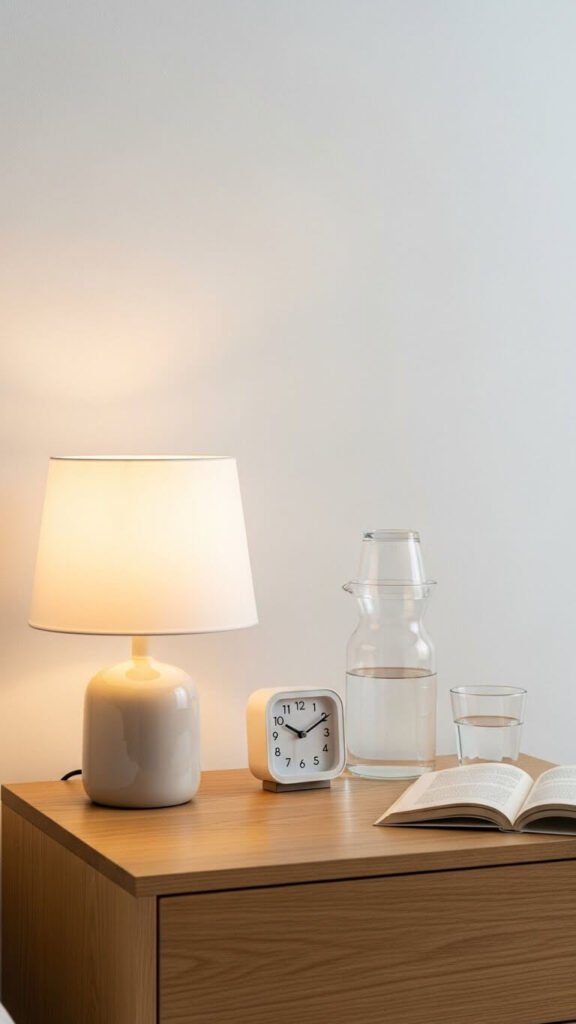
Cluttered nightstands stress you out. Keep only what you use nightly: lamp, book, water, phone charger. Add a small tray to corral items. Vintage stools or stacked books can replace traditional nightstands on a budget. Match nightstand height to your mattress top for easy reach. Cable clips keep cords tidy. Clear surfaces before bed—it takes 30 seconds and improves your morning mood. One drawer is perfect for hiding reading glasses and hand cream.
Introduce Metallics for Shine

All one metal looks flat. Mix brass, copper, and matte black in small doses. Swap drawer pulls for $3 each at hardware stores. Add a gold-framed mirror or metallic lamp base. These reflective surfaces bounce light around. Don’t overdo it—three metallic touches per room is plenty. Thrift stores have vintage brass candlesticks and trays. Spray paint old frames with metallic paint from Dollar Tree. This small investment adds sophistication without screaming for attention.
Create a Reading Nook
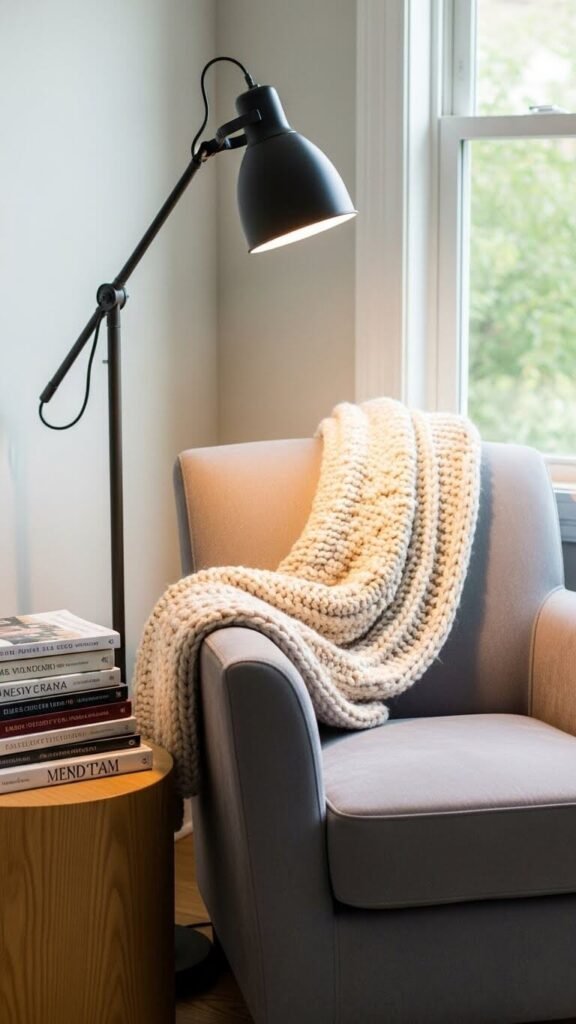
Every bedroom deserves a retreat spot. Place a comfortable chair near a window with a small table and lamp. Facebook Marketplace has chairs for $20-50. Add a throw blanket and pillow. This becomes your morning coffee spot or evening reading corner. Position the lamp behind your shoulder to prevent glare on pages. A basket beside the chair holds current books. This dedicated space encourages you to actually relax.
Maximize Your Closet Space
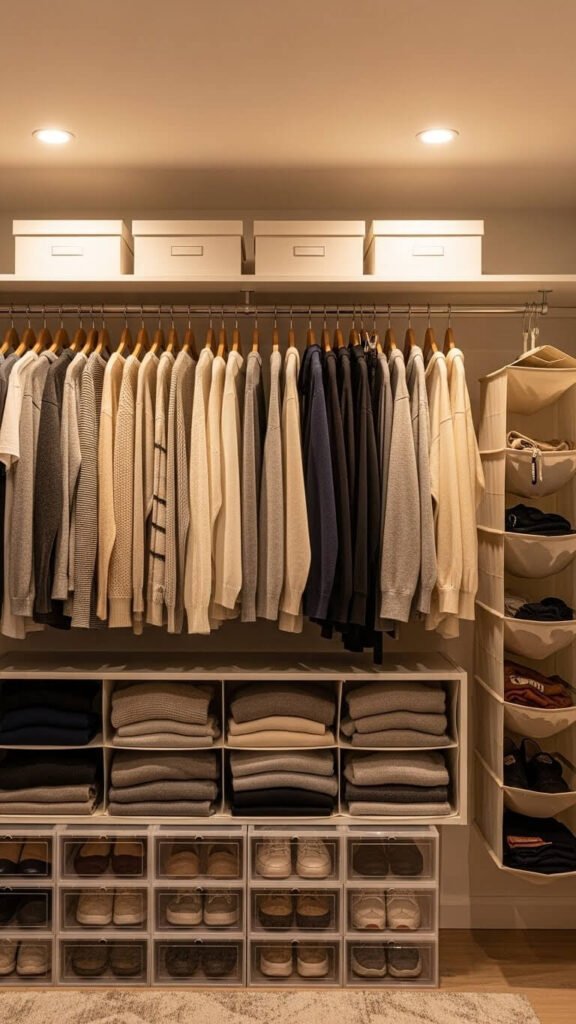
Messy closets leak stress into bedrooms. Use matching hangers—velvet ones prevent slipping and cost $20 for 50. Add a second hanging rod to double space. Shelf dividers keep folded items from toppling. Clear shoe boxes let you see what’s inside. Donate clothes you haven’t worn in a year. Store off-season items under the bed in flat bins. An organized closet makes getting dressed easier and keeps your bedroom calmer.
Add a Bench at the Foot of Your Bed
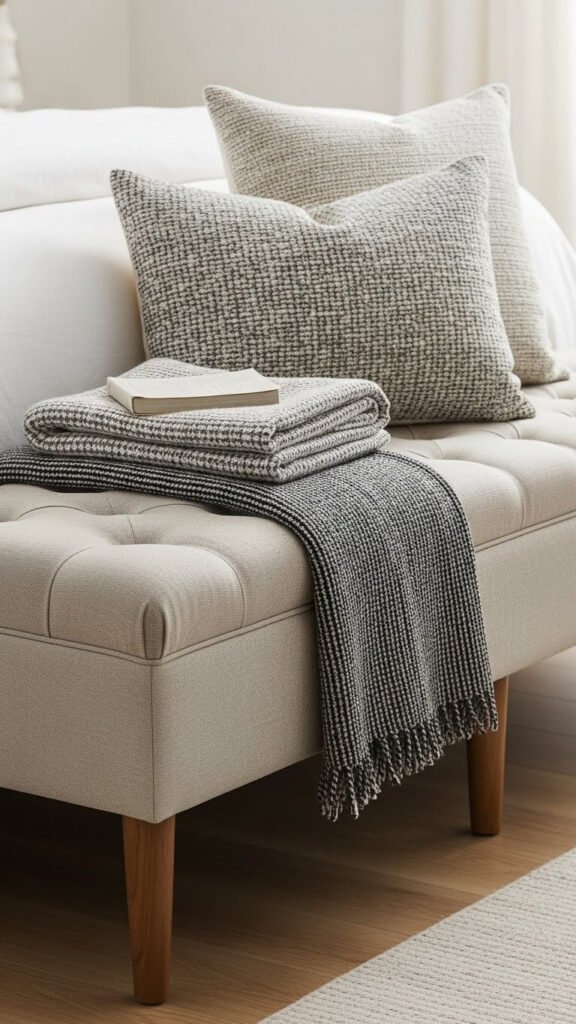
Benches solve the “where do I put these?” problem. They hold extra blankets, tomorrow’s outfit, or provide seating for putting on shoes. DIY one using storage cubes topped with plywood and a foam cushion covered in fabric. Staple fabric underneath. Total cost runs about $30 for a custom piece. Choose a bench 6-12 inches shorter than your bed width. This adds a layer of luxury hotels use. Plus, it keeps stuff off your floor.
Frame Your Windows with Style
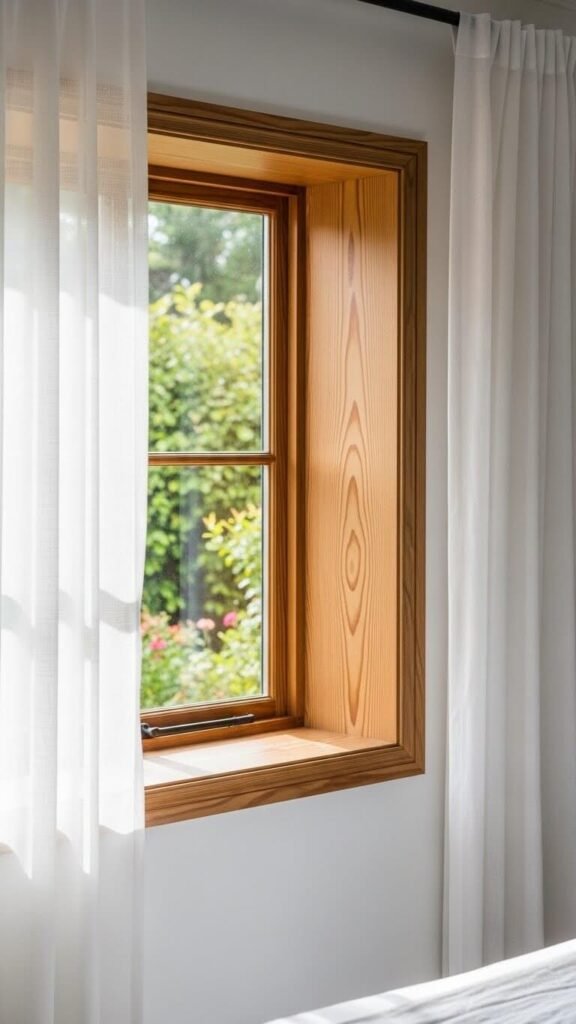
Windows need love too. Paint dated trim in fresh white or matte black. Remove heavy drapes if you have privacy. Roman shades offer a tailored look and come in blackout versions. Make your own using fabric and tension rods for under $25. Clean windows monthly—smudges dull natural light. Add window film for privacy without blocking sun. Consider plantation shutters if you own your home. Fresh window treatments completely change how light enters your space.
Style Your Dresser Like a Pro
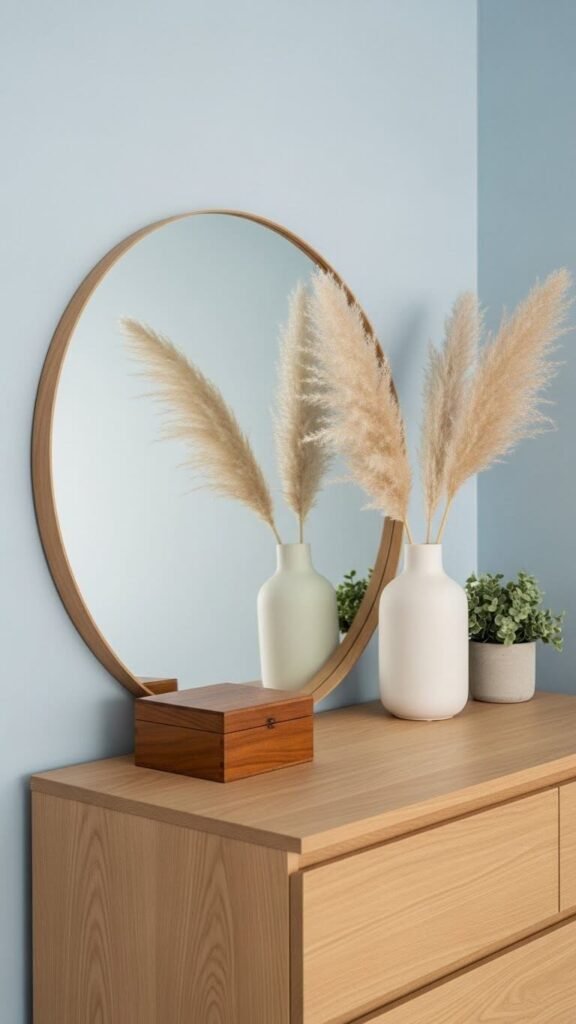
Dressers shouldn’t be dumping grounds. Create a triangle composition with three items: a mirror, a plant, and something tall like a vase. Vary heights and group objects. Use a decorative tray for jewelry and daily items. Keep 40% of the surface empty so it doesn’t look cluttered. Swap seasonal items—pussy willows in spring, pinecones in winter. This intentional styling takes five minutes but looks designer. Your room feels curated, not chaotic.
Embrace Symmetry for Balance

Symmetry feels calm. Flank your bed with matching nightstands and lamps. Hang art at equal heights on both sides. This mirrored approach works for traditional and modern styles. Even if pieces don’t match perfectly, similar heights create balance. Paint mismatched nightstands the same color for cohesion. This design principle requires no money—just rearrangement. Your brain processes symmetry as peaceful, helping you relax before sleep.
Introduce a Cozy Throw Blanket

Throws add warmth and visual interest. Drape one across the foot of your bed or over a chair. Chunky knits, faux fur, or waffle weaves work year-round. Don’t fold it perfectly—a casual drape looks inviting. Target’s Threshold line offers quality throws for $25. Choose colors that complement your bedding. Throws also provide an extra layer for cold nights without adding a heavy comforter. This simple addition photographs beautifully and actually gets used.
Use Mirrors to Expand Space
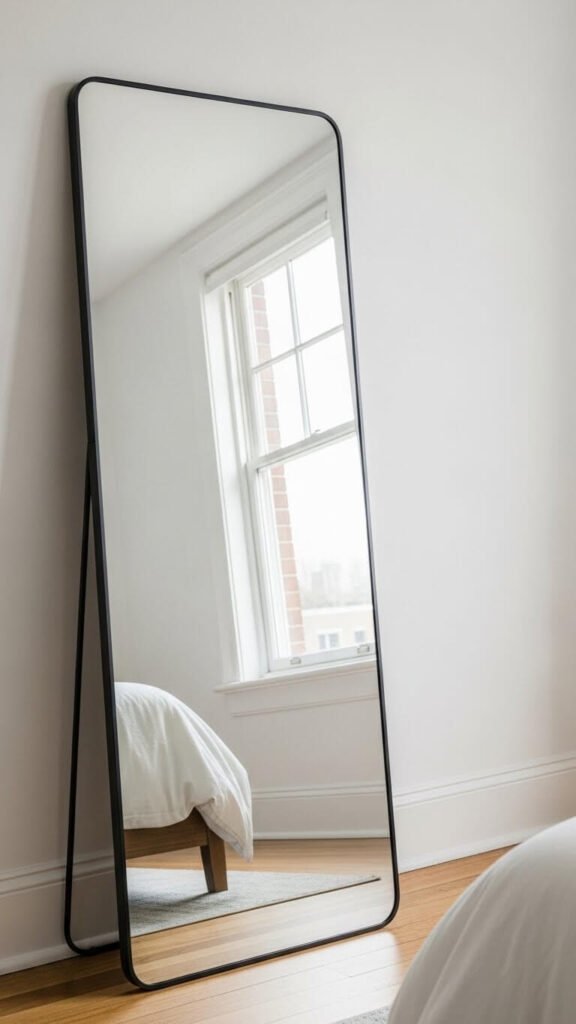
Mirrors make small rooms feel bigger. Lean a full-length mirror against a wall opposite your window to bounce light. This trick literally doubles your natural light. Find mirrors at thrift stores for $10-30. Hang a mirror above your dresser for function and light. Avoid placing mirrors directly facing your bed if it bothers you. Clean mirrors weekly with glass cleaner. The reflection creates depth and makes your room feel twice its actual size.
Choose a Cohesive Color Palette
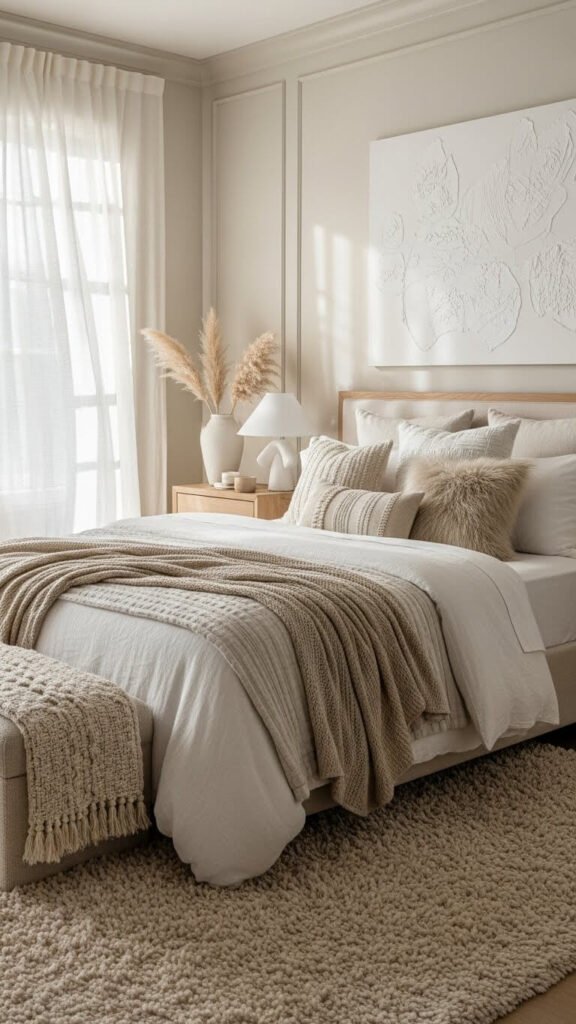
Too many colors create chaos. Pick three colors and stick to them throughout your room. Neutrals with one accent color work well. Pinterest boards help you visualize combinations before buying. Repeat your chosen colors in bedding, art, and accessories. This doesn’t mean everything matches—just that colors talk to each other. Paint samples on poster board show how colors look together. Cohesive palettes feel intentional and calm, even with budget furniture.
Maximize Under-Bed Storage

Don’t waste vertical space. Use shallow bins on wheels for off-season clothes, extra linens, or shoes. Measure your bed height first—containers should fit with 2 inches clearance. Label bins so you don’t forget what’s inside. Vacuum-sealed bags compress bulky items like winter coats. Bed risers add 6 inches of height if needed ($15 on Amazon). This hidden storage keeps surfaces clear and your room feeling spacious.
Install Statement Lighting

Ceiling fixtures don’t have to be boring. Swap builder-grade lights for pendant fixtures or chandeliers. Turn off the power first—safety matters. Many fixtures require only a screwdriver and come with instructions. Rentals can use plug-in swag lights that don’t require hardwiring. Wayfair and Amazon have options under $60. Choose a fixture that complements your style—modern, bohemian, or industrial. Overhead lighting sets the tone for your entire room.
Add Personal Touches That Matter
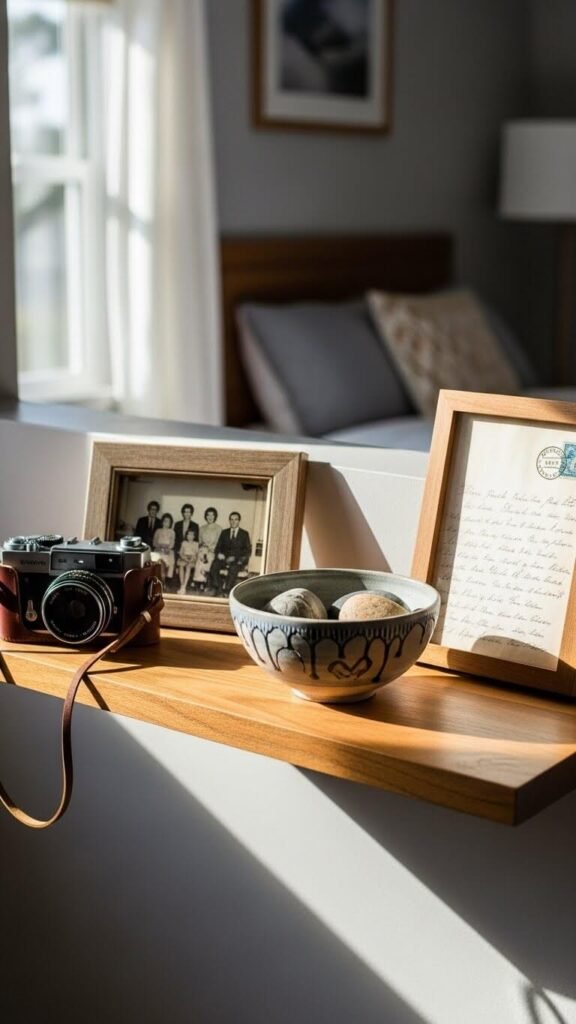
Your room should reflect you. Display souvenirs from trips, family photos, or artwork you’ve created. Frame concert tickets or postcards. These personal items make your space feel like home, not a showroom. Rotate items seasonally to keep things fresh. Create a small memory board with pushpins and favorite photos. This costs nothing but adds warmth generic decor can’t match. Your bedroom becomes your story.
Invest in Blackout Solutions

Light pollution ruins sleep. Add blackout curtains or cellular shades behind regular curtains. Amazon’s basics blackout panels cost $15 per panel. Measure your windows carefully—shades should overlap frames by 3 inches on each side. Mount inside or outside the frame depending on light gaps. Sleep masks work as a backup. Better sleep improves everything else in your life. This practical upgrade pays for itself in energy.
Create Zones in Open Layouts
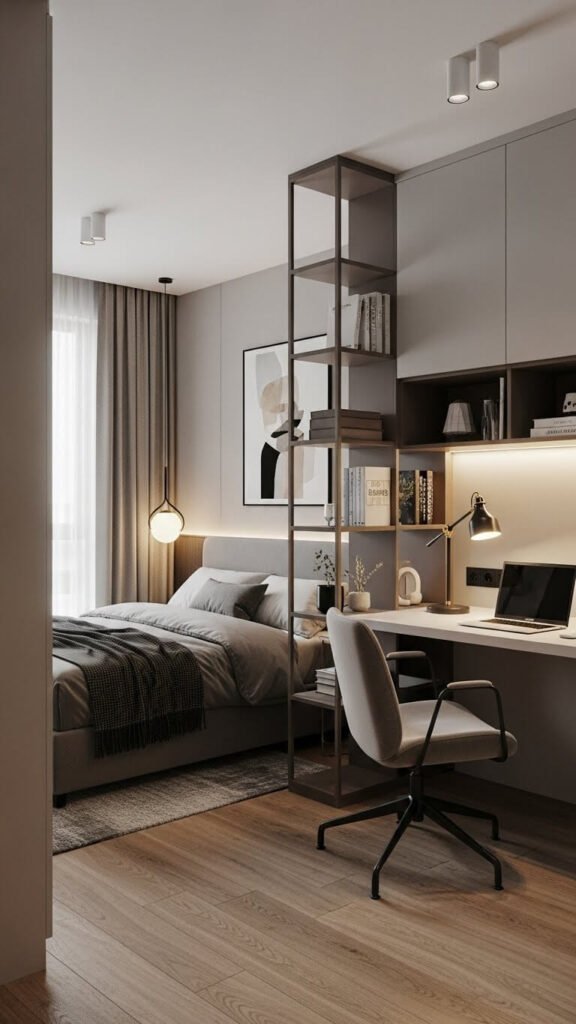
Studio dwellers need boundaries. Use rugs to define your sleep area. Position furniture at angles to create separation. A bookshelf can act as a room divider without blocking light. Different lighting for each zone signals different activities. Keep sleep areas clutter-free—no work materials visible. This mental separation improves rest quality. Even in small spaces, intentional zoning makes rooms feel organized and purposeful.
Refresh with Seasonal Swaps
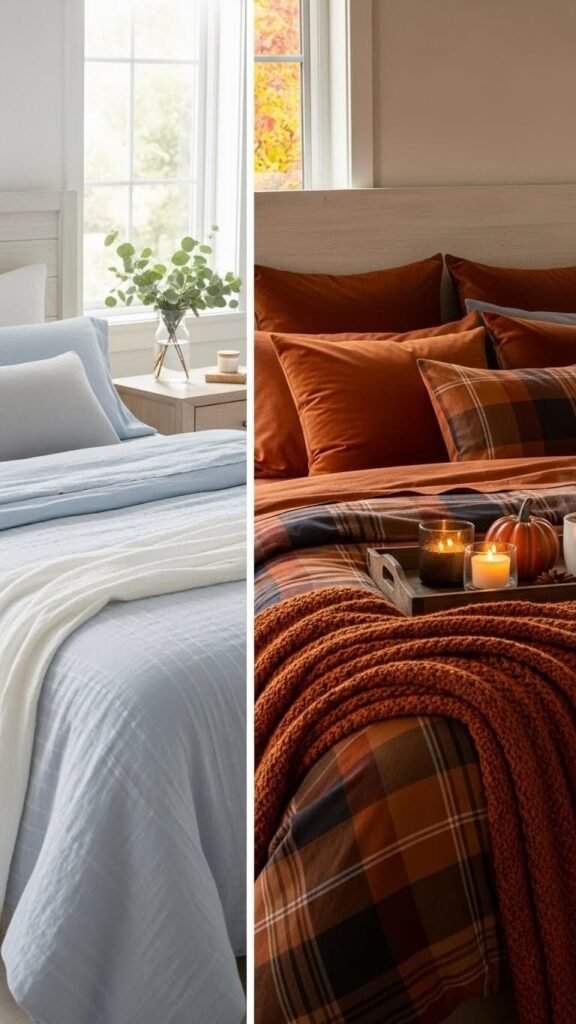
Change your room with the seasons. Swap heavy quilts for light coverlets in summer. Exchange flannel for linen. Add seasonal colors through pillows—sage in spring, terracotta in fall. These small changes cost nothing if you rotate existing items. Thrift stores stock seasonal decor for under $5. Fresh flowers or branches from your yard add free seasonal touches. This keeps your space feeling current and cared for throughout the year.
Conclusion
Your bedroom transformation doesn’t require thousands of dollars or professional help. Start with one or two ideas that excite you most. Maybe it’s finally hanging those curtains or adding a plant. Small changes build momentum. Focus on what actually improves your daily life—better sleep, easier mornings, a space you’re proud to show guests. Scroll back through these ideas and pick three to tackle this month. Your sleep space deserves the same attention you give to the rest of your home. Make it happen.