
Budget decor doesn’t mean cheap-looking rooms. The difference between bargain and beautiful comes down to smart choices, not big spending. High-end designers use the same tricks—they just charge thousands to implement them. You can create magazine-worthy spaces for hundreds instead. The secret lies in knowing where to save and where to splurge strategically. Paint, lighting, and thoughtful arrangement transform dollar store finds into designer moments. Texture, height variation, and edited displays make thrift store pieces look curated. Your budget limitations can actually force better design decisions—you’ll choose intentionally rather than impulse-buying. These 26 tricks prove that expensive-looking homes come from creativity and effort, not unlimited funds. Each strategy costs under $100, many under $20. Start implementing them today and watch your space transform into something that looks professionally designed.
Paint Everything One Color

Unified color instantly upgrades cheap furniture. Paint all your pieces the same shade—matte white, soft gray, or navy. The cohesion makes mismatched items look like intentional collections.
Buy budget furniture from thrift stores, Facebook Marketplace, or IKEA. Sand lightly and apply two coats of paint. Matte finishes hide imperfections better than glossy. The monochrome sophistication makes $20 pieces look $200. Change hardware to matching pulls for extra polish. This works on wood, laminate, or metal furniture. One quart of paint ($15) transforms multiple pieces. The unified palette creates professional designer looks without professional prices.
Add Crown Molding

Crown molding costs $1-$3 per linear foot. Installation takes a weekend. The architectural detail makes rooms look custom and expensive. Even basic profiles add sophistication.
Measure room perimeter and buy molding at hardware stores. Cut 45-degree angles for corners using a miter saw (rent for $40/day). Nail in place and caulk seams. Paint to match ceiling or walls. The architectural elegance transforms builder-grade rooms. Primed molding costs less than finished—paint it yourself. Watch YouTube tutorials for cutting techniques. One room costs $100-$200 in materials but adds serious perceived value. This is the single best budget upgrade for maximum impact.
Swap Out Hardware

Cabinet and door hardware costs $3-$8 per piece. Replacing basic builder knobs with quality pulls transforms kitchens and bathrooms instantly. The small detail makes huge visual impact.
Choose matte black, brass, or bronze finishes. Remove old hardware and measure hole spacing before buying replacements. Install new pieces using a screwdriver. The high-end finish makes IKEA or builder cabinets look custom. Mix knobs and pulls for variety—drawers get pulls, doors get knobs. One kitchen upgrade costs $80-$150 total but looks like a $5,000 renovation. This is where small spending creates big results. Coordinated hardware throughout your home creates cohesive luxury.
Use Oversized Art

Big art looks expensive regardless of price. One oversized piece beats a wall of small frames. Scale creates drama and sophistication. Prints cost $30-$100 framed.
Buy large prints from sites like Society6, Desenio, or Minted. Frame them simply in black, white, or natural wood. Hang at eye level—57-60 inches from floor to center. The gallery-scale presence makes rooms feel curated and complete. DIY versions work too—blow up personal photos or create abstract paintings yourself. A 40×60 inch canvas costs $60 and fills walls with confidence. Size matters more than subject. Go as large as your wall allows. The bold statement elevates entire rooms.
Layer Rugs

Designers always layer rugs. Buy an inexpensive natural fiber rug as your base ($80-$150). Top it with a smaller patterned rug ($40-$100). The combination looks custom and intentional.
Jute, sisal, or seagrass work as neutral foundations. Layer a vintage-style runner or colorful flat-weave on top. The dimensional luxury costs $120-$250 total but mimics thousand-dollar custom rugs. The texture combination adds depth and interest. This trick makes small accent rugs more impactful. Rotate the top rug seasonally while keeping the base constant. The layered look photographs beautifully and feels professionally designed.
Install Dimmer Switches
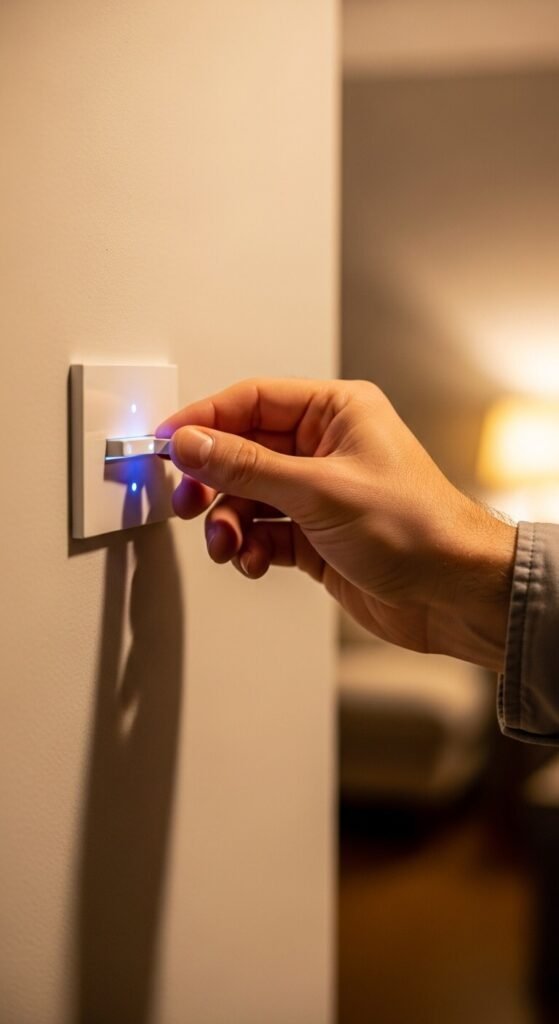
Dimmer switches cost $15-$25 each. Install them yourself in 20 minutes. Adjustable lighting creates ambiance that fixed switches can’t match. Restaurants use dimmers for good reason.
Turn off the breaker before starting. Remove old switch and connect dimmer wires following included instructions. The controllable mood lighting transforms rooms from utilitarian to luxurious. Use warm LED bulbs (2700K) for best results. Dim lights in evenings for instant coziness. Bright lights for tasks, low lights for relaxation. This small investment changes how rooms feel dramatically. Replace switches in living rooms, bedrooms, and dining rooms first. The ambiance upgrade is worth every penny.
Hang Curtains High and Wide
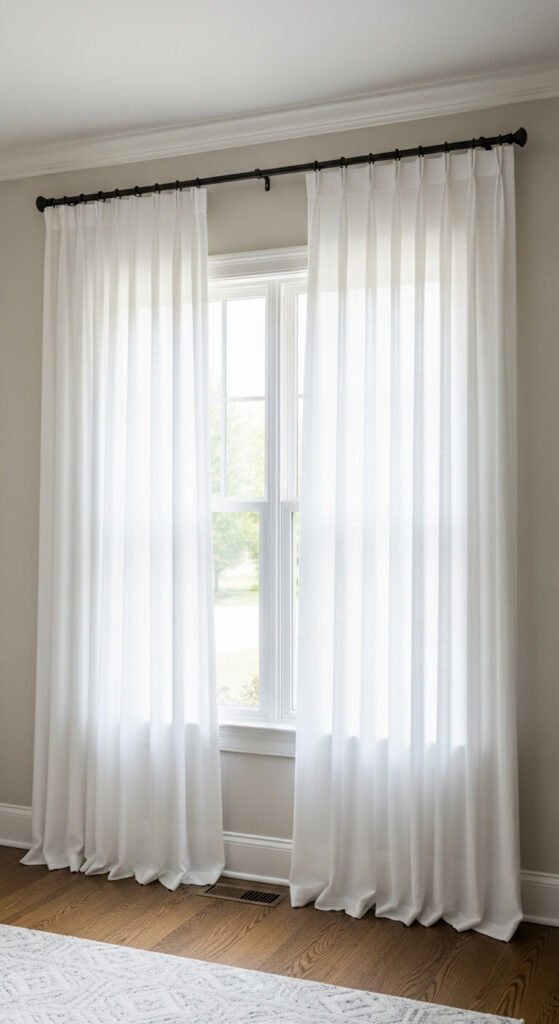
Mount curtain rods 4-6 inches below ceiling and 8-12 inches beyond window frames. This makes windows appear larger and ceilings taller. The placement trick costs nothing but changes proportions dramatically.
Buy basic white or neutral curtains from IKEA or Target ($20-$40 per panel). Mount rods using a drill and level. Let curtains puddle slightly on floors for luxury. The vertical emphasis makes rooms feel grand. Even cheap curtains look expensive when hung properly. This is pure placement magic. Avoid short curtains that stop at window sills—they shrink rooms visually. Floor-to-ceiling fabric creates elegance regardless of material quality.
Add Plants Everywhere

Plants cost $5-$30 each but look like luxury. Fill your home with greenery. The organic life makes spaces feel designed and intentional. Even fake plants work if they’re quality.
Buy plants from grocery stores or big box stores—same plants, lower prices than nurseries. Choose easy-care varieties like pothos, snake plants, or ZZ plants. Use simple white or terracotta pots. The living luxury improves air quality while looking expensive. Group plants in odd numbers for impact. Vary heights by using plant stands ($15-$30). One large floor plant makes statements for $40-$80. Plants are the most affordable decor that literally grows your investment.
Paint Ceilings

White ceilings are boring. Paint them soft blue, warm gray, or even black. The unexpected detail looks custom and expensive. One gallon of paint ($30-$40) transforms entire rooms.
Choose colors slightly darker than walls or go bold with deep shades. Use flat or matte finish to hide imperfections. The designer detail makes rooms feel taller and more interesting. Light blue ceilings mimic sky and feel airy. Dark ceilings add drama and coziness. This trick surprises guests—they notice something feels special without knowing why. Ceiling color is unexpected luxury that costs the same as wall paint.
Display Books Decoratively

Coffee table books look expensive even when bought secondhand. Stack them horizontally on tables, shelves, and ottomans. Top stacks with small objects—candles, plants, or sculptures.
Buy beautiful books at thrift stores for $2-$5 each. Choose large format with attractive covers. Photography, design, and art books work best. The casual sophistication makes rooms feel curated. Books add color, texture, and height variation. Stack 2-4 books maximum per pile. Mix vertical and horizontal arrangements on shelves. This is intellectual decor that actually serves function. Rotate books from your collection seasonally for variety.
Unify Frames

Buy basic frames in one color—black, white, or natural wood. Fill them with anything—photos, prints, fabric, or postcards. The matching frames make random art look intentional.
Dollar Tree sells frames for $1.25. IKEA offers them for $3-$8. Buy multiples in the same color. The coordinated presentation costs $20-$50 for entire gallery walls. Vary sizes but keep color consistent. This trick makes personal photos look museum-quality. You can change the art inside while frames stay constant. Professional framing costs $50-$200 per piece. DIY framing in bulk saves hundreds while looking equally polished.
Add Architectural Details With Paint
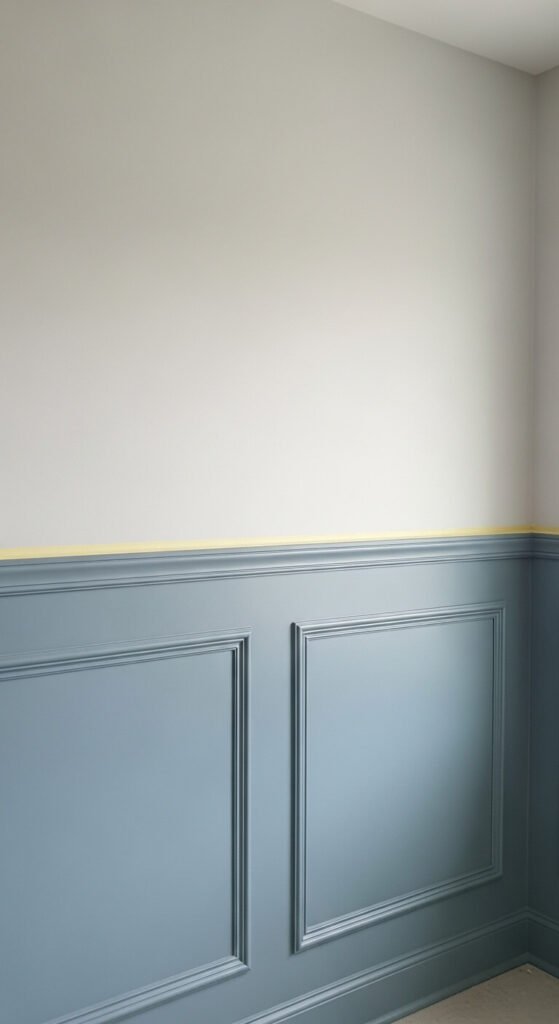
Create faux wainscoting, panels, or stripes using painter’s tape and different paint colors. The dimensional effect mimics expensive millwork for $40 in paint.
Tape off rectangles or horizontal lines on walls. Paint sections in contrasting or tonal colors. Remove tape when dry. The painted architecture adds depth and interest. This works especially well in dining rooms, bedrooms, or hallways. Use light and medium shades of the same color for subtle sophistication. Or try bold contrasts for drama. Watch tutorials for proper taping techniques. The patience required pays off in custom-looking walls.
Use Mirrors Strategically
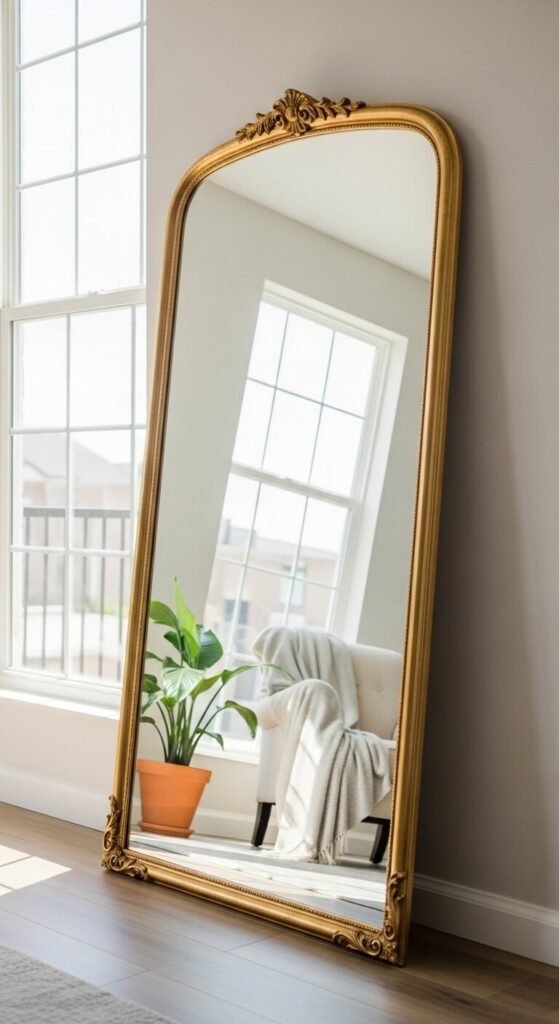
Mirrors double light and space. Position them opposite windows to reflect natural light. Lean large mirrors on floors against walls for casual elegance. No hanging required.
Buy mirrors at thrift stores, HomeGoods, or IKEA for $30-$100. The larger, the better. Lean them instead of hanging for relaxed sophistication. The light-reflecting luxury makes rooms feel twice as large. Mirrors also fill walls without needing multiple art pieces. Position across from lamps to amplify evening light. This is designer trickery at budget prices. One well-placed mirror transforms dark rooms into bright spaces.
Create Statement Lighting

Replace builder-grade fixtures with statement lights. Oversized pendants, sculptural chandeliers, or dramatic sconces create instant sophistication. One bold fixture costs $60-$150 but anchors entire rooms.
Shop Amazon, Wayfair, or IKEA for affordable statement lights. Choose simple geometric shapes in black, brass, or white. Install yourself or hire an electrician for $80-$120. The lighting centerpiece draws eyes upward and creates architectural interest. This single swap makes dining rooms, entryways, or bedrooms feel designer. Good lighting is where budget spending creates maximum impact. One special fixture beats ten mediocre ones.
Edit Your Collections

Display fewer items with more space between them. The restraint looks expensive and curated. Remove half your decorative objects. The remaining pieces gain importance.
Choose your favorite 2-3 items per surface. Store the rest. The edited sophistication mimics gallery displays. Negative space is luxury. Cluttered surfaces read as cheap regardless of item cost. This costs nothing—it’s pure discipline. Rotate displayed items seasonally using stored pieces. The breathing room makes each object noticeable. High-end homes show very few decorative items at once. Copy this principle for free luxury.
Add Texture Through Textiles
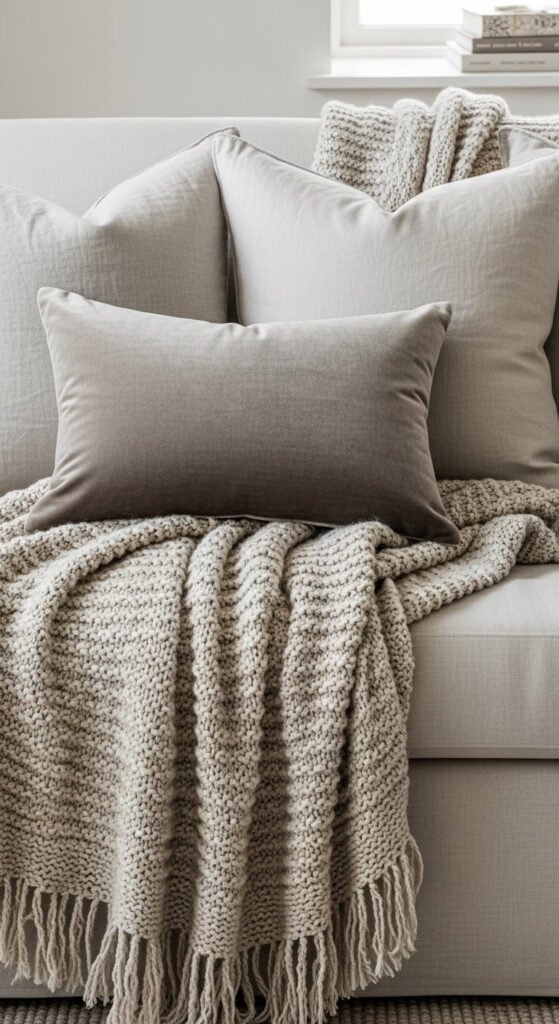
Mix smooth, nubby, and fluffy textiles. Combine linen, velvet, faux fur, and knits. The texture variety creates visual richness and physical comfort. This feels expensive to touch and see.
Buy textiles at HomeGoods, Target, or IKEA for $15-$40 per piece. Stick to neutral colors but vary textures. Smooth linen pillows, chunky knit throws, velvet cushions—the tactile luxury works in any budget. Touch matters as much as appearance. Layer 3-5 different textures in one seating area. The combination feels plush and considered. This is sensory richness that costs less than $100 total.
Paint Radiators and Pipes

Radiators and exposed pipes are eyesores. Paint them to match walls or make them bold features. The finished look is intentional rather than apologetic.
Use radiator paint or high-heat spray paint ($8-$12). Clean surfaces thoroughly first. Apply thin coats for smooth finish. The intentional integration makes budget heating elements look like design features. Paint them matte black for modern drama or the same color as walls to disappear. This small effort removes visual clutter. Homes feel more polished when all elements coordinate. Don’t ignore necessary fixtures—embrace them through paint.
Use Lucite or Glass Furniture
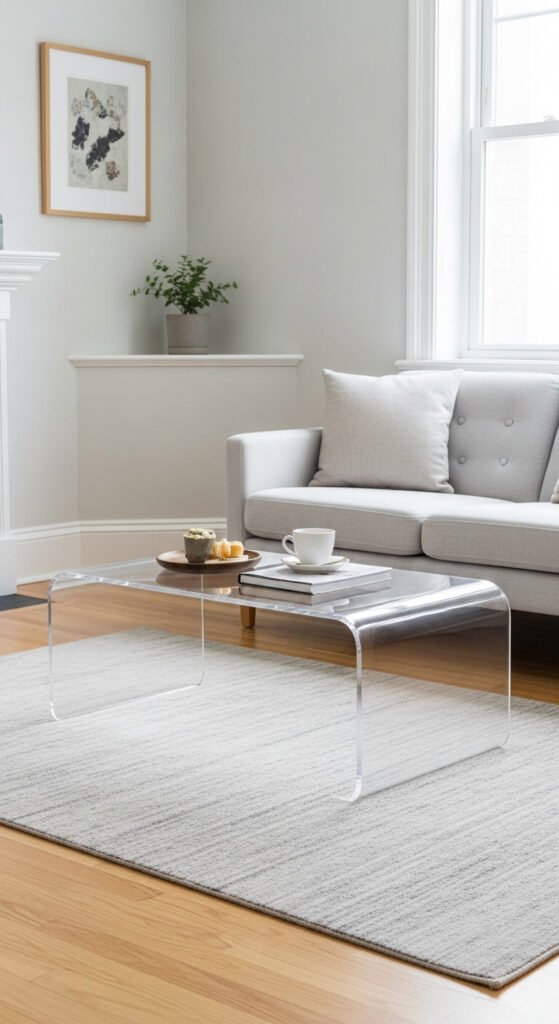
Acrylic furniture costs $80-$200 but makes rooms feel larger. The transparent material takes up physical space without visual weight. This is perfect for small homes.
Buy acrylic side tables, coffee tables, or chairs from Amazon or Wayfair. The invisible elegance tricks the eye into seeing more space. Glass works similarly but shows fingerprints more. Lucite or acrylic maintains the airy feeling while being practical. Use transparent furniture in living rooms, bedrooms, or home offices. The light passes through, making rooms feel open. This is spatial trickery at affordable prices.
Organize Closets Professionally

Matching hangers cost $15-$30 for a full closet. The coordinated look makes clothes look expensive. Organization equals luxury in closets.
Buy slim velvet or wooden hangers in bulk. Donate wire and plastic hangers. Arrange clothes by color within each category. The boutique presentation makes Target clothes look designer. Shoes line up neatly. Folded items stack uniformly. This is visual trickery—the organization suggests the contents are valuable. A well-organized closet feels like a luxury dressing room. The investment is minimal but the impact is massive.
Create Symmetry

Symmetrical arrangements look formal and expensive. Flank artwork with matching lamps. Center furniture on walls. Use pairs of everything. The balance creates sophistication.
Buy matching lamps, pillows, or plants in pairs. Center beds on walls. Position side tables equally on both sides. The formal balance suggests professional design. This is pure arrangement—it costs nothing beyond buying pairs. Symmetry feels intentional and controlled. High-end spaces use this principle constantly. Copy it for instant sophistication. Even budget items look expensive when arranged symmetrically.
Paint Interior Doors

White doors are boring. Paint them black, navy, or charcoal. The contrast creates architectural interest and modern sophistication. One gallon of paint ($30-$40) transforms all doors.
Use semi-gloss or satin finish for easy cleaning. Remove hardware before painting. Apply two coats with a small foam roller. The bold statement makes homes feel custom. Dark doors against light walls create frame effects, making rooms feel gallery-like. This unexpected detail photographs beautifully. Guests always notice and compliment. The contrast is inherently sophisticated.
Add Brass Accents

Brass accessories add warmth and luxury. Buy brass candle holders, trays, or frames for $10-$30 each. Scatter them throughout rooms. The warm metal reads as expensive.
Mix brass with other metals or use it exclusively. The golden warmth elevates neutral spaces. Brass looks more expensive than chrome or silver. Buy pieces at HomeGoods, Target, or thrift stores. Polish them or leave them tarnished—both work. The consistent metallic thread ties rooms together. This is affordable luxury that catches light beautifully. Even small brass doses create richness.
Use White Bedding

All-white bedding looks expensive and hotel-like. Buy white sheets and duvet covers from Target or IKEA for $40-$80 total. The clean palette feels luxurious.
Choose varying textures—smooth percale sheets, textured duvet, embroidered shams. The monochrome luxury works in any bedroom. White hides in plain sight while feeling special. Add colored throws or pillows for personality. The white base stays constant through style changes. Bleach whites monthly to maintain brightness. Hotel rooms use white for good reason—it’s universally appealing and suggests cleanliness and luxury.
Install Floating Shelves

Floating shelves cost $15-$30 each. Install them yourself using a level and stud finder. The clean-lined storage looks custom and built-in. Display items minimally.
Choose white, black, or natural wood. Mount in kitchens, living rooms, or bathrooms. Display 2-3 items per shelf maximum. The architectural storage creates modern sophistication. Use them instead of bulky furniture. The floating appearance is inherently sleek. This is where small hardware investment creates big visual impact. Install multiple shelves at varying heights for gallery effects.
Conceal Cords and Clutter
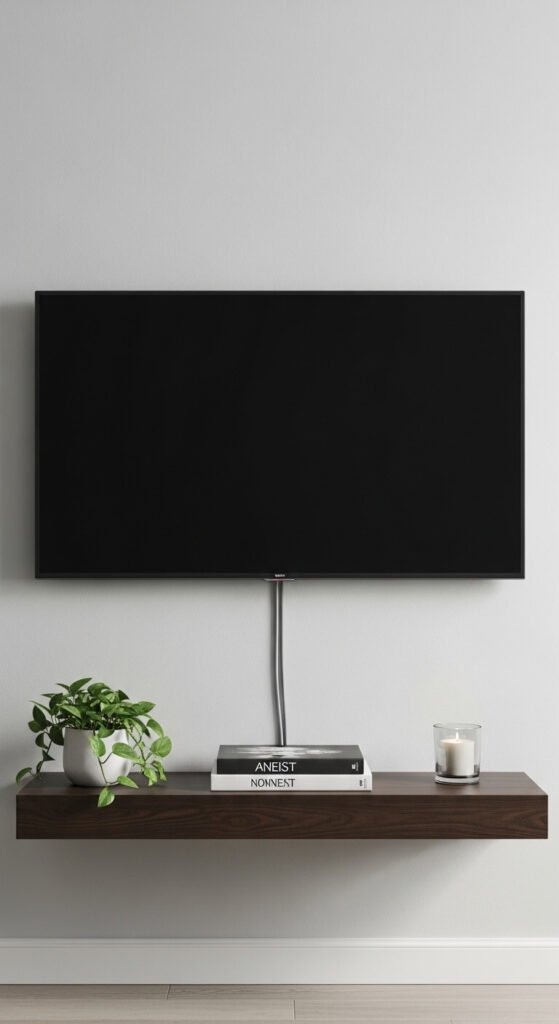
Visible cords ruin expensive looks. Hide them behind furniture, inside cord covers, or through walls. The clean appearance instantly upgrades rooms.
Buy cord covers for $8-$15 or drill holes behind TVs to run cords inside walls. Zip-tie bundled cords together. The polished finish makes technology disappear. Clutter-free surfaces and hidden wires read as expensive. Label charging cords inside drawers. Use cable boxes ($15-$25) to hide power strips. This organizing effort makes rooms look professionally installed. The time investment is worth the clean results.
Conclusion
These 26 tricks prove expensive-looking homes come from smart choices, not big budgets. Start with three changes this week—maybe paint, new hardware, and higher curtains. Notice how those shifts change your space’s entire feel. The secret is knowing what creates impact. Paint transforms for pennies. Good lighting changes everything. Strategic arrangements make budget items look curated. You don’t need designer income to create designer looks. You need attention to detail, willingness to DIY, and understanding of what makes spaces feel luxurious. Every trick here costs under $100, many under $20. The cumulative effect is dramatic. Your home can look like a magazine spread on a Craigslist budget. Stop waiting for more money to create beautiful spaces. Use these strategies now. Implement them gradually or tackle them all at once. Either way, you’ll build a home that looks far more expensive than its actual cost. That’s the ultimate budget decorating success.