
Vintage decor tells stories modern pieces can’t. Each flea market find, thrift store treasure, and estate sale discovery carries history, craftsmanship, and soul. These pieces weren’t mass-produced in factories—they were built to last generations. When you bring vintage items into your home, you’re adding layers of character that instant gratification can’t buy. You’re also shopping sustainably and saving money. A $15 vintage mirror often beats a $150 new one in quality and beauty. The hunt becomes part of the joy. Whether you’re drawn to mid-century modern, farmhouse charm, or eclectic bohemian style, vintage pieces adapt and anchor your space. Here are 25 finds that transform any room from ordinary to unforgettable.
Vintage Brass Candlesticks
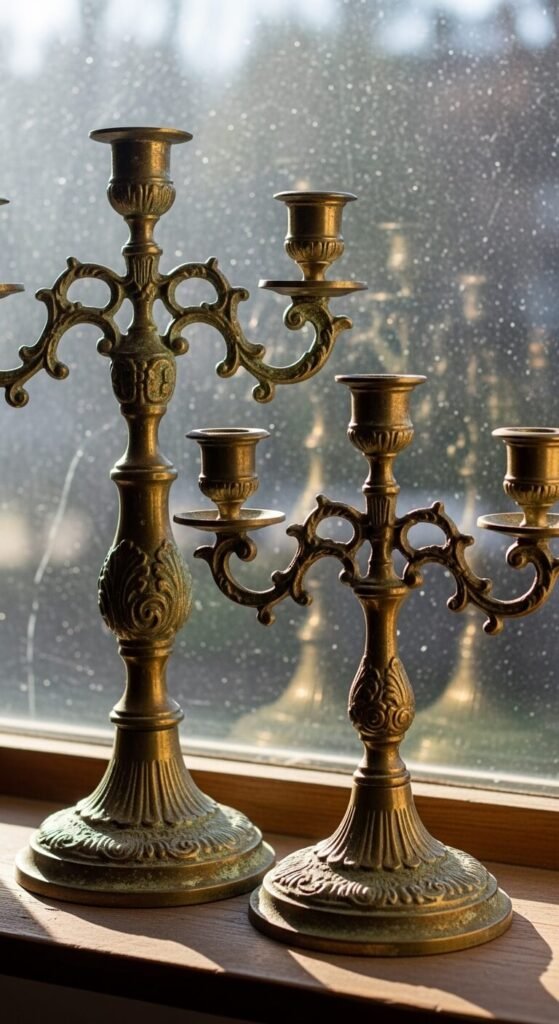
Brass candlesticks from the 60s and 70s pop up at every thrift store for $3-$8 each. The tarnish is the beauty—don’t polish them completely. That patina adds warmth and authenticity.
Mix different heights on your mantel or dining table. Pair them with simple white candles. The contrast between old brass and clean wax is perfect. If you prefer shine, use ketchup as a natural polish. Rub it on, let it sit five minutes, rinse. The acid cuts through tarnish without harsh chemicals. Display candlesticks in odd numbers—three or five looks more intentional than pairs. These pieces work with any style from farmhouse to modern. Instant ambiance for pocket change.
Antique Wooden Ladders
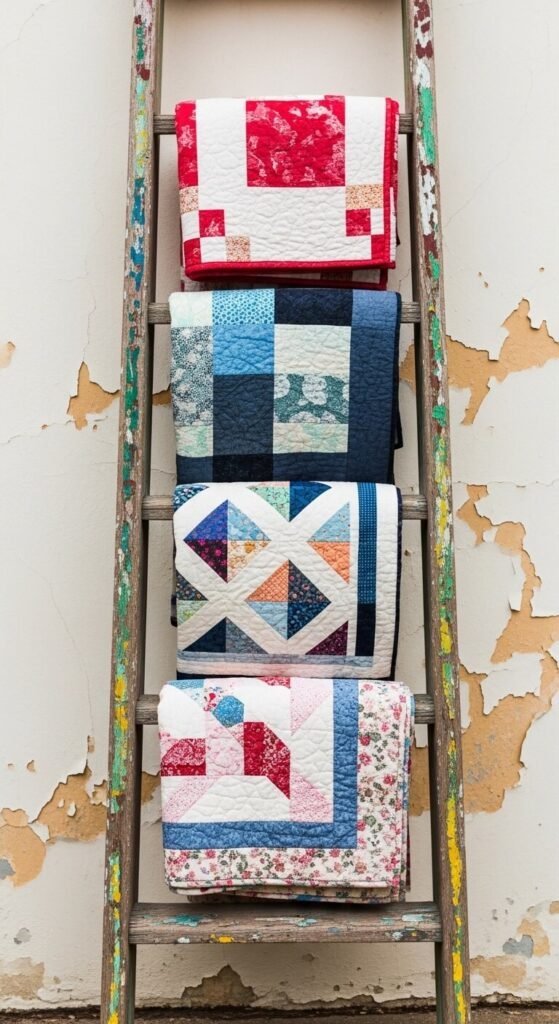
Old ladders make perfect blanket displays or plant stands. Look for them at barn sales and antique markets for $20-$40. The more paint-chipped and worn, the better.
Lean one in your living room corner with throws draped over rungs. Use another in the bathroom for towel storage. Sand rough edges for safety but keep the distressed finish. You can also lay a ladder horizontally on brackets to create unique shelving. Add potted plants or books between rungs. The rustic texture brings warmth to modern spaces. These aren’t just decorative—they’re functional storage that takes up minimal floor space. Look for sturdy construction. Shake it before buying to make sure joints are solid.
Vintage Mirrors with Ornate Frames
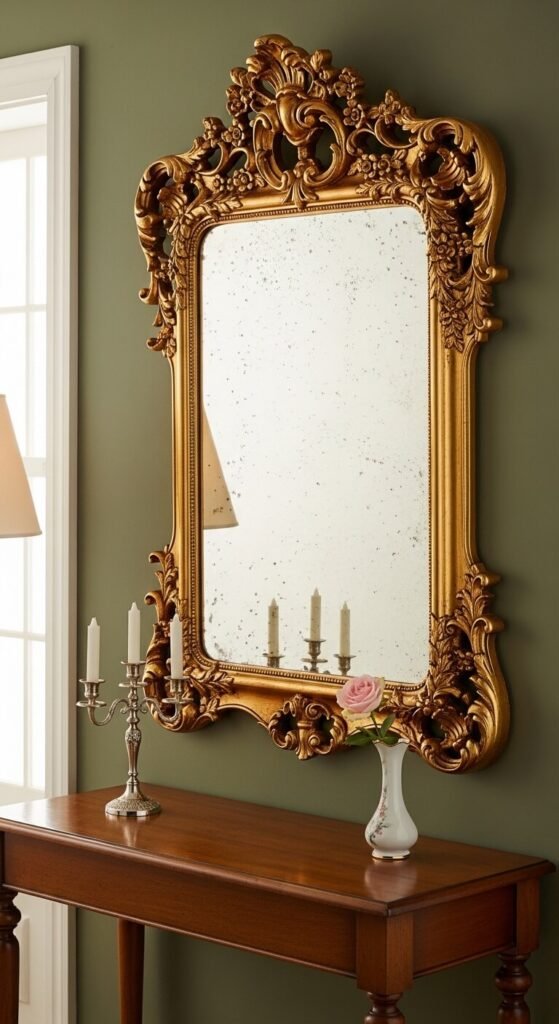
Forget builder-grade mirrors. Vintage frames from the 40s through 70s have details you can’t find new. Estate sales and Goodwill price them $10-$50 depending on size.
The glass might have slight imperfections or silvering issues. That’s part of the charm. Hang them in entryways, bedrooms, or bathrooms. The ornate frame makes the mirror a focal point, not just a functional item. If the finish is too shiny gold, dry brush white or cream paint over raised details for a softer look. Let some gold peek through. Clean the glass with vinegar and newspaper for streak-free shine. These mirrors reflect light and make small spaces feel larger while adding architectural interest.
Mid-Century Record Cabinets

Record cabinets from the 50s and 60s are everywhere at estate sales. They’re solid wood—usually walnut or teak—and run $50-$150. People often underprice them because vinyl isn’t their thing.
Use them as TV stands, bar cabinets, or entryway storage. The compartments fit modern electronics perfectly. Clean the wood with Murphy’s Oil Soap. Replace missing hardware at any home store for under $10. These pieces anchor a room with their low profile and clean lines. They work in any style because the design is simple and functional. Stack books inside. Store blankets. Display plants on top. The rich wood tones add warmth without competing with your existing furniture. Built to last literally a lifetime.
Ceramic Crocks and Stoneware

Stoneware crocks with blue stamps cost $5-$25 at antique shops. They’re heavy, durable, and perfect for holding kitchen utensils, flowers, or bathroom supplies.
Look for pieces without cracks. Small chips add character. The cobalt blue designs—flowers, birds, numbers—make each piece unique. Use large crocks as umbrella stands. Medium ones hold wooden spoons on your counter. Small ones work as planters. No drainage holes? Add rocks at the bottom before soil. These pieces mix well with modern decor because their simple shapes and neutral tones ground a space. Stack different sizes on open shelving. The varied blues create visual interest without pattern overload.
Vintage Suitcases for Storage

Old suitcases stack beautifully and hide clutter. Thrift stores sell them for $8-$20 each. Hard-shell cases and leather ones both work—choose what fits your style.
Stack two or three beside your bed as a nightstand. Store out-of-season clothes inside. Use a single case under a console table for shoe storage. The exterior becomes the decor. Clean leather with saddle soap. Wipe hard cases with warm soapy water. If latches are broken, remove them and add velcro closures inside. Display suitcases open on shelves to show pretty linings. Fill with books or blankets. The travel-worn aesthetic brings wanderlust and history into your space for almost nothing.
Antique Cutting Boards and Breadboards
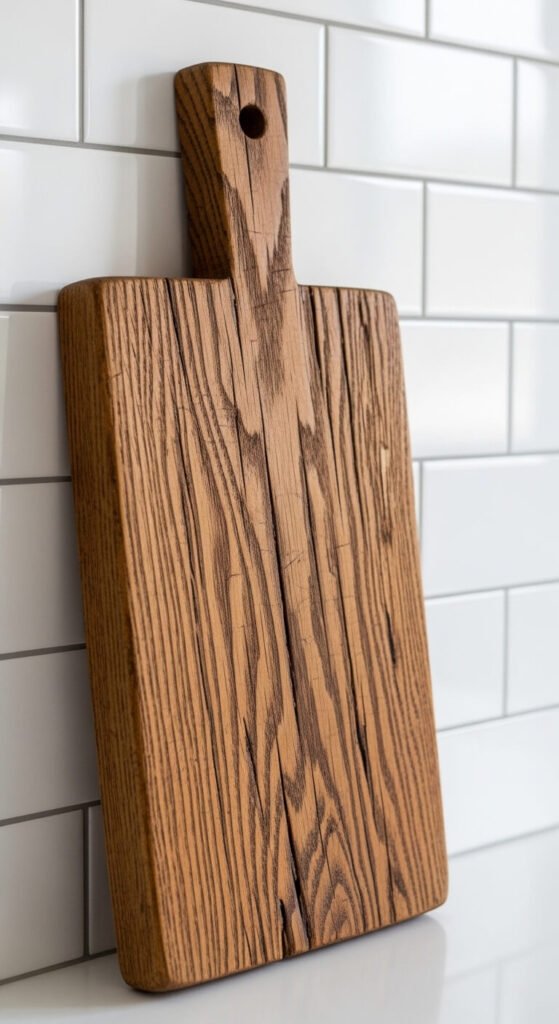
Thick wooden cutting boards from the early 1900s surface at estate sales for $10-$30. They’re gorgeous displayed vertically on counters or hung on walls.
The knife marks and stains tell stories. Don’t sand them out. Condition the wood with mineral oil monthly. These boards are too beautiful to hide in drawers. Lean several against your kitchen backsplash. Hang one on the wall using its original hole. Use them for serving cheese and crackers when guests visit. The depth and weight of old wood beats anything made today. Look for boards without cracks or splits. The darker the patina, the more character. Kitchen art that’s actually functional.
Vintage Glass Bottles and Jars
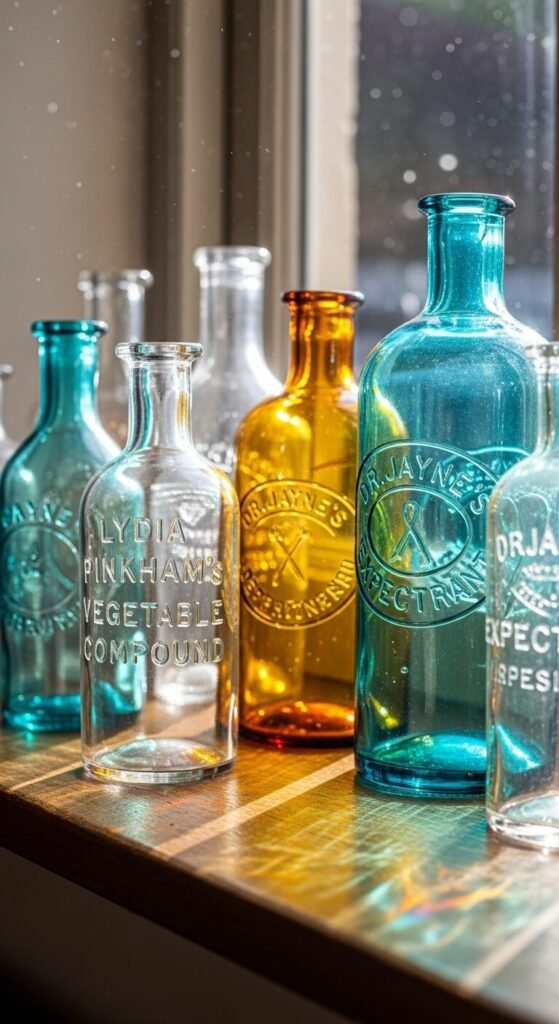
Old medicine bottles, milk bottles, and mason jars cost $1-$5 at flea markets. The glass has bubbles and imperfections that catch light beautifully. Aqua and amber colors are especially pretty.
Line them on windowsills where sun shines through. Use as bud vases—one stem per bottle. Group different heights together. The colored glass adds subtle color without painting walls. Clean bottles with denture tablets. Fill with water, drop in a tablet, let it fizz, rinse. This removes decades of grime safely. Display bottles on floating shelves. Fill some with fairy lights for soft evening glow. The vintage glass refracts light differently than modern pieces. Cheap, beautiful, and endlessly collectible.
Weathered Picture Frames
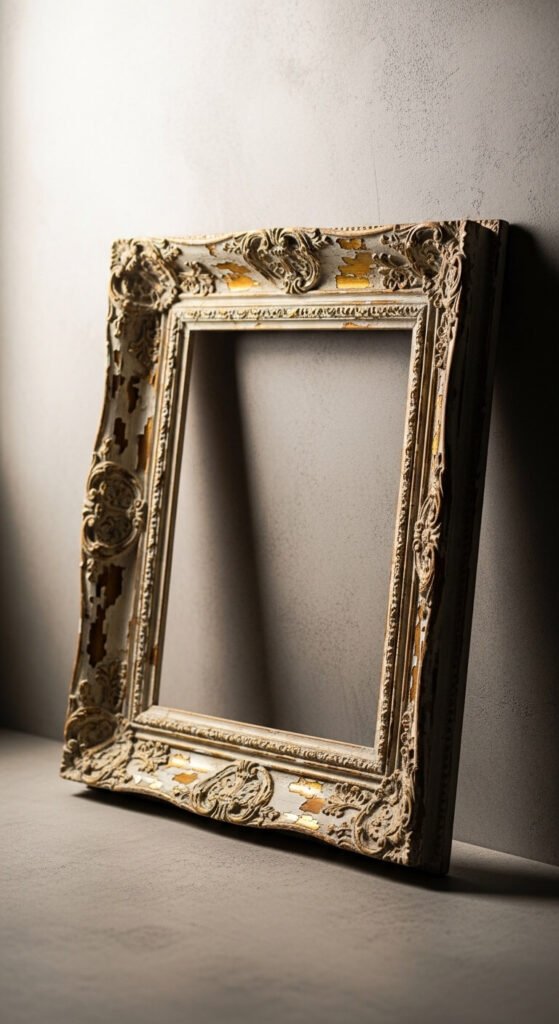
Buy frames, ditch the outdated art inside. Garage sales price them $2-$10. The frame is what matters. Chippy paint, carved details, interesting shapes—these add character.
Reframe your own photos or prints. Or hang empty frames as sculptural elements. A wall of mismatched vintage frames in similar colors creates gallery impact for under $50 total. Paint them all the same color if you want cohesion, or leave them as-is for eclectic charm. Back frames with mirrors, fabric, or cork board. Spray paint thrift store frames matte black for modern contrast. The weight and detailing of old frames beats lightweight plastic ones. Even damaged corners add to the story. Frame your memories in something with history.
Enamelware and Graniteware
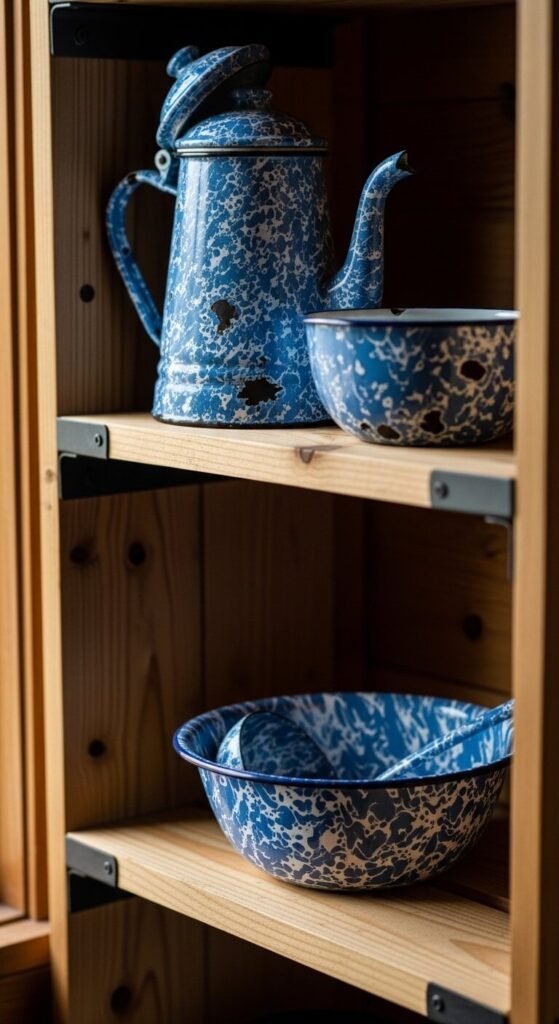
Speckled enamelware in blues, reds, and greens runs $5-$15 per piece. It’s durable metal coated in enamel, originally made for camping and farmhouse kitchens.
Use pieces decoratively even if they have chips—that’s the appeal. Display enamel coffee pots on shelves. Store utensils in enamel pitchers. Use bowls for fruit on the counter. The speckled pattern hides imperfections and adds texture. Clean with baking soda paste for stubborn stains. These pieces bring farmhouse warmth without trying too hard. They’re practical enough to actually use and pretty enough to leave out. Mix different colors or stick to one shade. The vintage enamel coating creates depth modern finishes can’t match.
Old Wooden Crates and Boxes

Wooden fruit and soda crates sell for $10-$25 at antique markets. They’re solid construction with great branding and graphics. Stack them for instant shelving or use individually.
Turn a crate on its side for a nightstand. Stack four in a square for a coffee table—add a glass top if you want a smooth surface. Use them in closets to organize shoes or sweaters. The open construction lets you see contents while adding rustic texture. Sand any rough splinters but keep the distressed finish. Some crates have metal corners or handles—leave those for authenticity. Paint them if you want, but the natural wood patina is usually best. Free-standing storage that moves when your needs change.
Vintage Architectural Salvage
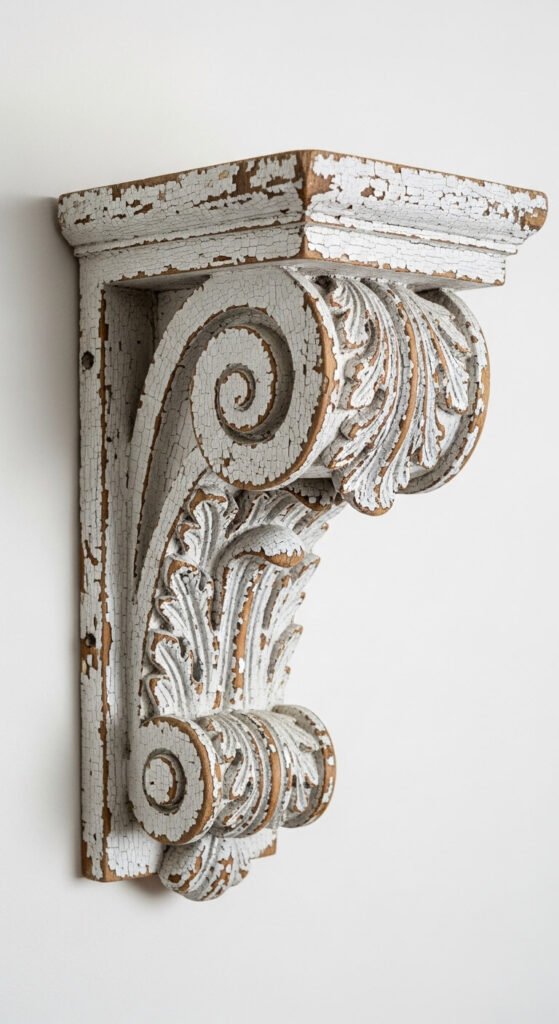
Salvage yards and antique shops sell corbels, shutters, and molding pieces for $15-$60. These architectural fragments become art when removed from their original context.
Mount corbels as shelf brackets. Hang shutters as wall decor or use them as room dividers. Old ceiling tiles make beautiful headboards. Look for pieces with interesting shapes or details. Paint them to match your walls or leave as-is. A single corbel can support a small shelf in a bathroom for toiletries. Pair two for a longer shelf in your kitchen. The three-dimensional quality adds depth to flat walls. These pieces were hand-crafted, not factory made. That artisan quality shows. Clean them gently and let imperfections remain.
Woven Baskets of All Sizes
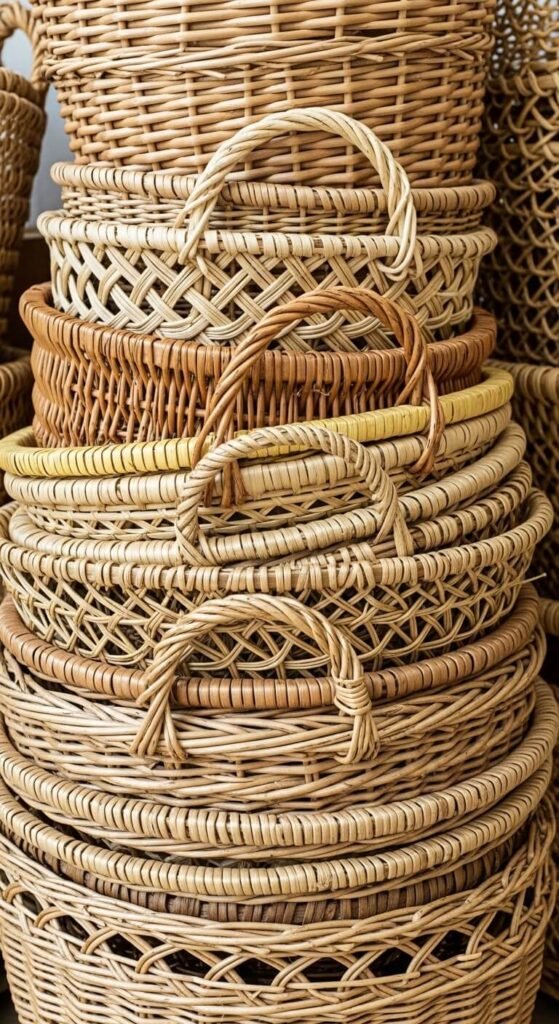
Baskets never go out of style. Vintage ones from the 60s-80s have tighter weaves and better construction than new ones. Thrift stores price them $3-$12.
Use baskets everywhere. Under sinks for cleaning supplies. On shelves for magazines. In closets for accessories. Near the door for shoes. The natural texture softens modern spaces and hides clutter beautifully. Look for tight weaves without unraveling. A little dust wipes away easily. Baskets add warmth and organization without looking like plastic storage bins. Spray paint them if you want color, but natural tones work with everything. Different shapes and sizes nest together. Functional beauty that costs almost nothing.
Vintage Textiles and Linens
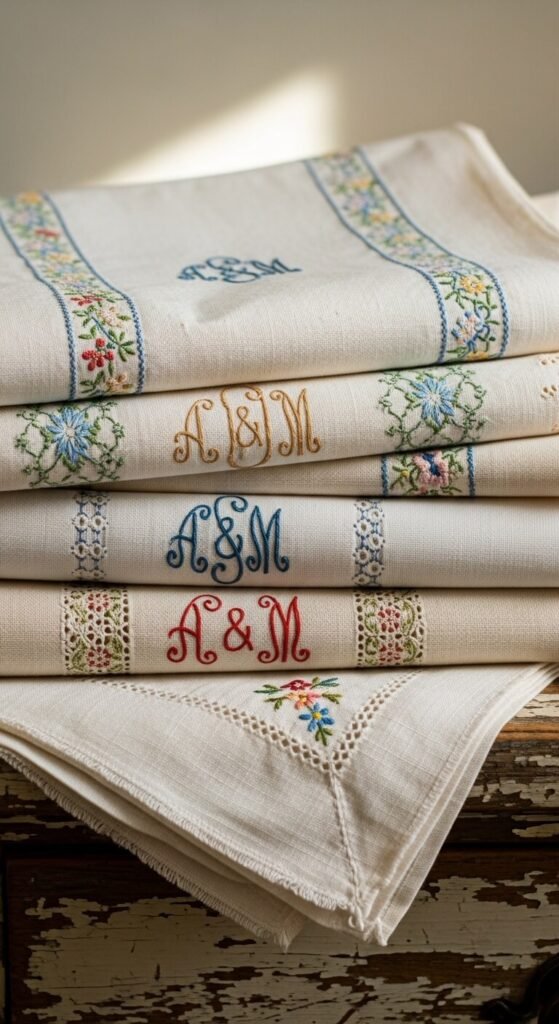
Hand-embroidered tablecloths, tea towels, and napkins sell for $5-$20 at estate sales. The stitching is incredible—hours of handwork you can’t buy new.
Frame small embroidered pieces as art. Use vintage napkins as dish towels—they’re more absorbent than new ones. Drape a tablecloth over a side table. The slight yellowing and wrinkles prove they’re real vintage. Soak yellowed linens in OxiClean and sunshine to brighten naturally. Hang them outside on a sunny day after soaking. Don’t expect perfection—small stains are acceptable. These textiles bring softness and craftsmanship into your home. The imperfections show they were loved and used. Display them proudly.
Mid-Century Ceramic Planters
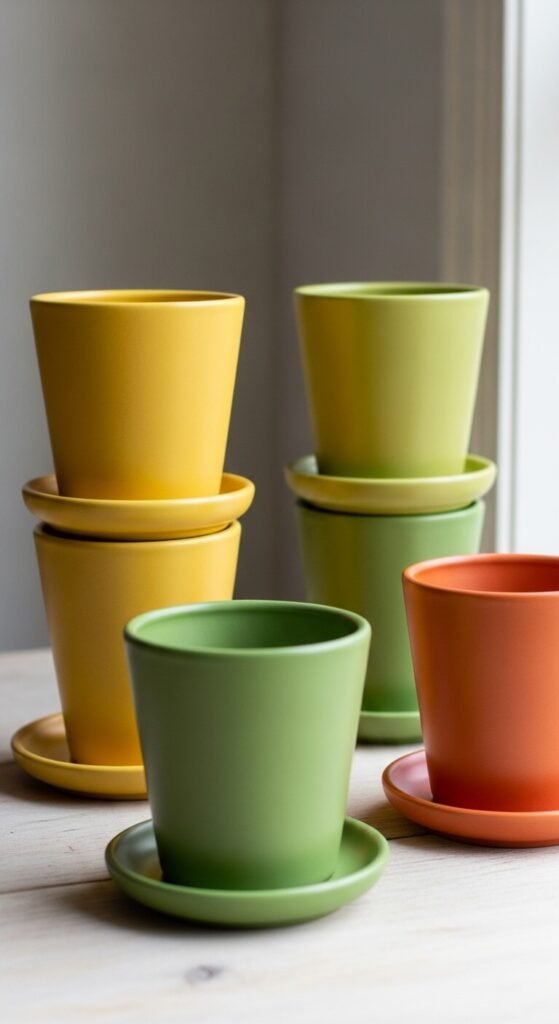
Ceramic planters from the 60s and 70s come in amazing colors—harvest gold, avocado, burnt orange. Thrift stores price them $4-$15. The attached saucers make them extra functional.
These planters add personality without trying. Use them for actual plants or as decorative bowls. The retro colors warm up neutral rooms. Group three different sizes together on a shelf. Mix eras—put a modern plant in a vintage pot. The contrast is appealing. Check for cracks before buying. Small chips are fine. Clean with dish soap and water. If drainage is poor, add pebbles at the bottom. These planters prove vintage color works in contemporary spaces.
Antique Ironstone and White Dishes

Ironstone dishes from the 1800s and early 1900s are sturdy and beautiful. Estate sales sell individual pieces for $3-$8. The creamy white glaze has depth modern dishes lack.
Use them daily or display them. The crazing (tiny cracks in the glaze) is normal and adds character. Mix ironstone with your regular dishes. Use platters as wall art—hang them with plate hangers. Stack pieces on open shelving in the kitchen. The neutral color works with any style. These dishes have survived a century of use. They’ll survive your dishwasher, though handwashing preserves them better. Chip-free pieces are getting rare, so accept small imperfections. The weight and simplicity of ironstone brings everyday elegance to your table.
Vintage Bar Carts and Trolleys
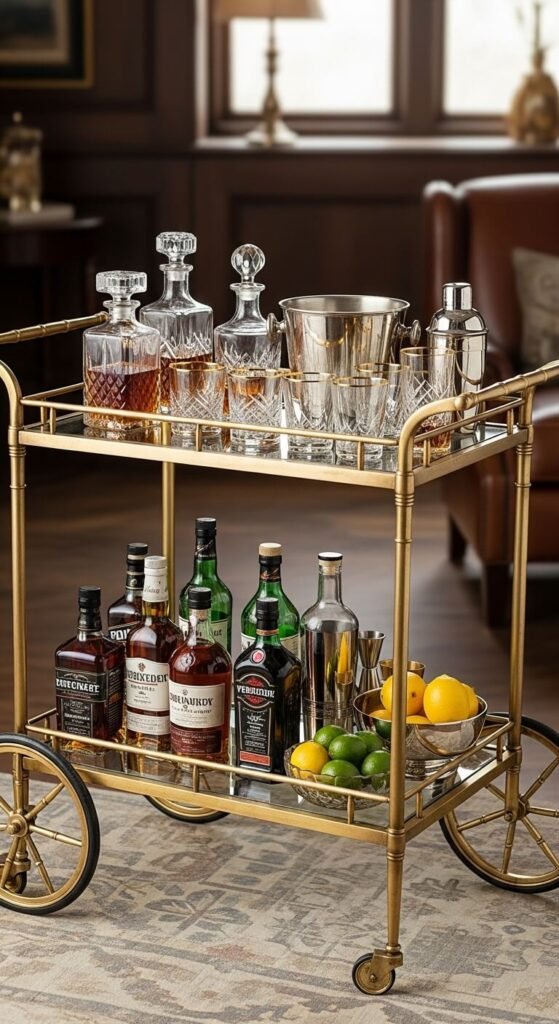
Bar carts from the 70s are back in style. Find them for $40-$100 at estate sales and online. Brass, chrome, and wood versions all work. Two-tiered carts offer maximum function.
Use them in dining rooms for drinks, in bathrooms for towels and toiletries, or in home offices for supplies. The mobility is handy. Wheels let you move them around for parties or cleaning. Polish metal parts or leave them tarnished. Replace missing casters at hardware stores for $8. Style the cart with bottles, plants, or books. The reflective surfaces and open construction keep it from feeling heavy. These pieces add instant sophistication and practical storage.
Old Metal Tins and Containers

Advertising tins, cookie tins, and storage containers cost $3-$10. The graphics are amazing—true pieces of commercial art history. Rust and dents add authenticity.
Use tins to organize desk supplies, craft materials, or bathroom items. The colorful designs eliminate the need for labels. Stack them on shelves for visible storage. Large tins hold mail or magazines. Small ones corral rubber bands and paper clips. Light surface rust is fine—wipe with a damp cloth. Deep rust might stain contents, so line those tins with fabric or paper. These containers bring pop art vibes without spending gallery prices. Bonus: they’re actually useful.
Vintage Glassware and Stemware
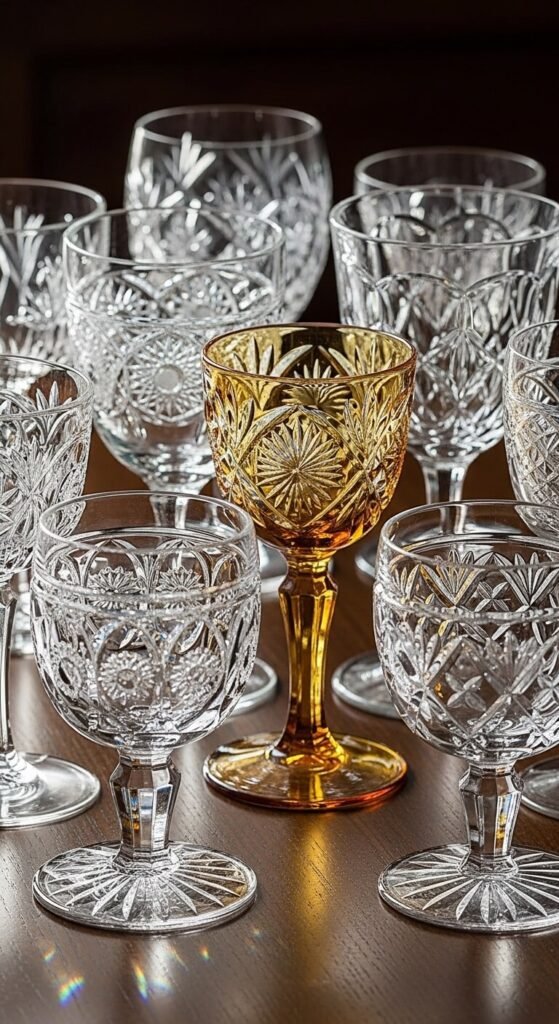
Colored glass, etched patterns, cut crystal—vintage glassware has details that make drinking water feel special. Thrift stores sell individual pieces for $1-$4.
You don’t need a matching set. Collect pieces you love. Mix pink Depression glass with amber goblets. Use vintage glasses for actual drinks or display them on glass shelves where light shines through. The weight of old glass feels substantial. Hand-wash vintage pieces to preserve them. Some etched patterns are so delicate they seem lace-like. Serve guests in mismatched vintage glasses—it’s charming, not sloppy. The varied heights and colors create tablescapes with personality for pennies per piece.
Wooden Spools and Bobbins

Industrial spools from textile mills make incredible decorative objects. Sizes range from 4 inches to 12 inches tall. Antique markets sell them for $8-$25 depending on size.
The wood is usually maple or birch, hardened by age. Display them as sculptural pieces on coffee tables or shelves. Group odd numbers together. Use them as candlesticks—stick a taper in the center hole. Stack them as risers for displaying other objects. The natural wood and simple shape work in any setting. Some still have thread remnants—leave those. They tell the story. Sand rough edges if needed but don’t refinish the wood. The worn patina is industrial art for your home.
Vintage Map Prints and Globes
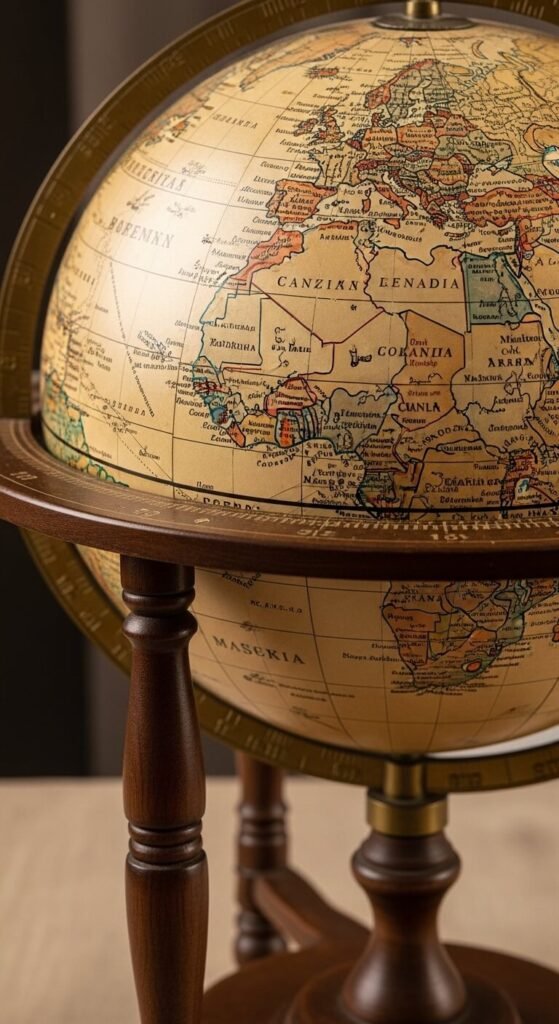
Old maps and globes carry instant nostalgia. Globes run $20-$60 at antique shops. Rolled maps or framed ones cost $10-$40. The outdated geography is the charm.
Display a globe in your office, living room, or kid’s room. Frame vintage maps as art—they’re more interesting than generic prints. Look for maps of places you’ve visited or want to visit. The colors have aged beautifully, fading to muted tones. If globes are dusty, wipe gently with barely damp cloth. Don’t worry about outdated names and borders. That proves authenticity. These pieces inspire curiosity and adventure while decorating your walls and shelves with actual history.
Apothecary Jars and Laboratory Glass

Scientific and pharmacy glass from the early-to-mid 1900s is pure functional beauty. Jars with ground glass stoppers cost $8-$25. Simple beakers and bottles run $5-$15.
Use them in bathrooms for cotton balls, swabs, and bath salts. Display on kitchen shelves filled with pasta, beans, or flour. The thick glass and precise stoppers feel substantial. Labels sometimes remain—leave them or soak them off with warm water. These containers bring laboratory chic to everyday spaces. Fill with small items or leave empty. The shapes alone are interesting. Group several together for impact. The utilitarian design never feels dated.
Vintage Clocks That Don’t Work

Non-working vintage clocks sell cheap—$10-$30—because people want function. But broken clocks make great decor. The housings are beautiful and the faces add character.
Display them on mantels, shelves, or desks. Set the hands to a meaningful time—your wedding hour, a child’s birth time. The frozen moment becomes art. Remove the back to expose the mechanism as wall art. Clock faces alone make interesting pieces. Mount just the face to a wall without the housing. Old alarm clocks work as bookends. Don’t stress about repairs unless you really want a working clock. As decor, broken clocks bring nostalgic charm without the ticking.
Vintage Wooden Cutting and Serving Boards

Cheese boards, serving paddles, and carving boards from the 50s-70s are thick, heavy, and gorgeous. Estate sales price them $8-$20. The wood has depth and grain that new boards can’t match.
Use them for serving or pure decoration. Lean against kitchen backsplash. Hang on walls using leather straps as hangers. The natural wood adds warmth. Some have inlaid wood designs or carved handles. Others are simple planks. Both work. Condition monthly with mineral oil or board cream. The oil darkens the wood and brings out grain. These boards improve with age and use. Kitchen workhorses that double as art.
Tarnished Silver Plate Serving Pieces

Silver plate items—trays, candlesticks, pitchers—sell for $5-$20 at thrift stores. Most people skip them because they’re tarnished. That’s your gain.
Leave them tarnished for moody, dramatic decor. Use trays as catch-alls on dressers and coffee tables. Pitchers become vases. The dark patina creates depth and interest. If you prefer shine, make a paste of baking soda and water. Rub gently, rinse, dry. But consider leaving some tarnish in crevices for dimension. These pieces bring old-world elegance without the price tag of real silver. They look expensive, age beautifully, and work in any room.
Conclusion
Vintage decor transforms spaces with character modern pieces simply can’t provide. Each item on this list carries history, craftsmanship, and authenticity. You’re not just decorating—you’re curating. The best part? These finds cost a fraction of new furniture and accessories while delivering far more personality. Start with one or two pieces that speak to you. Visit estate sales, thrift stores, and antique markets regularly. The hunt becomes addictive once you train your eye to spot quality. Don’t wait for perfection. Embrace chips, tarnish, and wear. Those imperfections are proof of a life well-lived. Your home will thank you with warmth, depth, and stories that guests actually want to hear. Start hunting today.