
Small spaces demand smart solutions, not sacrifices. You can live beautifully in 400 square feet when every item serves multiple purposes and every inch works hard. The secret isn’t owning less—it’s organizing better and choosing furniture that adapts. Studios, tiny apartments, and micro-homes require different thinking than spacious houses. Vertical space becomes your best friend. Furniture that folds, stacks, or hides transforms throughout the day. Light colors and mirrors create optical illusions of size. These aren’t compromises—they’re clever design strategies that often work better than traditional approaches. Small space living teaches intentionality and creativity. You become a master of curation, keeping only what serves you. These 25 solutions turn cramped quarters into functional, beautiful homes. Each idea maximizes space while maintaining style. Start with solutions that address your biggest pain points, then build from there.
Murphy Beds That Disappear Daily

Murphy beds reclaim 25+ square feet daily. Modern versions cost $800-$2000 installed. The vertical storage creates full rooms from bedrooms. Fold the bed up each morning—suddenly you have a living room.
Buy ready-made units from IKEA or Wayfair. Installation takes 4-6 hours with two people. Some include desks or sofas that appear when beds fold up. The transforming space is worth the investment in studios. DIY versions using hardware kits cost $300-$600 but require carpentry skills. The mechanism handles daily use for years. Add shelf lighting inside for nightstands when deployed. This single change makes 300-square-foot spaces livable.
Floor-to-Ceiling Curtains as Room Dividers

Curtains divide spaces without permanent walls. Ceiling-mounted tracks cost $30-$80. The fabric separators create flexible zones—open for entertaining, closed for privacy. Perfect for studios needing bedroom definition.
Buy curtain tracks at IKEA or hardware stores. Mount them to ceiling joists using screws. Hang lightweight panels—linen, cotton, or sheer fabrics work best. The soft architecture costs $60-$150 total. Choose white or neutrals to maintain airiness. The curtains slide open completely when not needed. This creates rooms within rooms without sacrificing light or permanent square footage. Pull them closed at night for sleeping privacy.
Vertical Wall Storage Systems
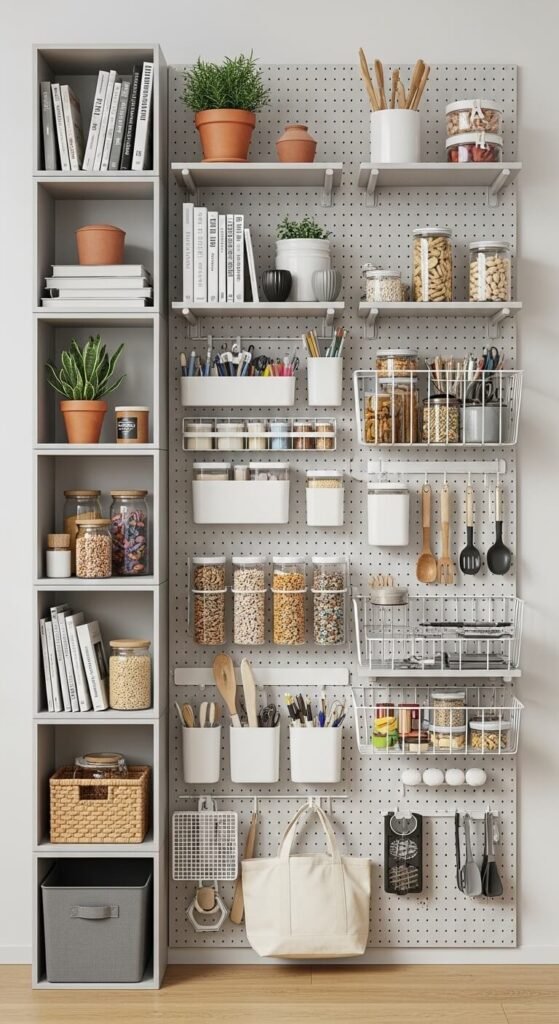
When floor space is limited, build upward. Install shelving from floor to ceiling. The vertical approach stores more while using less footprint. Every wall becomes potential storage.
Mount track systems like Elfa ($200-$400 per wall) or basic floating shelves ($15-$30 each). Stack shelves closely—12-16 inches apart instead of standard 24 inches. The upward expansion doubles storage capacity. Use the top shelves for rarely-needed items. Keep daily items at eye level. This works in closets, kitchens, and living areas. Floor space stays open for living while walls handle storage. The visual impact is clean when items are organized uniformly.
Nesting Tables That Stack Away
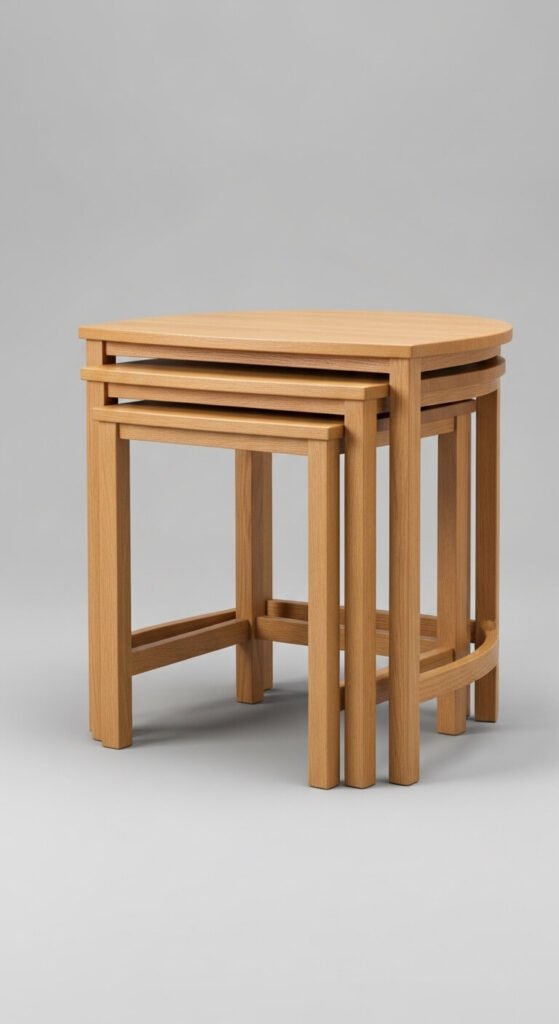
Nesting tables provide flexible surfaces without permanent commitment. Sets of 2-3 tables stack together when not needed. Pull them out for guests or projects, then tuck them away.
Buy nesting sets for $80-$200. The smallest table slides under the medium, which slides under the largest. The flexible furniture gives you surface options without crowding rooms constantly. Use the largest as a primary side table. Deploy smaller ones when entertaining. The varying heights create visual interest when separated. Store them nested in corners or under consoles. This is adaptable furniture perfect for spaces that change function throughout the day.
Under-Bed Storage Drawers

The space under beds holds 15-30 cubic feet of storage. Use it. Rolling drawers or boxes turn wasted space into closets. This is hidden storage that doesn’t clutter visually.
Buy under-bed boxes for $15-$40 each or build simple rolling platforms. The invisible storage holds out-of-season clothes, extra linens, or shoes. Measure bed height first—you need 6+ inches clearance. Choose boxes with wheels for easy access. Vacuum-seal bags compress bulky items. Label everything so you remember contents. Platform beds often include built-in drawer systems. This storage doesn’t count against your visual space—out of sight works perfectly here.
Folding Dining Tables

Dining tables occupy huge footprints. Wall-mounted drop-leaf versions fold flat when not in use. Extend them for meals, fold them away after. You gain 10-20 square feet instantly.
Install wall-mounted tables for $100-$300. IKEA’s BJURSTA or similar fold-down designs work well. Add folding chairs that hang on walls or stack in closets. The flexible dining means kitchens don’t need permanent table space. Use the extended surface for cooking prep, working, or projects when not eating. The sturdy construction handles daily use. This is room creation through smart furniture choices.
Mirrors That Double Visual Space

Mirrors create optical illusions of space. Position them opposite windows to reflect light and views. Large mirrors make rooms feel twice their size. The psychological impact is real.
Buy full-length mirrors for $50-$150. Lean them against walls—no hanging required. The space-doubling effect works best with mirrors 4+ feet tall. Mirrored closet doors expand bedrooms visually. Avoid placing mirrors opposite clutter—they’ll double the mess too. The reflected light brightens dark corners. This is the cheapest way to make small rooms feel spacious. Position carefully to reflect pleasant views, not awkward angles.
Ottoman Storage Cubes

Ottomans serve as seating, footrests, coffee tables, and storage. The lift-top versions hide blankets, magazines, or supplies. Every piece of small-space furniture should multitask.
Buy storage ottomans for $60-$150. The quadruple-duty furniture earns its footprint. Use as coffee tables with trays on top. Extra seating appears when guests visit. Store items you access weekly inside—not long-term storage. Vacuum bags compress blankets to fit more. Position near sofas for maximum use. The soft top prevents sharp corners in tight spaces. This is furniture efficiency at its best.
Floating Desks That Fold Up
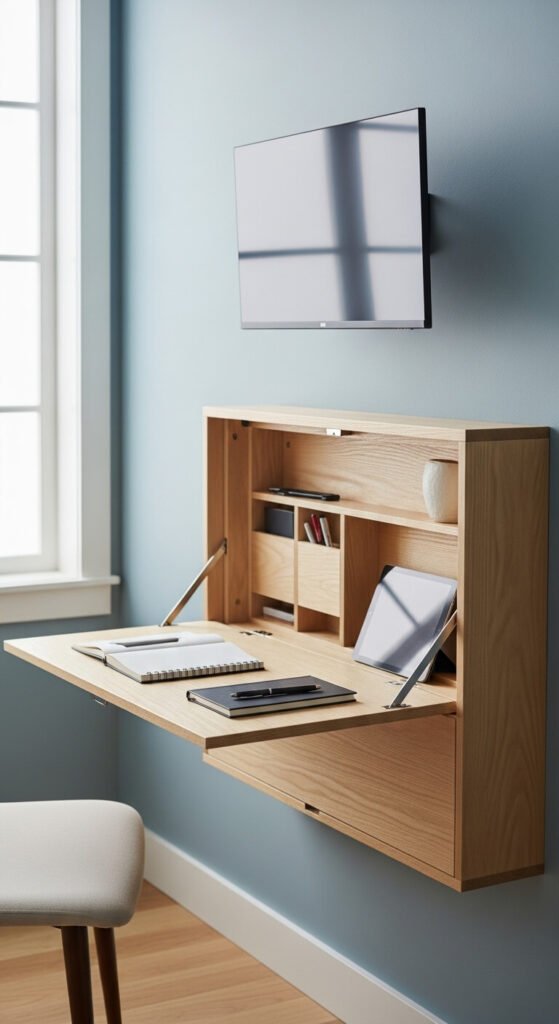
Home offices in small spaces need flexibility. Wall-mounted desks fold down for work, fold up when done. You gain an office without losing a room.
Buy fold-down desks for $100-$250 or build them using piano hinges and a shelf. The disappearing workspace is perfect for studios. Add a fold-up chair or use a stool that tucks under. Mount at 29 inches high—standard desk height. Include a small shelf above for supplies. Close it completely to reclaim the room. This creates dedicated work zones without permanent space loss.
Clear Acrylic Furniture
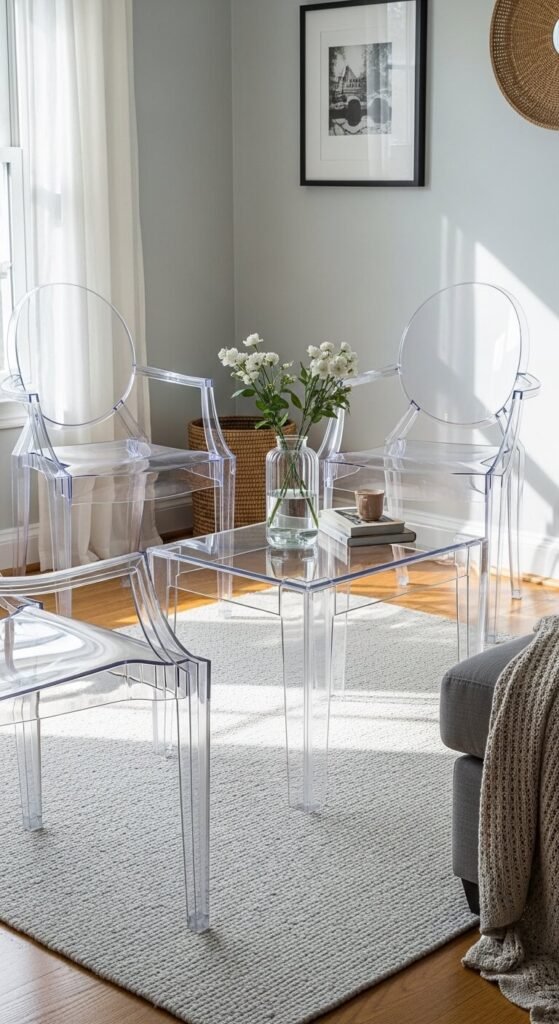
Clear furniture takes up physical space without visual weight. Acrylic chairs, tables, and shelves disappear optically. The eye sees through them to walls and floors beyond.
Buy acrylic furniture for $80-$300 per piece. The invisible furniture works especially well in tiny spaces where visual clutter overwhelms. Coffee tables, dining chairs, and side tables all come in clear versions. The material is durable and easy to clean. Windex removes fingerprints. The see-through quality makes rooms feel less crowded even when furniture-filled. This is optical trickery that actually works.
Vertical Bike Storage Racks

Bikes consume 6+ square feet horizontally. Hang them vertically—suddenly they use 2 square feet. Wall or ceiling mounts save massive floor space.
Install bike hooks for $15-$30. The vertical storage works in entryways, closets, or on living room walls. Bikes become wall art when mounted attractively. Ceiling pulleys ($40-$80) work in spaces with high ceilings. The floor space you reclaim is worth the wall commitment. Store helmets and gear on hooks nearby. This is practical storage that doubles as decor for cycling enthusiasts.
Stackable Washer-Dryer Units

Stackable laundry units cut laundry footprint in half. Side-by-side machines use 5-6 feet of width. Stacked versions need only 27 inches wide and 30 inches deep.
Buy stackable sets for $800-$1500. Many apartments include them now. The vertical appliances fit in closets, bathrooms, or kitchens. Stacking kits connect units safely for $50-$100 if they’re separate. Ventless dryers eliminate ductwork requirements. This creates functional laundry in the smallest spaces. The saved floor area becomes storage or living space. This is modern necessity in urban apartments.
Pull-Out Pantry Organizers
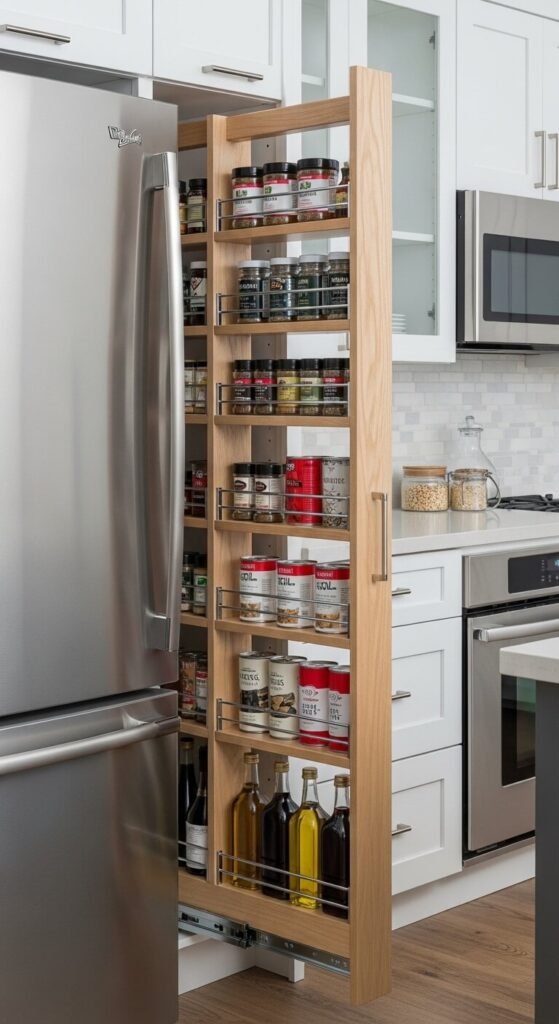
Narrow pull-out cabinets utilize 6-9 inch gaps between appliances. The rolling organizers slide out completely for access. These slivers of space become functional storage.
Buy pull-out pantry systems for $80-$200 or build them using drawer slides ($15-$30). The slim storage holds spices, canned goods, or cleaning supplies. Install them between fridges and walls, ovens and counters—anywhere there’s a gap. Full extension slides let you see everything at once. This maximizes dead space that usually goes unused. Kitchen storage is always precious—these organizers deliver serious capacity from minimal width.
Loft Beds With Space Underneath

Loft beds create two levels from one footprint. Sleep up top, use the space below for desks, seating, or storage. You double usable area without adding square footage.
Buy loft bed frames for $200-$600. The vertical living works best with 8+ foot ceilings. Build desks, sofas, or closets underneath. Ensure 3-4 feet clearance above the mattress for sitting up. Install wall-mounted lights for reading. Add curtains around the sleeping area for privacy. This is college dorm wisdom that works brilliantly in small apartments. The lower zone becomes a complete room.
Magnetic Knife Strips

Knife blocks consume 12+ inches of counter space. Magnetic strips mount on walls, freeing counters completely. The knives display attractively while staying accessible.
Buy magnetic strips for $15-$30. Mount them on backsplashes or inside cabinet doors. The vertical knife storage works for any metal tools—scissors, whisks, or utensils. This is instant counter space reclaimed. The magnetic pull is strong enough for professional use. Clean with damp cloth. This small change makes tight kitchens significantly more functional. Every inch of counter matters in small spaces.
Corner Shelving Units
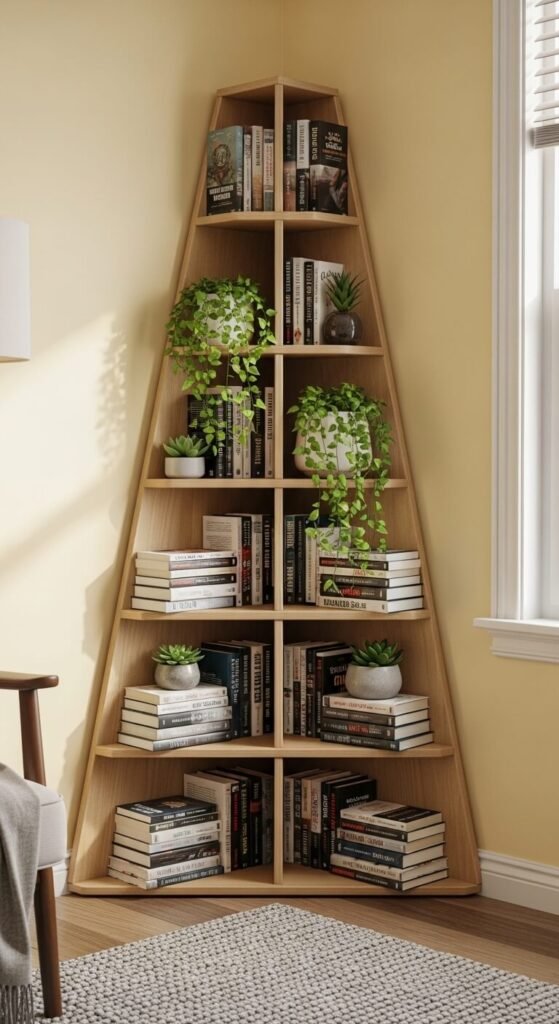
Corners are wasted in most rooms. Corner shelves convert dead space into storage and display. The triangular units fit where rectangular ones can’t.
Buy corner shelving for $40-$100 or build using basic brackets. The angle storage adds capacity without protruding into rooms. Use corners for plants, books, or decorative items. Tall corner units reach ceilings for maximum storage. Bathroom corners hold toiletries and towels. The geometry makes sense in tight spaces. This is found space—square footage you already have but aren’t using. Convert every corner into function.
Sofa Beds for Dual Rooms

Sofa beds maintain living rooms by day, bedrooms by night. Modern versions are comfortable enough for nightly use. The dual function eliminates needing separate sleeping areas.
Buy quality sofa beds for $600-$1500. Cheap versions hurt backs—this is worth investing in. The room flexibility is perfect for studios. Memory foam mattresses make them genuinely comfortable. Add storage underneath using bed risers. Fold bedding into decorative baskets during day. This is essential small-space furniture that actually works when quality is decent. Test them thoroughly before buying.
Pegboard Organizing Walls

Pegboards organize vertically while keeping items visible. The hole pattern accepts infinite hook and shelf configurations. Customize storage as your needs change.
Buy pegboard sheets for $15-$30 at hardware stores. Paint them to match walls. The flexible organization works in kitchens, offices, workshops, or entryways. Hooks cost $1-$3 each—buy variety packs. Hang tools, supplies, keys, or decorative items. Rearrange hooks weekly if desired. The accessibility keeps frequently-used items within reach. This is adaptable storage that grows with you. Entire walls become functional without furniture footprints.
Sliding Barn Doors

Swinging doors need 8-10 square feet of clearance. Sliding doors eliminate that waste. Mount them on exterior tracks—they slide along walls instead of into rooms.
Buy barn door hardware kits for $60-$150. Use hollow-core doors to reduce weight. The space reclamation is significant in tight bathrooms or bedrooms. Soft-close mechanisms prevent slamming. Paint doors to match walls or make them accent features. The track mounts easily to wall studs. This is style meeting function—the look is popular and the space savings real. Works for closets, bathrooms, or room separators.
Over-Door Organizers
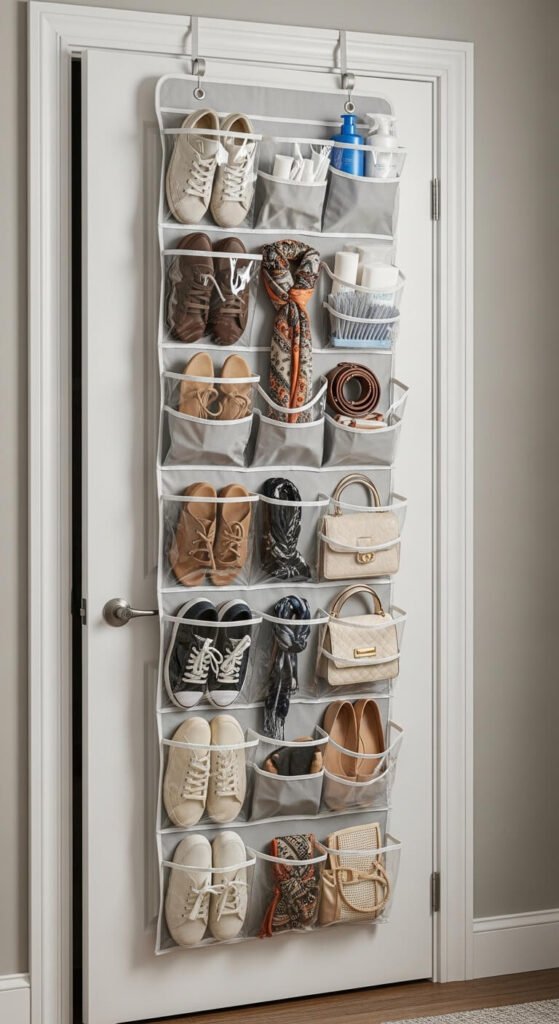
Door backs offer vertical storage. Over-door organizers add capacity without tools or installation. The pockets hold shoes, cleaning supplies, or accessories.
Buy over-door racks for $15-$40. The tool-free storage works for renters. Use them on closets, bathrooms, pantries, or bedroom doors. Clear pocket versions let you see contents. Holds 12-24 pairs of shoes or equivalent supplies. The weight limit is usually 30-50 pounds—distribute evenly. This is instant storage utilizing surfaces that otherwise go unused. Remove easily when moving.
Expandable Dining Tables
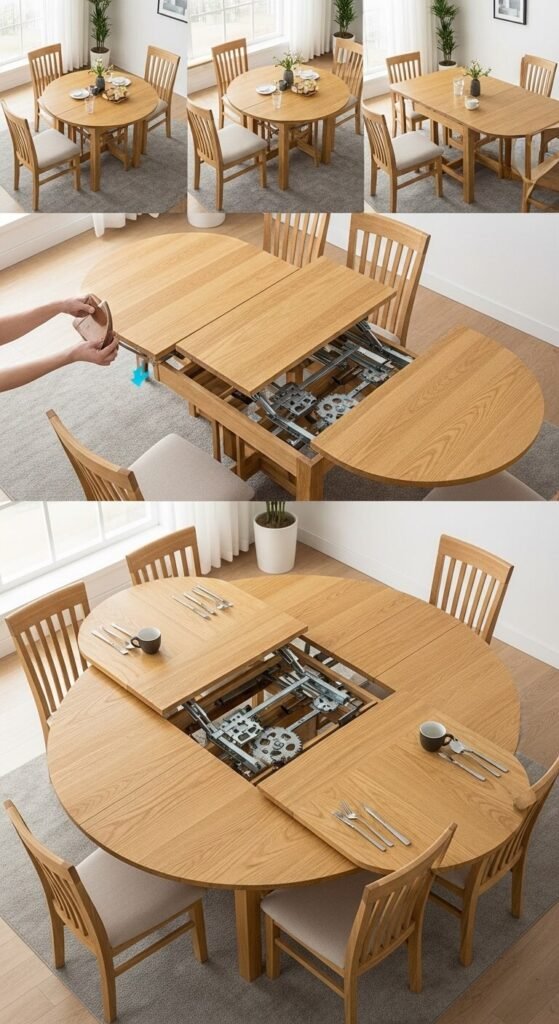
Tables that expand accommodate daily life at small size, guests at full size. Leaves insert or fold out when needed. You get flexibility without permanent large footprints.
Buy expandable tables for $200-$600. The size adjustment is perfect for entertaining in small spaces. Store extra chairs stacked or hung on walls. Collapse the table after guests leave. Round versions expand to ovals. Rectangular ones extend with center leaves. This is realistic entertaining in limited square footage. The table serves two daily but six when needed.
Ceiling-Mounted Pot Racks

Pots and pans consume entire cabinets. Hang them from ceilings instead. The overhead storage keeps them accessible while freeing cabinets for other items.
Buy pot racks for $60-$200. Install them above islands or in corners using ceiling hooks. The overhead organization works best with 8+ foot ceilings. Hang most-used items within easy reach. The display can be attractive when pots are quality. S-hooks cost $1-$2 each. This is vertical thinking applied to cookware. The cabinet space you reclaim stores food or dishes instead.
Murphy Desks in Closets

Closets become offices. Remove hanging rods, add a fold-down desk and shelves. Close the doors—work disappears. The dedicated space improves focus.
Install a desk shelf at 29 inches high using brackets. Add shelves above for supplies. The hidden office keeps work separate from living. A pendant light illuminates the space. This costs $100-$200 in materials. Standard closets are 24 inches deep—perfect for desks. Use a stool that fits inside when closed. This creates real offices in studios without sacrificing living space. The mental separation helps work-life balance.
Slim Console Tables
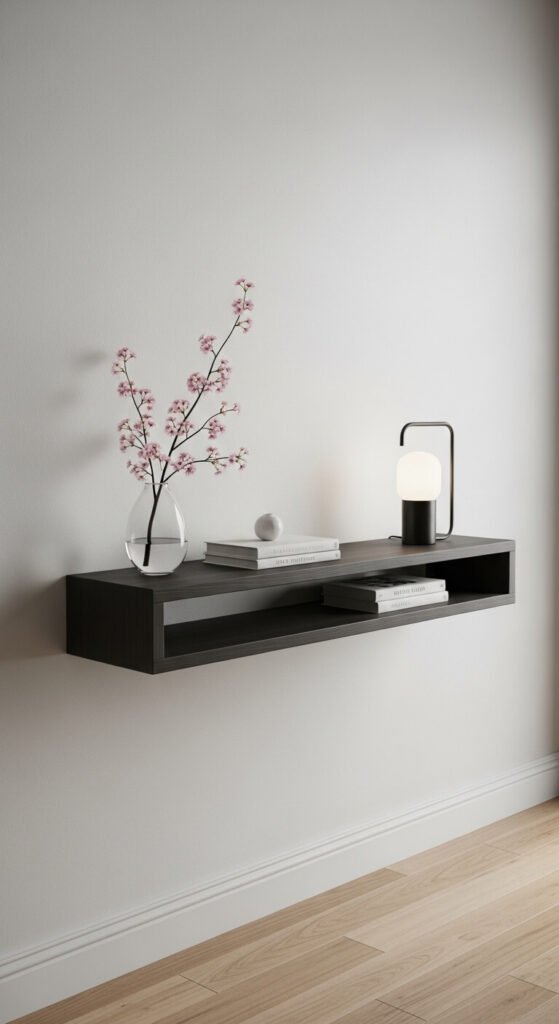
Standard tables are 18-24 inches deep. Slim consoles run 8-12 inches. They provide surface area without blocking walkways. Perfect for narrow entryways or behind sofas.
Buy or build slim consoles. The shallow depth maintains function while preserving flow. Use them for keys, mail, lamps, or decor. The reduced profile prevents bumping in tight spaces. Wall-mount them for extra stability. Add baskets underneath for shoes or bags. These work where standard furniture won’t fit. The narrow footprint makes them small-space essentials.
Vacuum Storage Bags

Vacuum bags compress bedding and clothes to 1/3 original size. The air removal creates storage space from nothing. Use them for seasonal items.
Buy vacuum bags for $15-$30 per set. The compression storage triples closet capacity. Store winter coats in summer, heavy blankets in spring. Use a vacuum cleaner to remove air. The flat packages stack or slide under beds easily. Label contents clearly. Refresh items when removing—shake out compression. This is volume reduction through physics. The space savings are dramatic and immediate.
Conclusion
Small space living is about working smarter, not settling for less. These 25 solutions prove you can have functionality, style, and comfort in limited square footage. Start with your biggest frustration—maybe it’s lack of dining space, insufficient storage, or no home office. Pick the solution that addresses that problem first. Implement it completely before moving to the next challenge. Small changes compound quickly. A murphy bed plus floating desk plus vertical storage transforms studios completely. You’ll discover that limitations force creativity. Small spaces become highly curated, deeply personal homes where every item justifies its presence. The editing process creates clarity and intention that sprawling houses often lack. Stop seeing your space as a limitation and start seeing it as an opportunity for clever design. These solutions work—implement them and reclaim every precious inch you have.