

24 Handcrafted Ceramic Decor Pieces That Show Artisan Quality


Disclosure: As an Amazon Associate we earn from qualifying purchases. Some links on this page may be affiliate links — if you click through and make a purchase, we may receive a small commission at no extra cost to you.
Handcrafted ceramic decor has a way of making any room feel more grounded and real. Unlike mass-produced pieces, artisan ceramics carry the marks of the hands that made them — small imperfections, uneven glaze runs, and organic shapes that no factory can replicate. Whether you are decorating a living room, a kitchen shelf, or a bathroom corner, the right ceramic piece can shift the entire feel of the space. This guide walks you through 24 specific types of handcrafted ceramic decor worth seeking out, with practical tips on where to find them and how to use them affordably.
1. Hand-Thrown Stoneware Vases
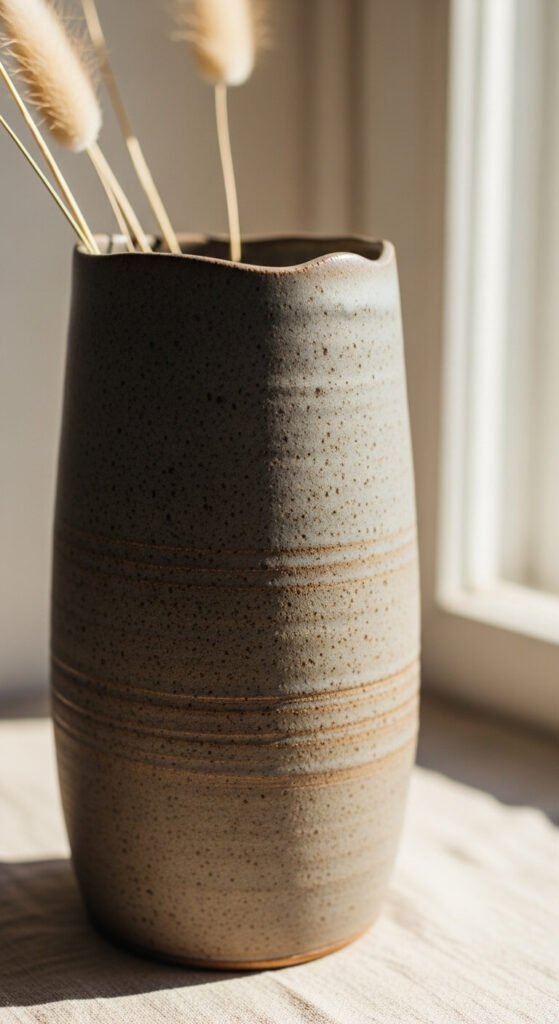
A hand-thrown stoneware vase is one of the most impactful single pieces you can add to a room. The uneven rim and slight lean tell you it was made by a person, not a machine. Look for vases with matte or satin glazes in neutral earth tones. These pair well with dried botanicals, which are cheaper than fresh flowers. You can find affordable options on Etsy or at local craft fairs for $25–$60. Place one on a console table or windowsill for instant warmth.
2. Ceramic Bud Vases in Clusters
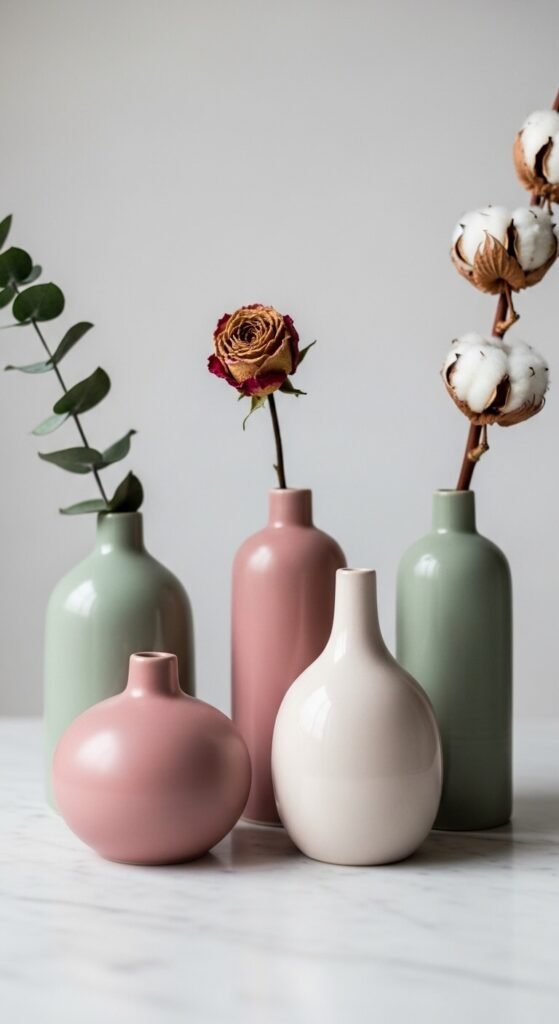
Small ceramic bud vases work best when grouped together. Pick three to five in complementary colors — think dusty rose, sage green, and off-white. They do not all need to match. In fact, slight differences in glaze or shape make the grouping look more collected and personal. Each vase can hold a single dried or fresh stem. This is a budget-friendly approach — individual bud vases often cost $10–$20 each. Arrange them on a bathroom shelf, kitchen counter, or bedroom dresser.
3. Handmade Ceramic Bowls for Display
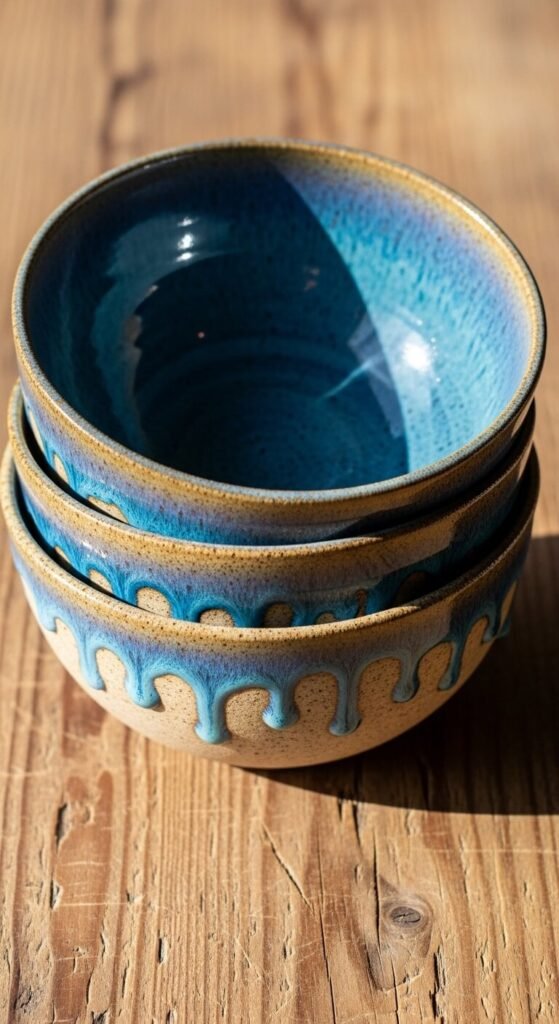
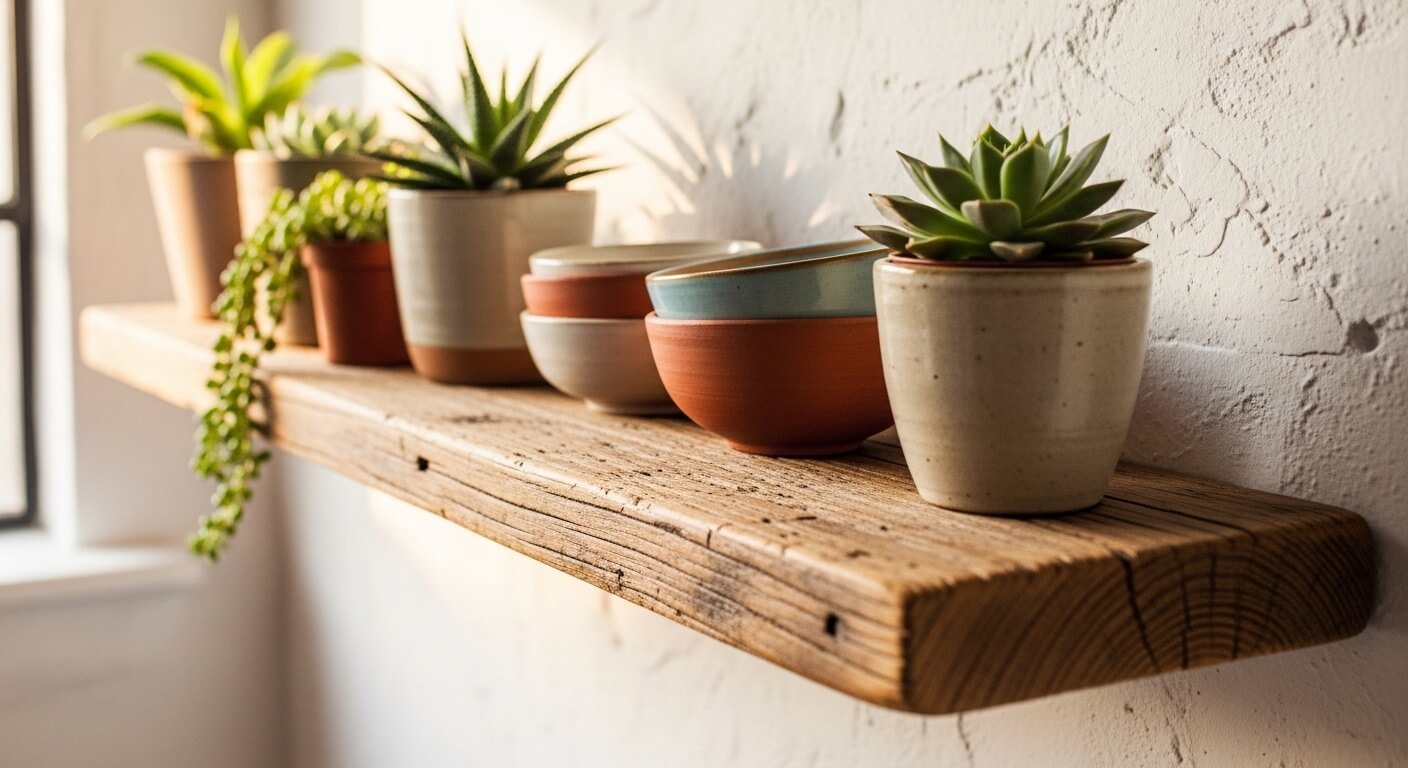
A ceramic bowl made for display is both decorative and functional. Set one on a coffee table to hold keys, crystals, or seasonal items like pine cones. Choose a bowl with a reactive glaze — those swirling blue-to-amber or green-to-brown effects happen naturally in the kiln and cannot be faked. These bowls feel substantial and grounded. At craft markets, beautiful display bowls start around $30–$50. Look for ones with a wide, flat base so they sit stable without a stand.
4. Artisan Ceramic Planters
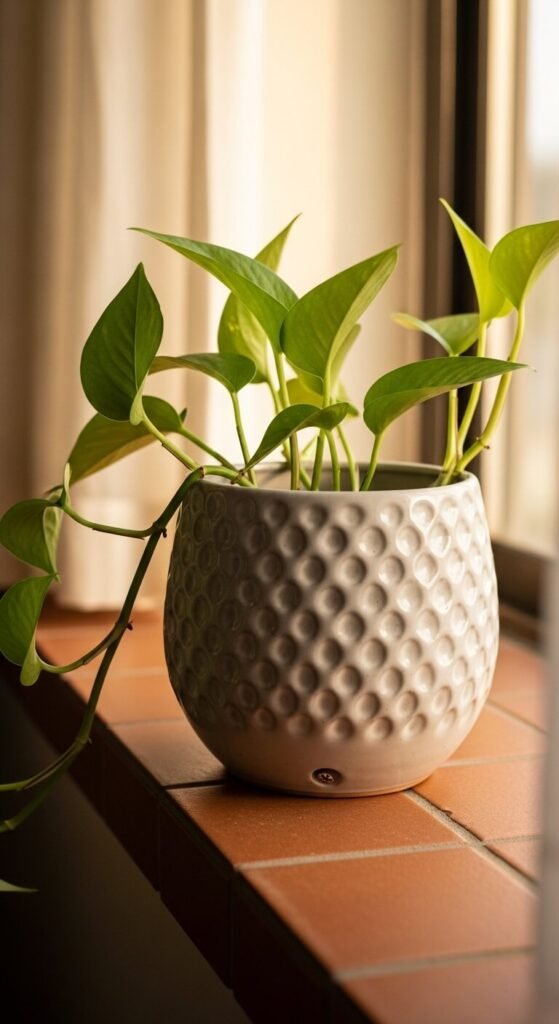
Ceramic planters made by hand have texture and weight that plastic pots simply cannot match. The clay breathes better too, which most plants prefer. Look for planters with a drainage hole or a removable plug — this is a sign the potter thought about actual use, not just appearance. Dimple textures, thumb-pressed patterns, and sgraffito lines are common details that add character. Prices start around $20 for small planters. A trailing plant like pothos or string of pearls looks especially good in a simple stoneware pot.
5. Glazed Ceramic Wall Tiles as Art
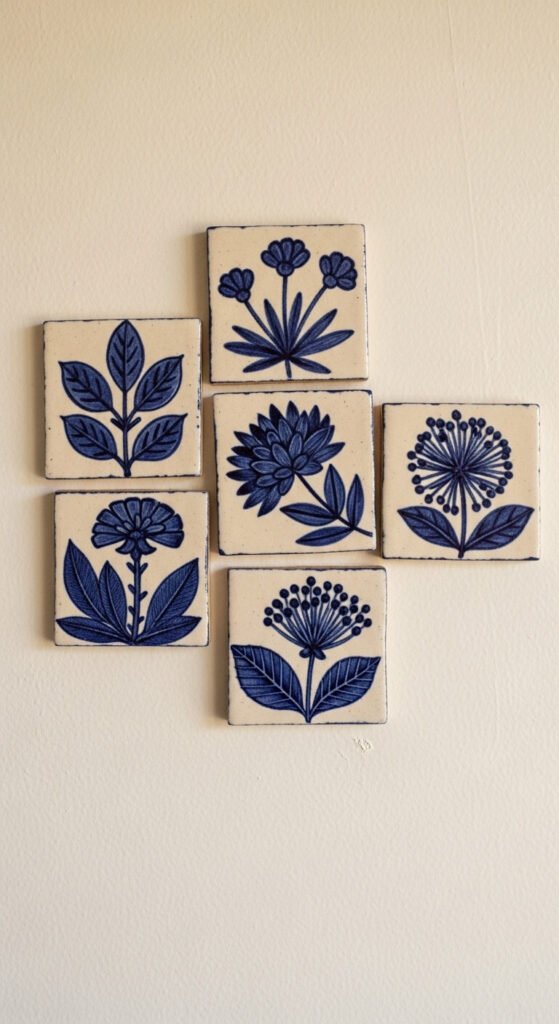
Handcrafted ceramic tiles can function as wall art when arranged in a small cluster. They do not need to cover an entire backsplash to make an impact. Buy five or six individual tiles with painted motifs — botanicals, abstract forms, or simple geometric marks work well. Mount them with small adhesive picture hangers in an intentional but loose grouping. This approach costs far less than commissioning a tile installation. Many ceramic artists sell individual tiles for $15–$35 each, making it an accessible DIY gallery wall option.
6. Ceramic Oil Diffuser or Incense Holder
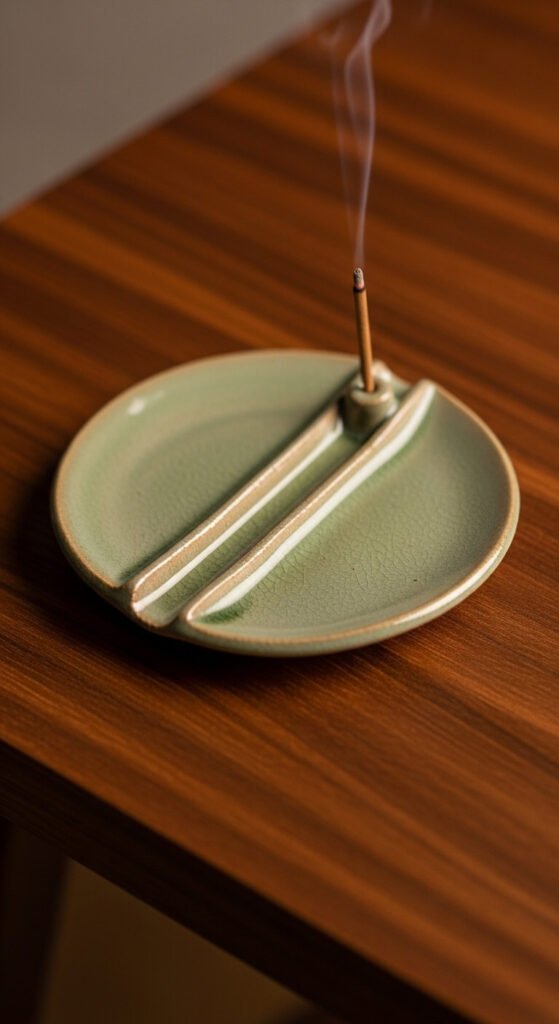
A ceramic incense or oil diffuser piece brings scent into your space while looking good on any surface. Small and functional, these are among the most affordable artisan ceramic items — often $15–$30. Look for pieces with a carved channel or small perforation that holds an incense stick upright. The glaze matters here: matte finishes in sage, charcoal, or warm terracotta tend to photograph and display beautifully. These make great gifts too. Place one on a side table or bathroom vanity for a calming, spa-like corner.
7. Wabi-Sabi Ceramic Plates for Wall Display
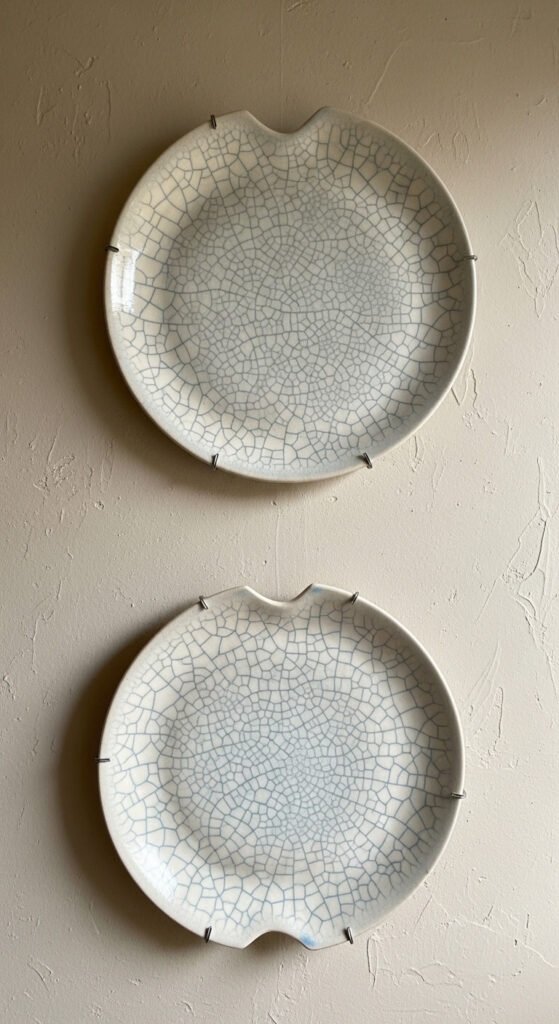
Wabi-sabi ceramic plates — those with irregular rims, crackle glazes, and imperfect shapes — make striking wall art. Hang two or three in a loose grouping above a sofa or along a hallway. Use simple plate hangers from a hardware store, which cost just a few dollars. The plates do not need to match. Slight variations in rim shape and glaze color actually make the display more interesting. You can find beautiful handmade plates at pottery studios, online marketplaces, or estate sales for $20–$70 each.
8. Ceramic Candle Holders
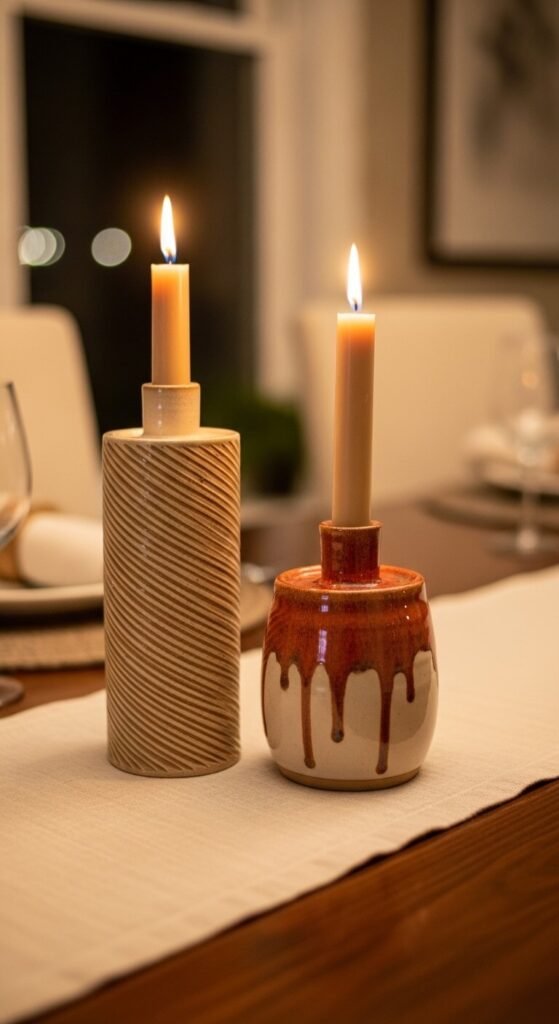
Handmade ceramic candle holders add warmth to a dining table, mantelpiece, or windowsill. The most common styles are taper holders and pillar bases. Look for ones with carved or stamped textures — these catch the candlelight beautifully. Reactive glazes in rust, ochre, or dark blue-green look especially rich when lit from within. Pairs do not need to be identical. Mixing a tall cylinder with a shorter, wider shape adds visual rhythm. Expect to pay $20–$50 per piece from independent potters.
9. Slab-Built Ceramic Trays
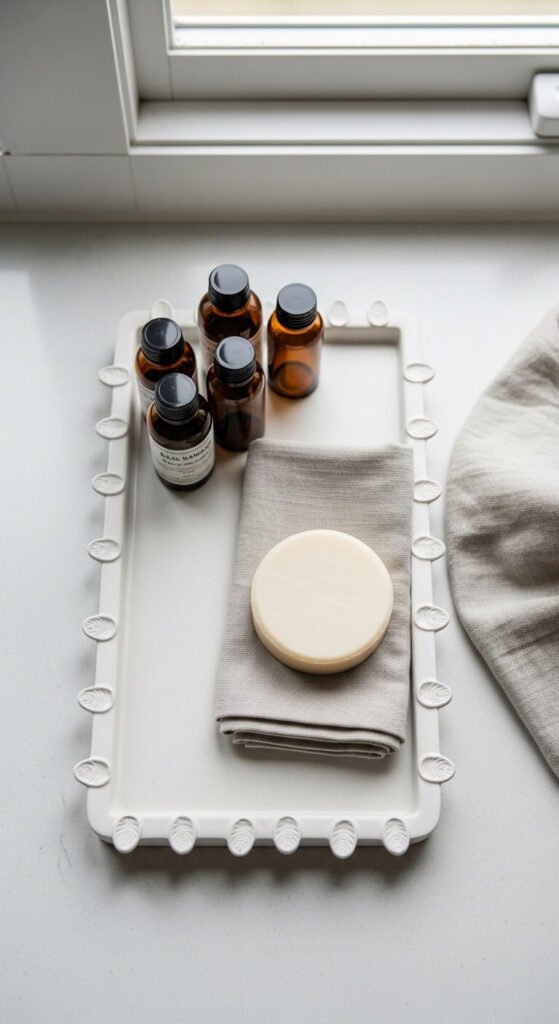
A slab-built ceramic tray is one of the most practical decorative pieces you can own. It corrals items on a kitchen counter, bathroom shelf, or coffee table without the tray itself demanding attention. Slab construction gives these trays a clean, architectural feel — slightly different from wheel-thrown pieces. Look for trays with softly pinched or folded edges, which signal handwork. These often sell for $35–$65. Use one to organize candles, small plants, and a stone or two. Instant, effortless vignette.
10. Ceramic Hanging Ornaments
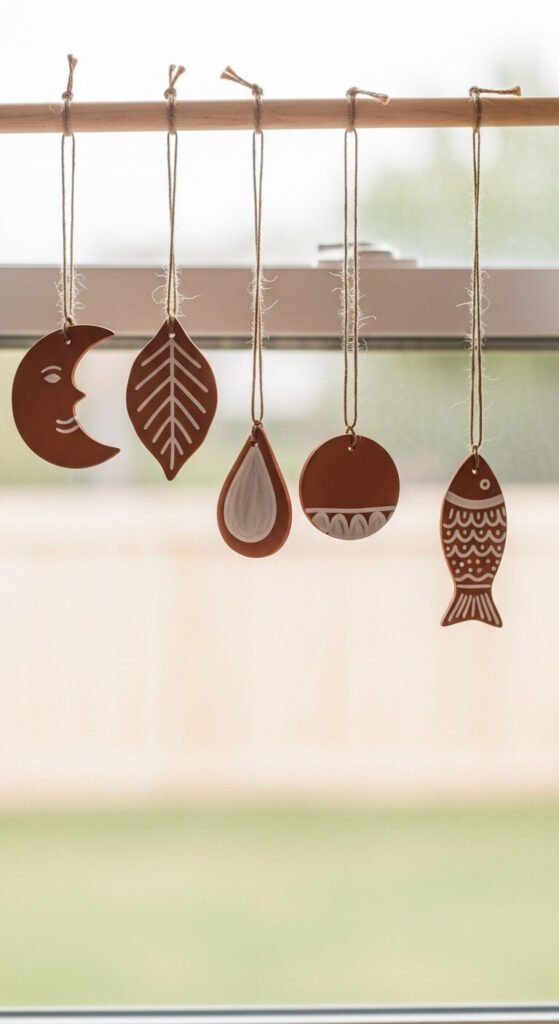
Ceramic hanging ornaments make for a charming, low-cost decorative detail. Hang a group of five to seven from a wooden dowel, a curtain rod, or a branch. Look for ornaments in terracotta with slip-painted designs — the contrast of orange clay and white patterns is graphic and striking. These work in children’s rooms, kitchens, or entryways. Many potters sell sets for $20–$40. They also make thoughtful, personal gifts. Buy a few extra to swap seasonally — it is an inexpensive way to refresh a space.
11. Handcrafted Ceramic Mugs as Shelf Decor
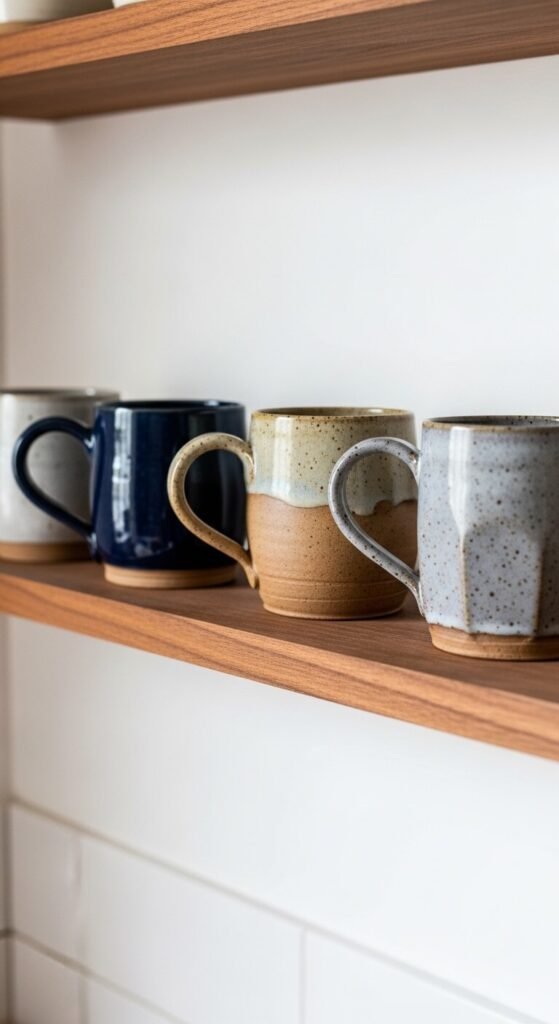
Artisan ceramic mugs are not just for drinking. A curated row of four or five on an open kitchen shelf becomes a collection worth looking at every day. Choose mugs in a loose color palette — three to four tones that go well together. The variety of handle styles, clay textures, and glaze finishes creates rhythm without chaos. Good handmade mugs cost $25–$55 each, but you can build a collection slowly. Start with one or two and add over time. The shelf display is free — no additional decor needed.
12. Ceramic Spoon Rests and Kitchen Accents
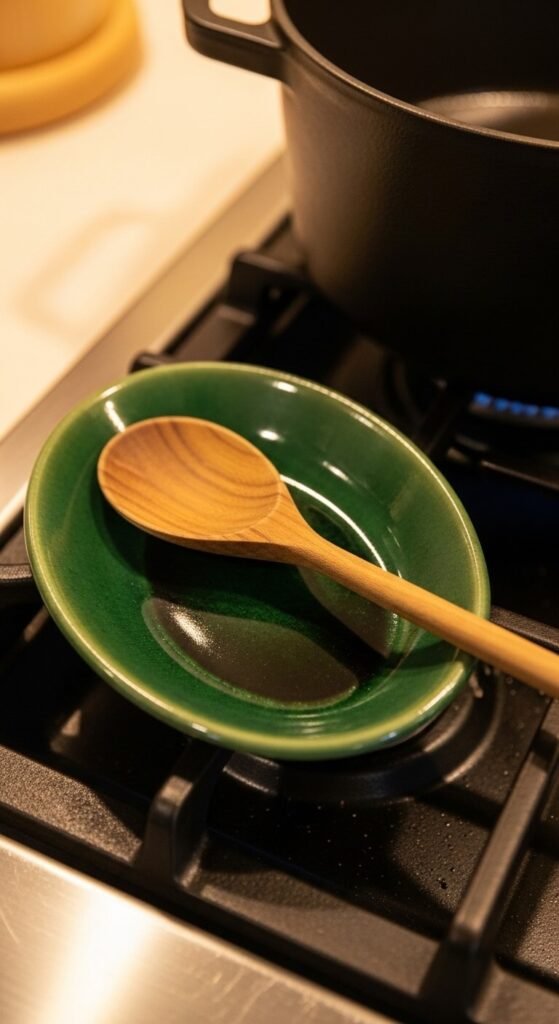
A handmade ceramic spoon rest is a tiny detail that signals care in a kitchen. It replaces a folded paper towel or the edge of the counter with something permanent and beautiful. Look for oval or leaf-shaped forms with a slightly concave surface so the spoon does not slide off. Glossy glazes in deep green, cobalt, or warm amber add color to a kitchen without overwhelming it. These are among the most affordable artisan pieces — $15–$30 — and they are fully functional. A great starting point if you are new to buying handmade.
13. Porcelain Sculptural Objects
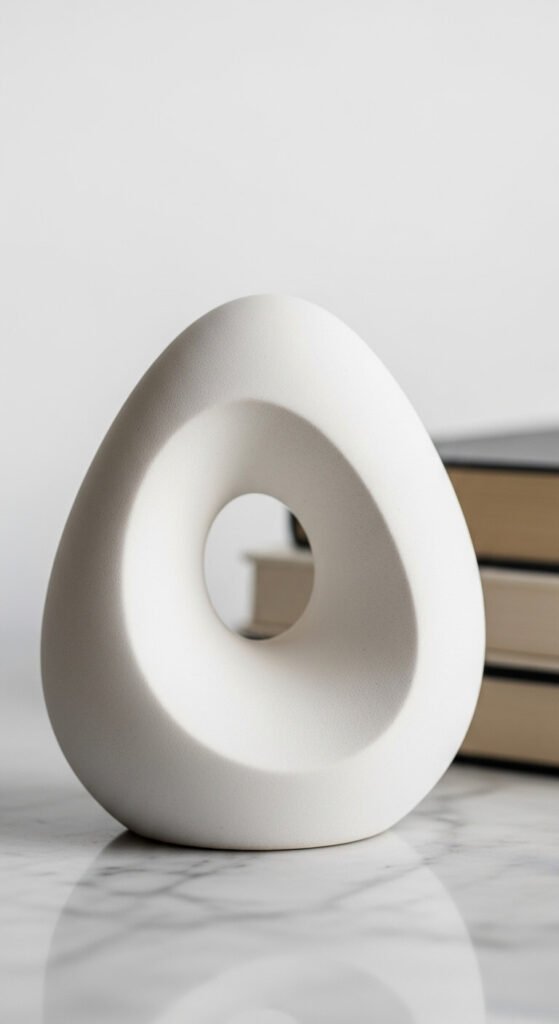
Porcelain sculptural objects — pieces made purely for visual interest rather than function — are a category worth exploring. These small forms sit on a shelf or coffee table and hold attention without doing anything at all. Look for smooth, abstract shapes in unglazed or lightly glazed white porcelain. The matte finish photographs beautifully and works with nearly any interior. Independent ceramic artists sell small sculptural pieces for $40–$100. One or two placed beside books or plants creates a gallery-like moment in an everyday room.
14. Raku-Fired Decorative Vessels
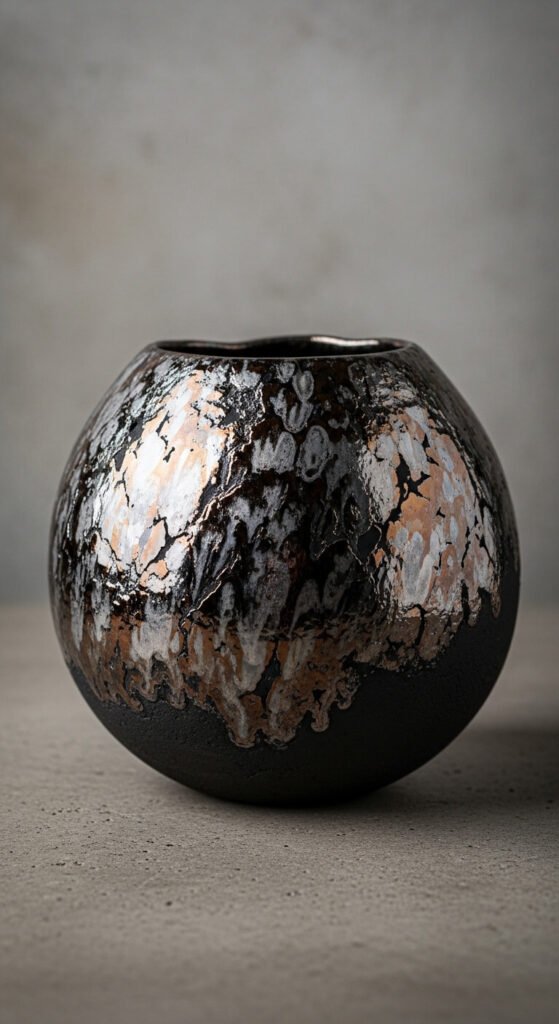
Raku-fired ceramics are among the most visually dramatic pieces an artisan can produce. The firing process — pulling pieces from a hot kiln and placing them in a smoke-filled container — creates unpredictable metallic and carbon-black patterns that are unique to every piece. No two raku vessels look alike. These make powerful statement objects on a mantelpiece or console. Expect to pay $50–$150 for original raku work. They are not for everyday use — just display — but they earn every bit of the attention they attract.
15. Ceramic Picture Frames
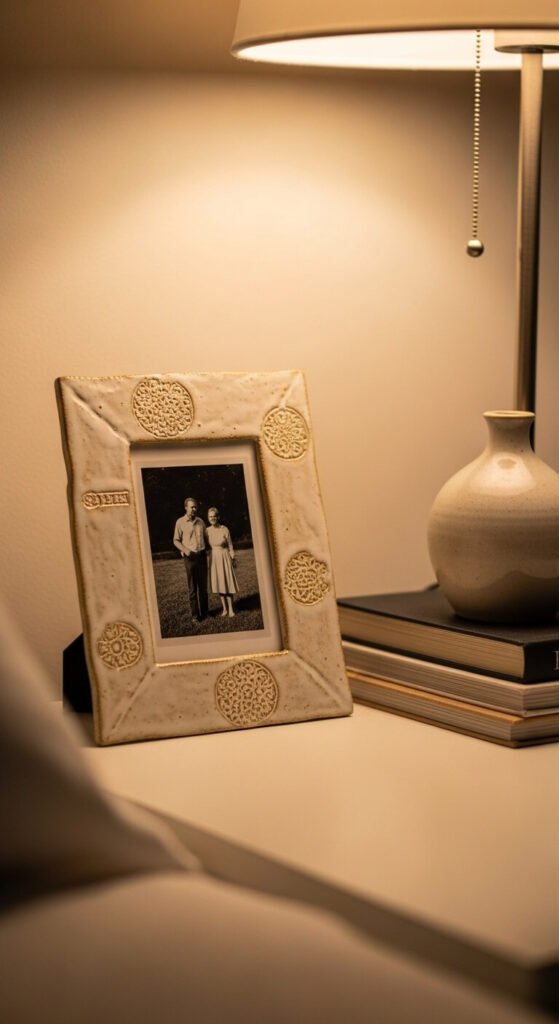
Ceramic picture frames are an underrated category of artisan decor. Most people display photos in mass-produced plastic or metal frames. A handmade ceramic frame — with its slight irregularity and tactile texture — gives a photograph more presence. Look for frames that lean rather than hang, which gives them a relaxed, personal feel. A standard 4×6 ceramic frame from an independent maker costs $30–$60. Use one for a meaningful photo on a nightstand or desk. It turns an everyday object into something worth noticing.
16. Slip-Trailed Ceramic Serving Pieces
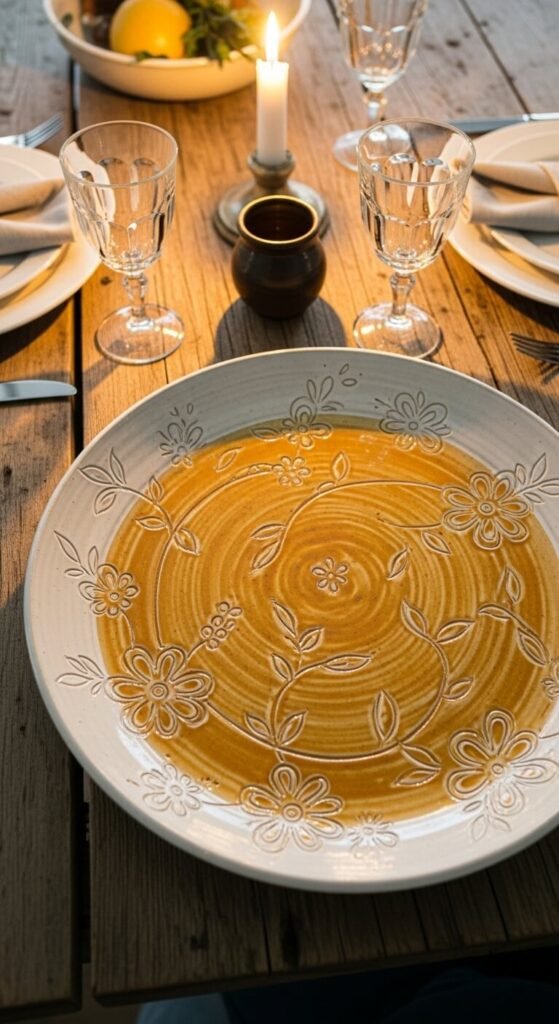
Slip-trailed ceramics feature raised lines of liquid clay applied to the surface before firing — creating a textured, almost embroidered look. Serving platters and shallow bowls made with this technique are especially beautiful on a table. The raised pattern holds the glaze differently from the flat surface, creating depth and variation. These pieces work as decor when not in use — lean a large platter against a kitchen backsplash or on an open shelf. Prices vary widely: $45–$120 for a serving-size platter from an established potter.
17. Ceramic Wind Chimes for Outdoor Spaces
Ceramic wind chimes bring artisan quality to outdoor and porch spaces. Unlike metal chimes, ceramic produces a softer, more muted sound — almost like small bells. Look for chimes made from stoneware or terracotta, which handle outdoor conditions better than delicate porcelain. The visual texture of handmade clay pieces moves beautifully in the wind. Hang them from a porch beam, a tree branch, or a garden hook. Sets from independent makers cost $35–$80 and hold up well through seasons. This is an affordable way to bring handmade craft outside.
18. Ceramic Drawer Pulls and Cabinet Knobs
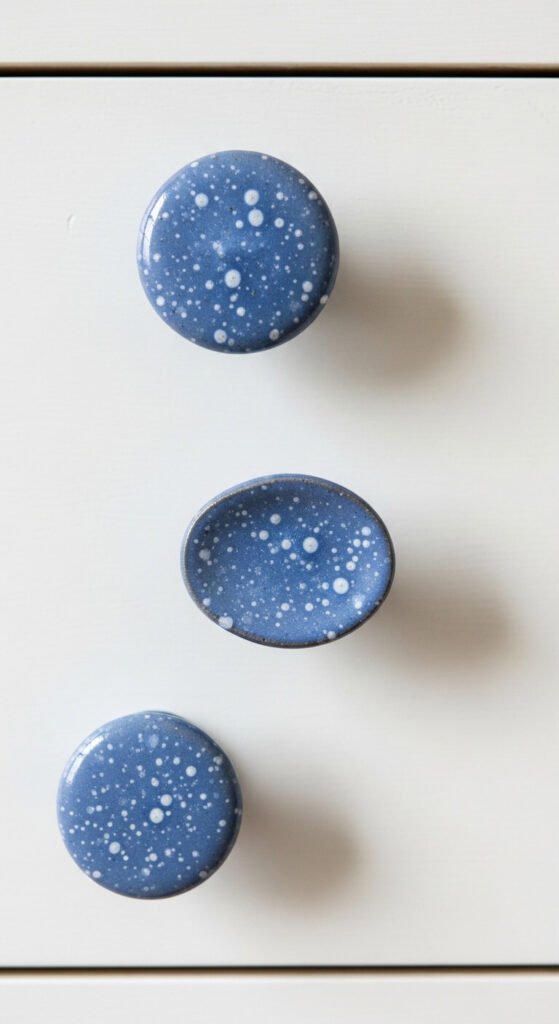
Ceramic cabinet knobs are one of the most affordable ways to introduce artisan quality into a kitchen or bathroom. Swap out standard hardware store pulls for handmade ones and the entire room feels more considered. Look for sets in consistent glaze colors — dusty blue, warm terracotta, or simple white with speckle. They do not need to be identical; slight variation within the same glaze palette works well. Individual ceramic knobs cost $8–$20 each from Etsy makers. Replacing just six or eight knobs on a cabinet can make a strong visual impact for under $100.
19. Ceramic Lanterns with Cut-Out Patterns
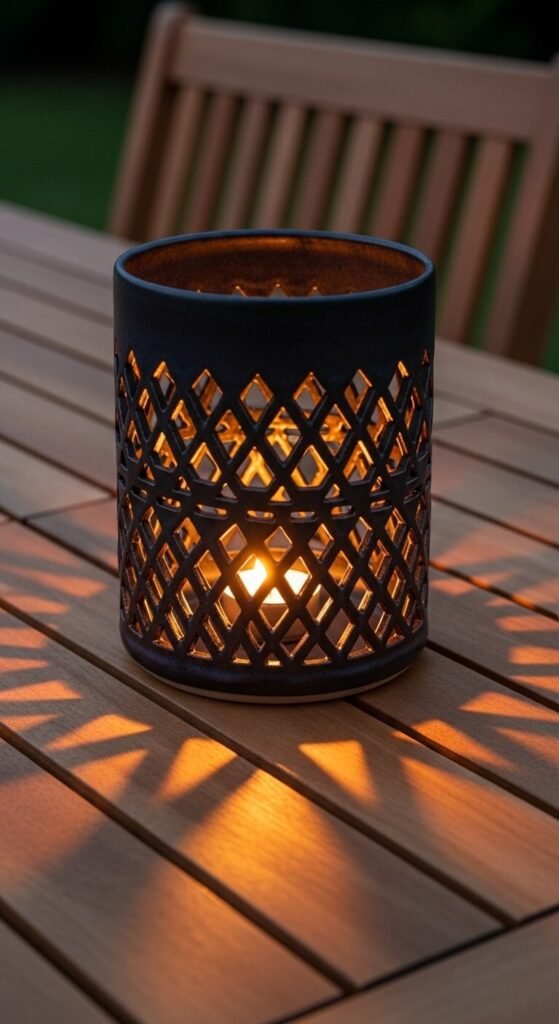
Ceramic lanterns with cut-out patterns become entirely different objects when lit. During the day they are interesting sculptural forms. At night, with a tea light inside, they cast patterned shadows across every nearby surface. Look for stoneware lanterns with geometric cut-outs — diamonds, stars, or organic leaf shapes work well. These are great for dining tables, mantelpieces, or outdoor patios. Artisan lanterns cost $40–$90 from craft vendors. The visual impact they create at night is disproportionately large compared to their size and price.
20. Pinched and Coiled Ceramic Bowls
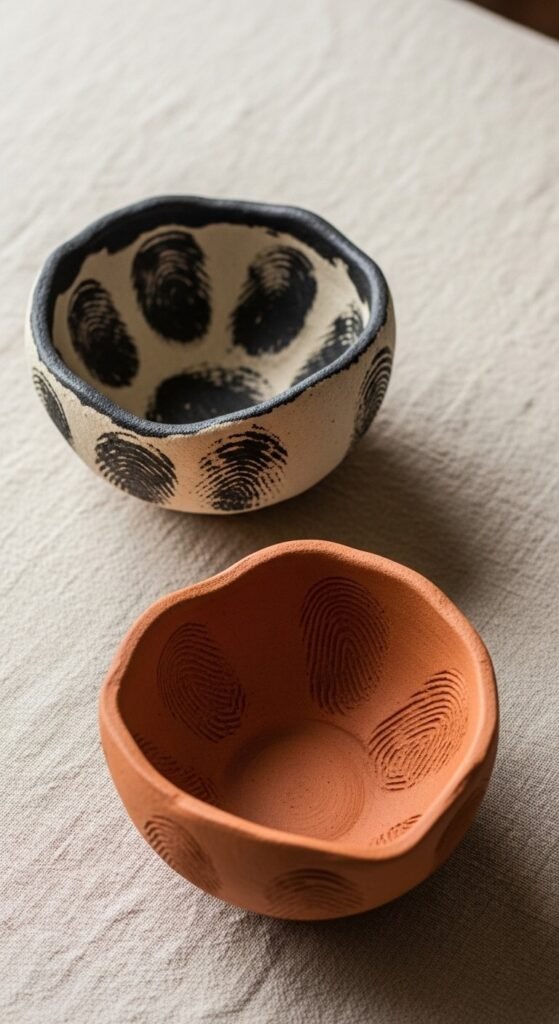
Pinch-built or coil-built bowls show the most direct evidence of the human hand. Every thumbprint, every slightly uneven wall — these are features, not flaws. Small pinch bowls work beautifully as jewelry dishes, salt cellars, or ring holders on a nightstand. Look for pieces with an unglazed or iron-washed exterior that shows off the clay body itself. These often cost less than wheel-thrown work — $15–$35 — because they do not require as much equipment. They are a great entry point for collecting handmade ceramics on a tight budget.
21. Ceramic Soap Dishes
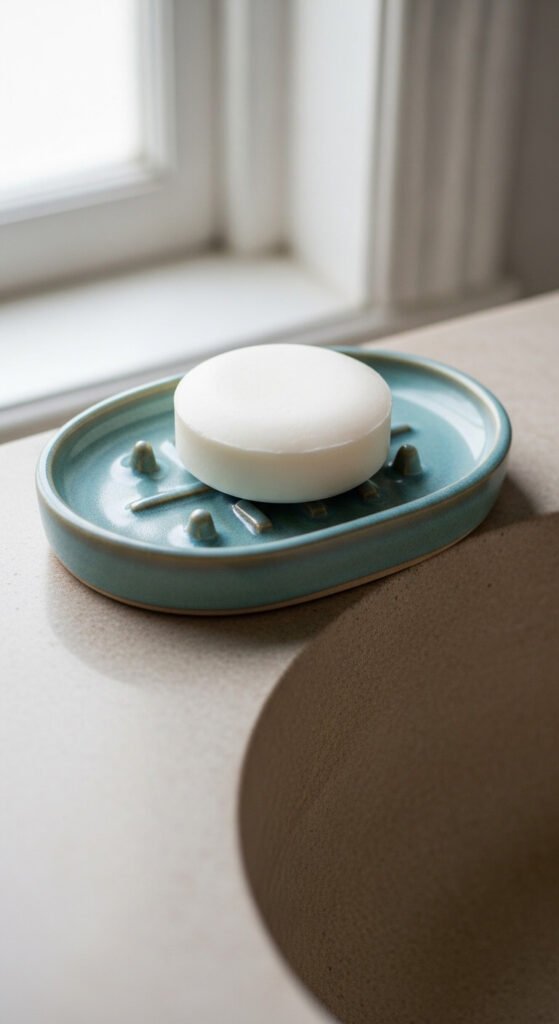
A handmade ceramic soap dish is a small upgrade that changes the feel of a bathroom instantly. Look for one with drainage ridges built into the interior — this is a functional detail that shows the potter thought about real-world use. Glazes in seafoam, warm sand, or deep cobalt work particularly well in bathroom settings. These are genuinely affordable: most cost $18–$35 from independent makers. Pair one with a ceramic toothbrush holder or small bud vase in the same glaze family to create a cohesive, curated bathroom vignette.
22. Ceramic Letter or Number Tiles
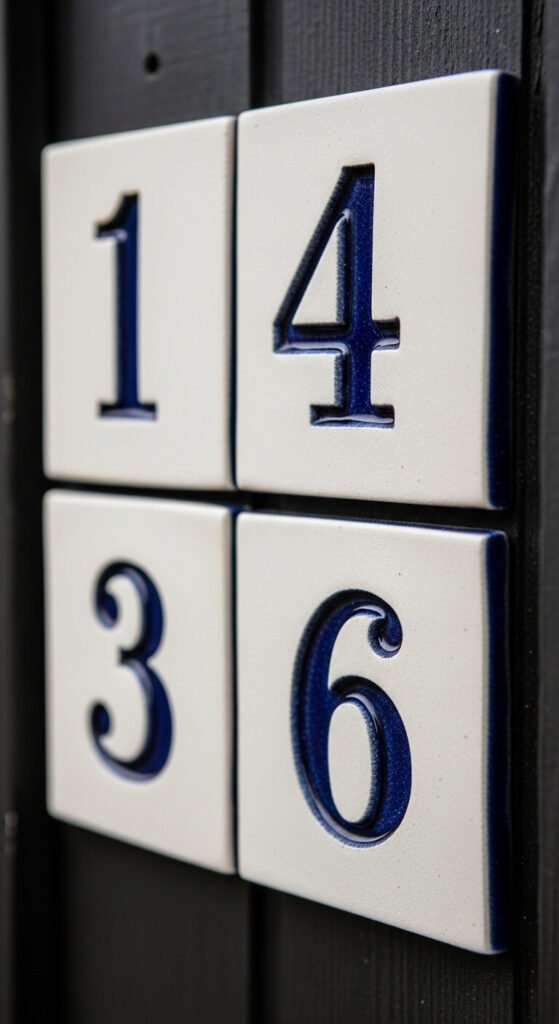
Ceramic letter or number tiles add a personal, artisan touch to exterior walls, kitchen spaces, or studio shelves. House numbers carved and fired in ceramic are especially compelling — far more interesting than standard aluminum numbers. Look for tiles where the letters or numbers are carved rather than painted on, so the design is integral to the clay. An independent ceramic artist can make custom tiles to order, usually for $25–$50 per tile. A set of four house numbers costs roughly $100–$200 and lasts indefinitely outdoors in most climates.
23. Ceramic Moon or Celestial Wall Hangings
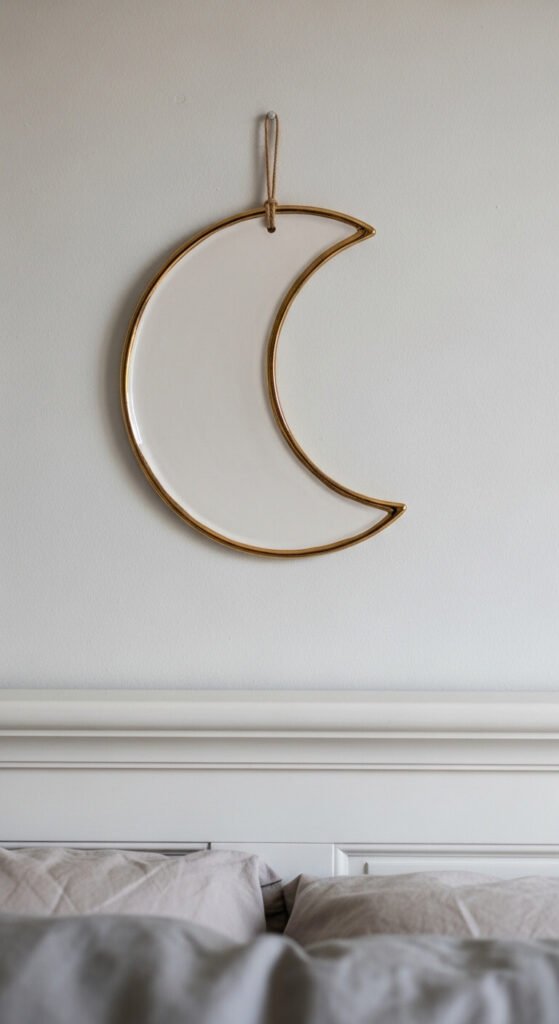
Ceramic moon and celestial wall pieces have become one of the most popular forms of artisan home decor, and for good reason — they are simple in form, meaningful in symbol, and beautiful in almost any space. Look for crescent or full-moon forms in matte white or natural terracotta. A thin gold luster rim adds warmth without looking overdone. These hang flat against a wall on a simple loop of twine. Prices range from $25–$70 depending on size and detail. Place one above a bed, a desk, or on a gallery wall as an anchor piece.
24. Ceramic Figurines and Small Sculptural Animals
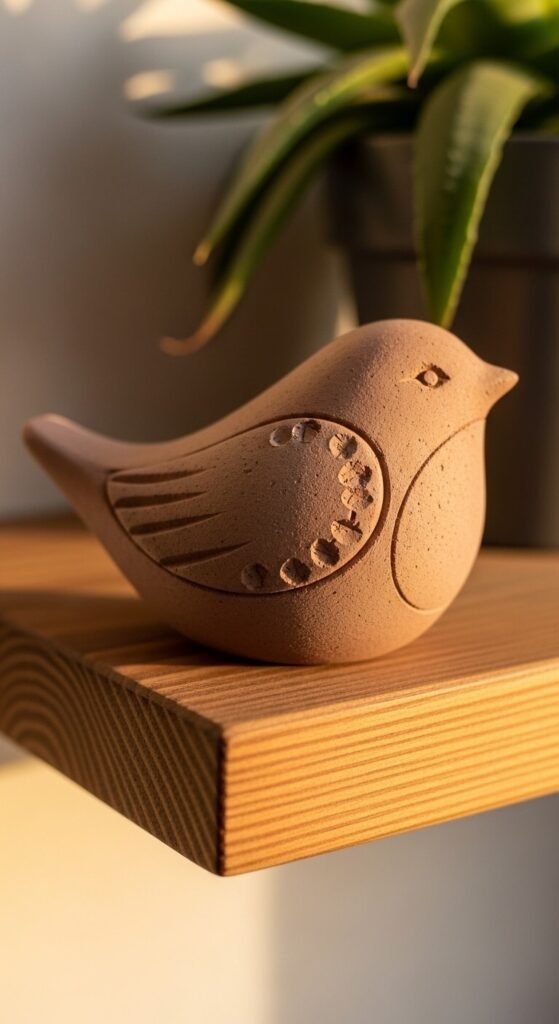
Ceramic animal figurines and small sculptural forms are among the most personal objects you can display in a home. A simple bird, a cat, a small abstract fish — these quiet objects carry a lot of character. Look for pieces where the animal form is simplified rather than hyper-realistic. Rough texture, unglazed surfaces, and carved marks give these figurines more presence than polished imitations of nature. Independent ceramic artists sell small figurines for $25–$75. Place one on a bookshelf between books, on a windowsill, or beside a plant. No further styling needed.
Conclusion
Handcrafted ceramic decor does not require a large budget or a perfectly designed room. It asks only that you pay attention to the objects you bring into your space. Each piece in this list — from a $15 pinch bowl to a $90 raku vessel — carries the time and intention of the person who made it. That is something no manufactured product can replicate. Start with one or two pieces that genuinely appeal to you. Place them somewhere you will see them every day. Over time, a small, thoughtful collection of artisan ceramics will do more for a room than a shelf full of matching store-bought decor ever could. Buy slowly, choose carefully, and let the work of skilled makers change how your space feels.