
Modern decor strips away the unnecessary and celebrates what remains. Clean lines, functional beauty, and intentional spaces define contemporary living. This isn’t cold or sterile—it’s about creating calm through simplicity. Modern homes prioritize quality over quantity, choosing pieces that serve both form and function. The aesthetic works in any space, from studio apartments to suburban houses. You don’t need a complete renovation or designer prices. Small changes create major impact. Swap heavy drapes for sheer panels. Replace ornate furniture with streamlined pieces. Add one statement light fixture. These shifts transform rooms instantly. Modern decor adapts to your life while maintaining visual peace. It’s livable, achievable, and timeless. Here are 23 trends that capture the essence of contemporary style and help you create spaces that feel both current and enduring.
Monochromatic Color Schemes
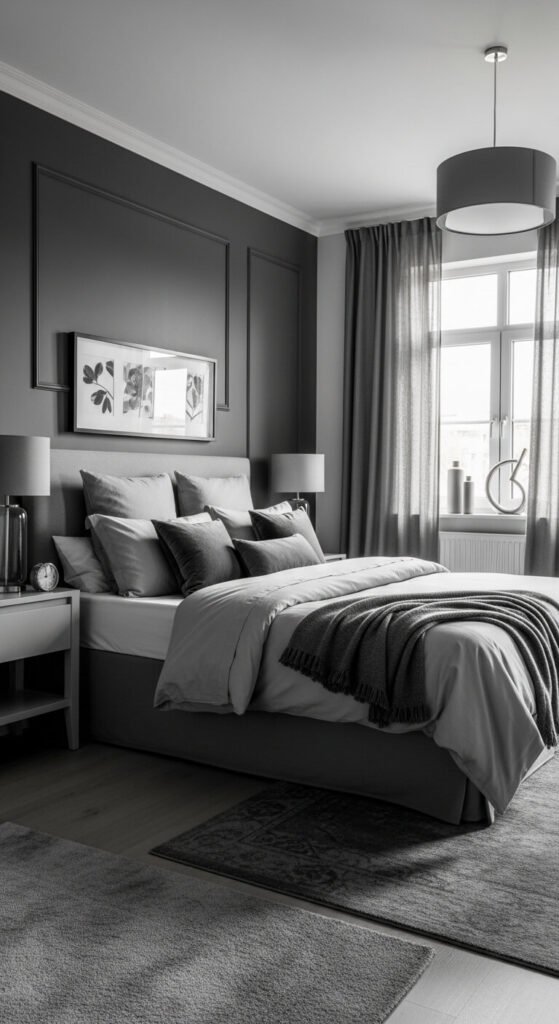
Pick one color and explore its full range. All-white rooms feel expansive and bright. Shades of gray create sophisticated calm. Even bold colors like navy work when you vary the tones.
Layer textures to prevent flatness. Matte walls, glossy tiles, soft fabrics—these variations create depth within one color family. Paint sample cards show you the range. Buy three or four shades of the same color. Use the darkest on accent walls, medium tones on furniture, lightest on textiles. This approach costs nothing extra but creates cohesive sophistication. The unified palette makes rooms feel larger and more intentional. Add one contrasting accent—a brass lamp, green plant—for visual relief.
Floor-to-Ceiling Windows
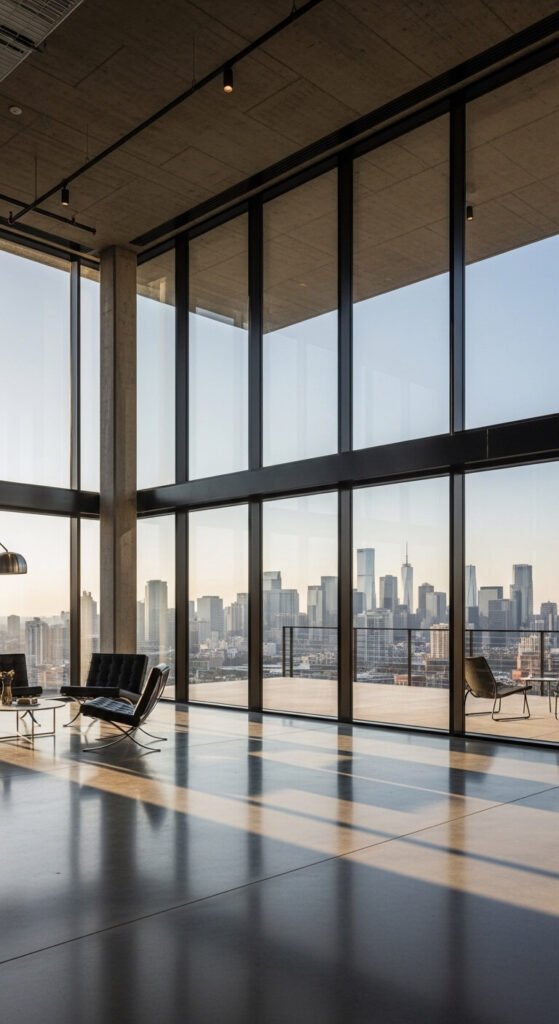
You can’t always install new windows, but you can maximize what you have. Remove heavy curtains. Keep windows bare or use sheer panels mounted at the ceiling.
Hang curtain rods as close to the ceiling as possible. This makes windows appear taller. Choose simple white or gray sheers that filter light without blocking it. The vertical lines draw eyes upward, making rooms feel more spacious. Clean windows regularly—natural light is the best modern decor element and it’s free. If privacy is a concern, use bottom-up shades that cover lower portions while leaving tops open. Light and transparency define modern spaces. Even small windows feel generous when properly framed and uncovered.
Floating Furniture Arrangements
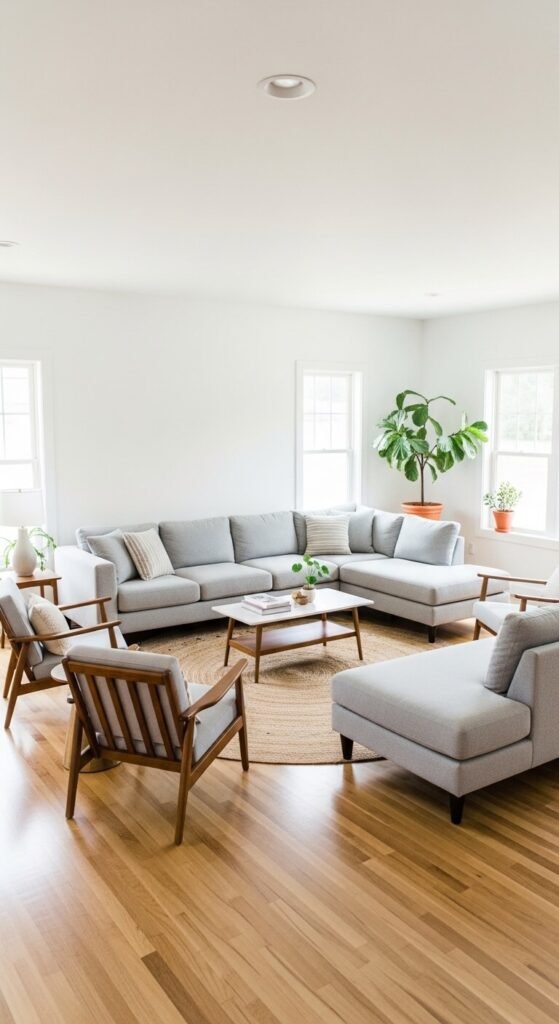
Pull furniture away from walls. Let pieces breathe with space around them. This creates distinct zones in open floor plans and makes rooms feel intentionally designed.
Angle sofas slightly or float them in room centers. Add a console table behind a floating sofa for function and visual completion. The exposed floor space makes rooms look larger, not smaller. Area rugs define furniture groupings. Make sure all front legs of furniture sit on the rug. This anchors the floating arrangement. The approach works in any sized room. Even moving furniture 12 inches from walls creates architectural breathing room. You’ll never want to push everything against walls again.
Statement Lighting Fixtures
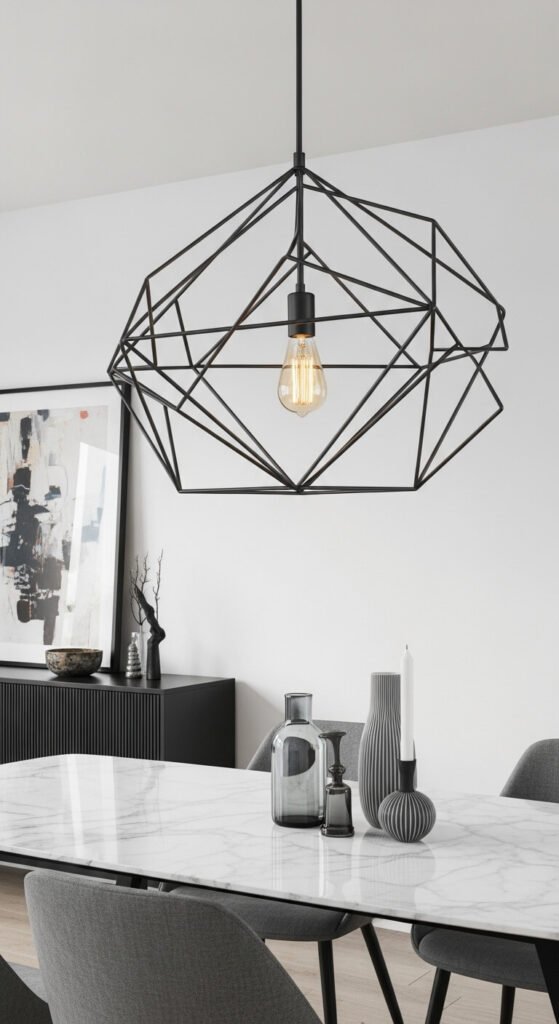
One dramatic light fixture transforms entire rooms. Oversized pendants, sculptural chandeliers, and geometric designs act as functional art. They draw the eye and anchor spaces.
Replace builder-grade fixtures with statement pieces. Pendants over dining tables should hang 30-36 inches above the surface. Measure before buying. Black metal fixtures work everywhere—they’re modern without being cold. Gold and brass add warmth. Look for clean geometric shapes—circles, rectangles, hexagons. Avoid ornate details. Installation takes 30 minutes if you’re replacing existing fixtures. Turn off the breaker, follow instructions, or hire an electrician for $80-$150. One bold light beats ten mediocre ones. This single change delivers maximum visual impact.
Open Shelving in Kitchens
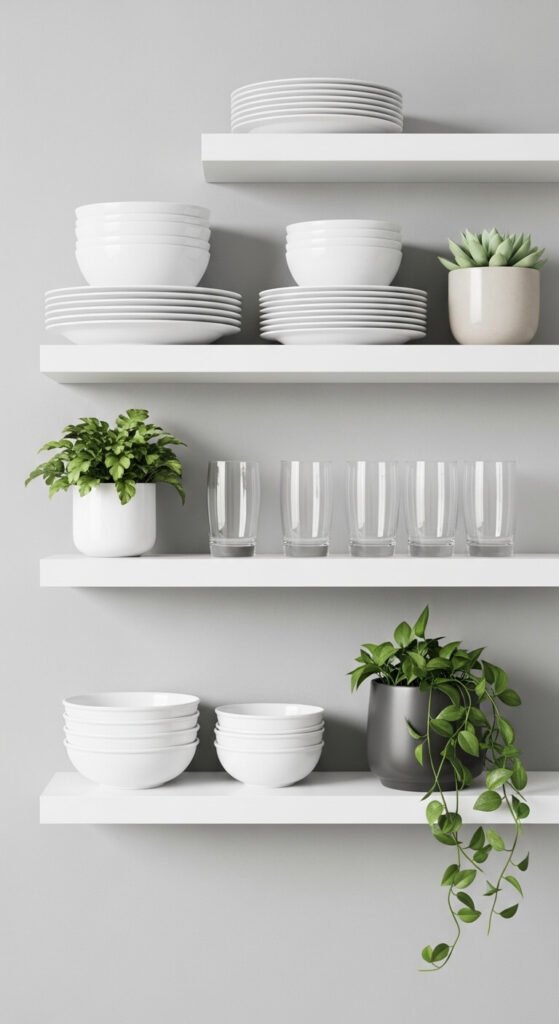
Remove upper cabinet doors or replace cabinets with floating shelves. Open storage creates an airy feel while forcing you to keep things tidy. The exposed items become decor.
Display only what you use and love. Stack white dishes. Line up matching glasses. Add small plants or wooden cutting boards. The key is restraint—don’t pack shelves full. Leave space between items. This creates the edited aesthetic modern design demands. Floating shelves cost $12-$30 per shelf. Install them yourself using a level and stud finder. Paint the wall behind shelves a contrasting color for depth. The openness makes kitchens feel larger and more inviting.
Low-Profile Platform Beds
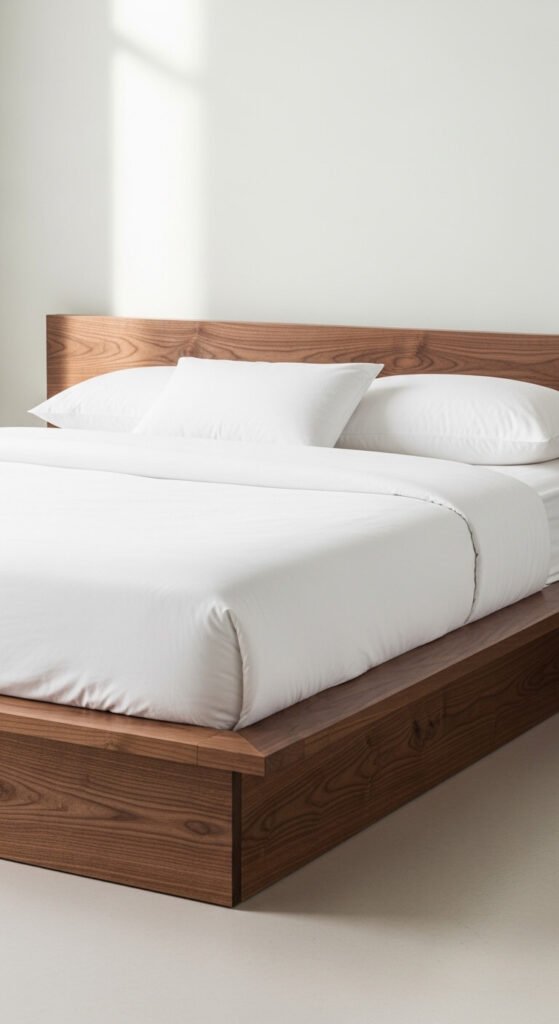
Platform beds sit close to the floor with simple frames and no box springs. The low profile creates a calm, grounded feeling. They’re also cheaper than traditional beds.
Buy just the frame for $150-$400. Add a mattress directly on the slats. The streamlined silhouette makes bedrooms feel more spacious. Choose wood for warmth or upholstered versions for softness. Skip ornate headboards. Let the horizontal lines speak. If you want a headboard, choose a simple panel that doesn’t extend beyond the bed width. Platform beds work in small rooms because they don’t visually dominate. The low center of gravity creates a zen-like atmosphere. Modern bedrooms feel like retreats, not showrooms.
Large-Scale Abstract Art
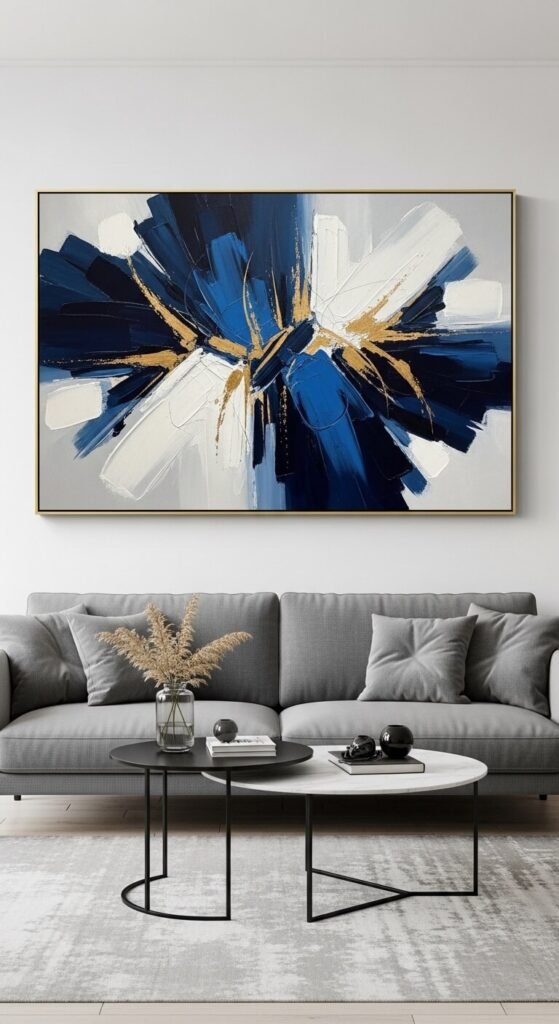
One large piece beats a wall of small frames. Oversized art creates instant sophistication and fills walls with confidence. Go as big as your budget and wall allow.
Original art runs expensive, but prints from sites like Society6 or Minted cost $50-$200 framed. Choose abstract pieces with two or three colors that match your room. The simpler the better. Hang art at eye level—57-60 inches from floor to center. Large art makes rooms feel curated and complete. DIY versions work too. Buy a large canvas ($30-$60) and create your own abstract using painter’s tape and acrylic paint. Geometric patterns in your room’s colors look intentional and gallery-worthy. The scale matters more than the content.
Polished Concrete or Tile Floors
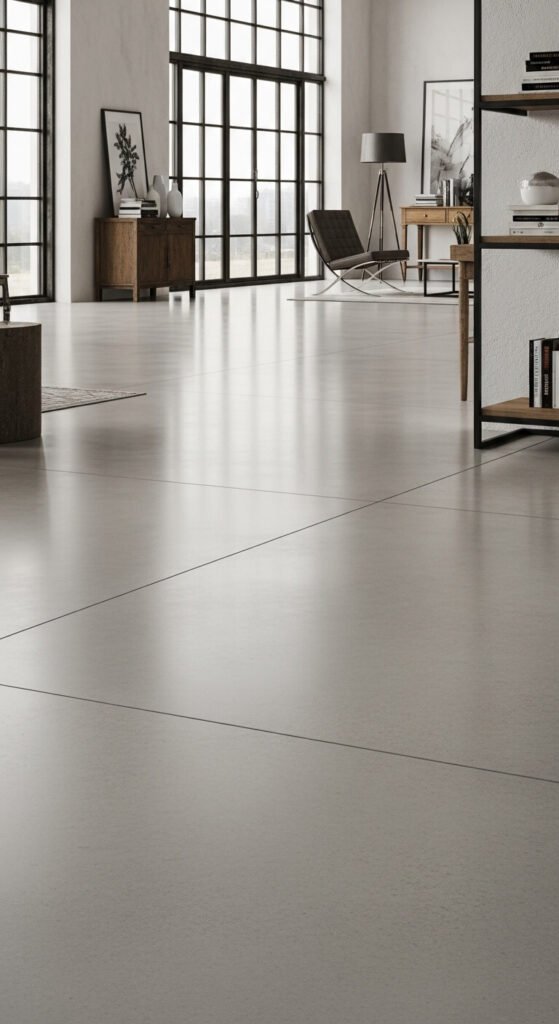
Concrete floors define modern spaces. If you’re building or renovating, polished concrete costs $3-$12 per square foot. For existing homes, large-format tiles mimic the look.
Choose 24×24 inch or larger tiles in gray, white, or beige. Minimal grout lines create a seamless appearance. The hard surfaces reflect light and make spaces feel larger. Add area rugs for warmth and sound absorption. Concrete and tile are incredibly durable and low-maintenance. Sweep and mop—that’s it. No refinishing, no special treatments. The cool tones provide a neutral foundation that works with any furniture. If you can’t change flooring, large rugs in solid neutral colors create similar visual impact.
Handleless Kitchen Cabinets
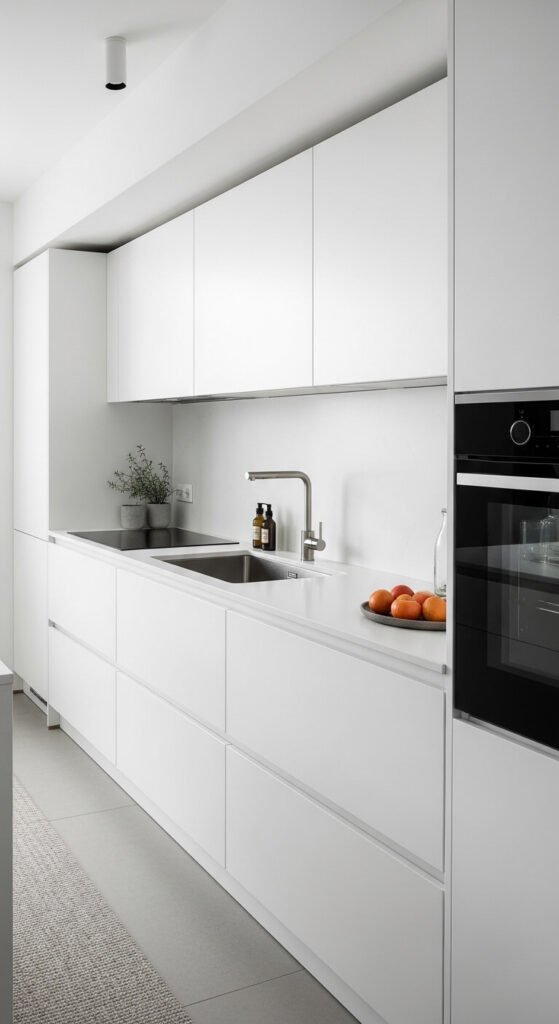
Cabinets without handles create seamless surfaces. Push-to-open mechanisms or recessed pulls maintain clean lines. The uninterrupted faces feel calmer and more spacious.
If renovating, specify handleless cabinets. For existing kitchens, remove handles and install push-to-open hardware for $8-$15 per cabinet. Or choose slim horizontal pulls that blend with cabinet color. The goal is minimal visual interruption. Handleless cabinets force cleanliness—there’s nowhere for grime to hide around hardware. They’re easier to wipe down. The sleek appearance makes kitchens feel more expensive than they are. This is high-end design achievable on moderate budgets. Every detail matters in modern spaces.
Oversized Indoor Plants
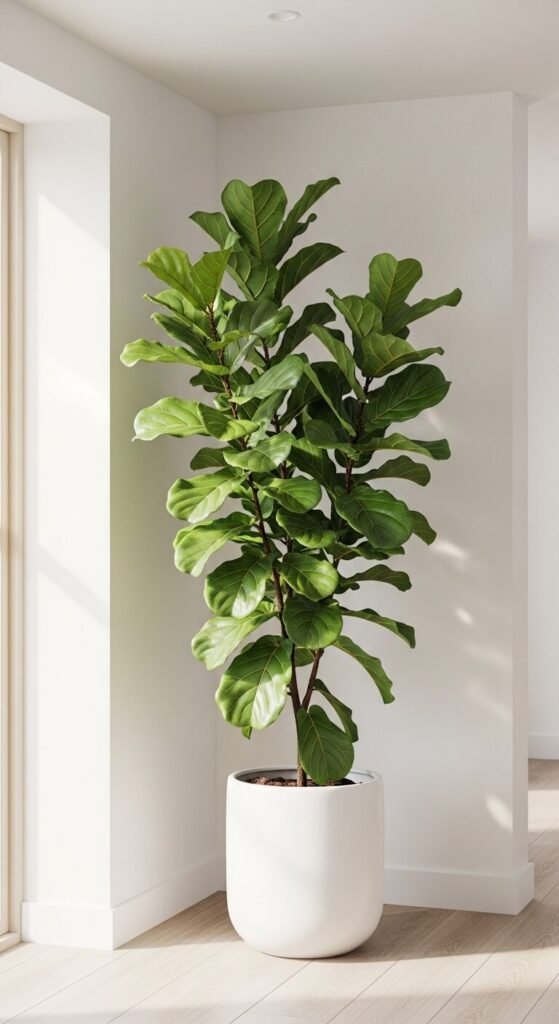
Large plants add life without clutter. Fiddle leaf figs, monstera, and bird of paradise work as living sculptures. They soften hard edges and bring nature indoors.
Buy plants 4-6 feet tall from nurseries for $40-$100. Place them in floor-standing planters in corners or beside furniture. The vertical height draws eyes upward and fills empty space beautifully. Plants improve air quality and add the only pattern modern rooms need—nature’s own. Choose simple white or concrete planters. Nothing decorative or colorful. Water weekly and rotate for even growth. Even low-light varieties exist for darker rooms. Living decor that grows with you and costs less than art.
Integrated Appliances
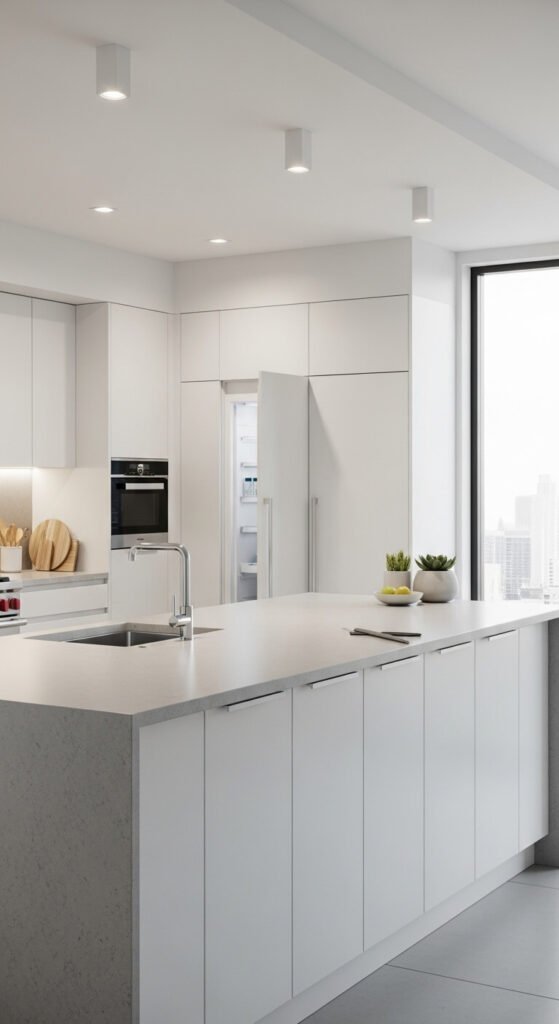
Appliances that blend into cabinetry create uninterrupted lines. Panel-ready refrigerators and dishwashers hide behind cabinet doors. The kitchen looks like furniture, not a showroom.
Panel-ready appliances cost more upfront but create seamless design. If that’s not possible, choose all stainless steel or all white appliances. Matching finishes create cohesion. Keep small appliances off counters—store them in cabinets. Only coffee makers earn counter real estate in modern kitchens. The edited countertop makes kitchens feel calm and spacious. Even with visible appliances, keeping surfaces clear creates the modern look. Function and beauty coexist when nothing competes for attention.
Geometric Patterns in Textiles
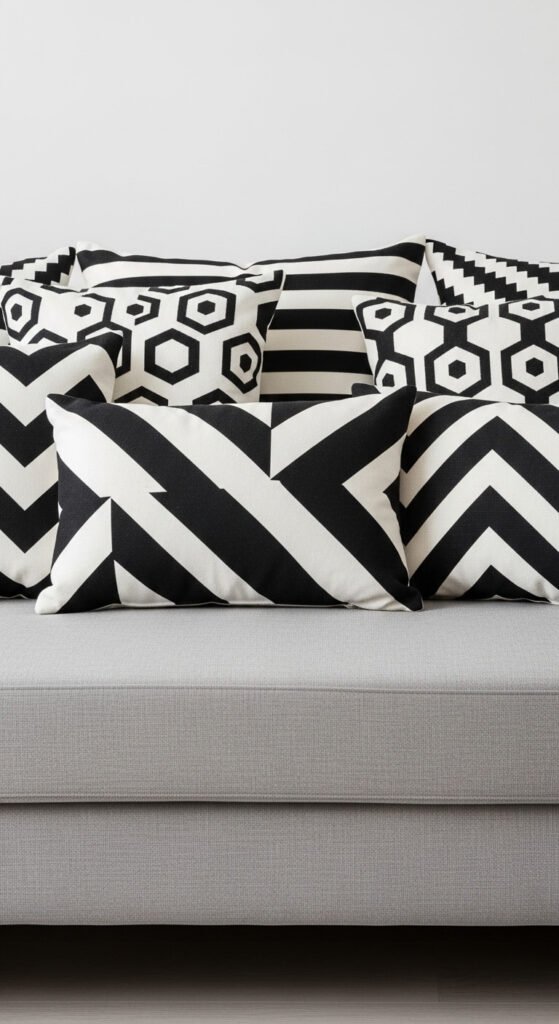
Modern patterns are geometric, not floral. Stripes, chevrons, hexagons, and triangles add interest while maintaining clean aesthetics. Black and white versions work everywhere.
Add geometric pillows to solid sofas. Choose rugs with simple repeating patterns. The shapes create movement without chaos. Stick to two patterns maximum in one room. Mix scales—pair large geometric with small. This prevents pattern overload. Geometric designs read as sophisticated, not busy. IKEA and Target carry affordable options under $30. The patterns add personality while respecting modern design principles. Visual rhythm without sacrificing simplicity.
Glass Partitions and Walls
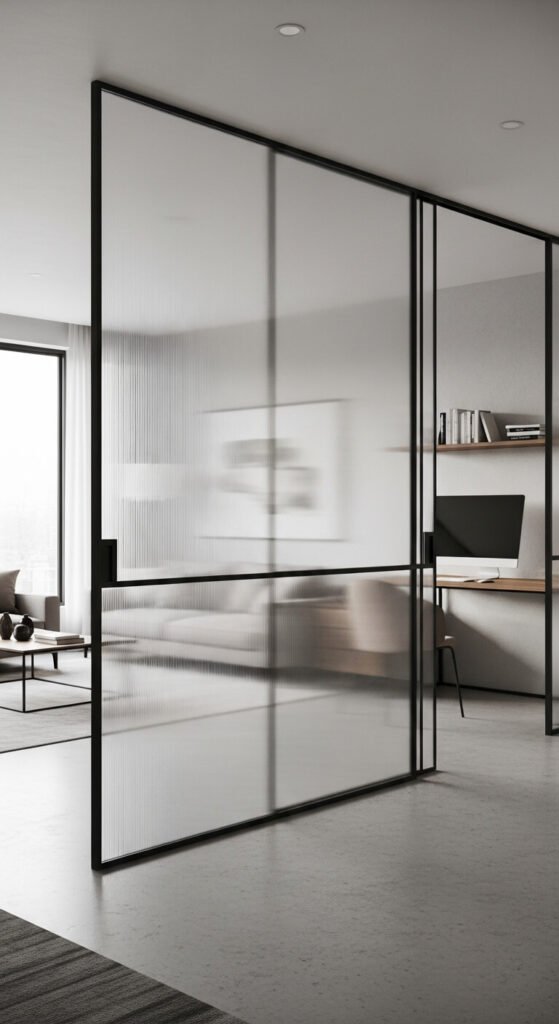
Glass divides spaces without blocking light. Use it for home offices, walk-in closets, or bathroom walls. The transparency maintains openness while creating definition.
Frosted glass provides privacy. Clear glass maximizes light. Black-framed glass partitions cost $500-$1500 installed, depending on size. For budget versions, use tall glass-front bookcases as room dividers. The see-through quality keeps sight lines open. Smaller interventions work too. Replace solid shower doors with frameless glass ($400-$800). The bathroom instantly feels larger. Glass maintains visual continuity that solid walls can’t. Light flows freely, making every square foot count.
Minimalist Shelving Systems
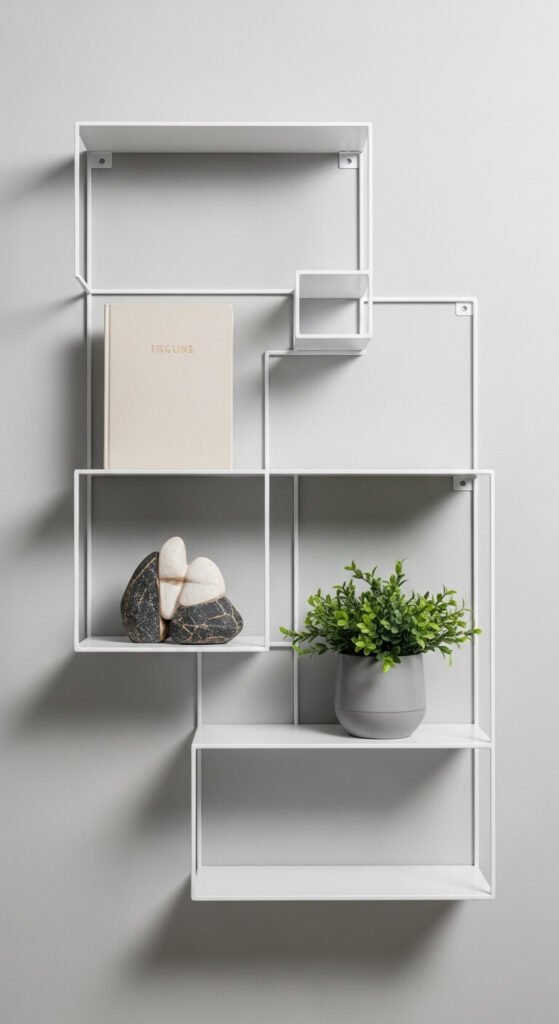
Open shelving displays select items, not entire collections. Modular systems like String Shelves or IKEA EKBY adapt to your space and budget. The frameworks themselves become art.
Install shelving but don’t fill it completely. Display books with spines facing out. Add one plant, one object, one framed photo per shelf. The empty space is the design. This approach forces editing—you keep only what matters. White or black shelving disappears against similarly colored walls. Wood adds warmth. The key is restraint. Curated minimalism beats cluttered abundance every time. These systems cost $100-$400 and install in an afternoon.
Hidden Storage Solutions
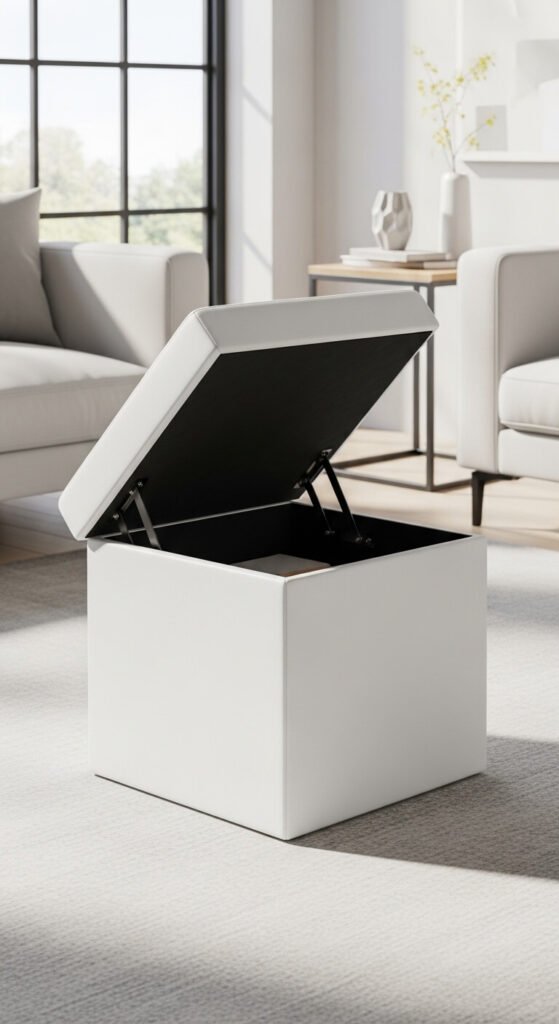
Modern spaces hide clutter. Ottomans with storage, beds with drawers, and wall-hung cabinets conceal daily mess. The rooms stay visually calm while remaining functional.
Every piece should work double duty. Coffee tables with hidden compartments store remotes and magazines. Benches with lift-up seats hold shoes. Wall-mounted cabinets keep bathrooms tidy. The goal is clear surfaces. If you can’t see the clutter, the space feels serene. Buy furniture with hidden storage built-in. IKEA specializes in this. A $70 storage bench looks like a simple seat. Invisible organization is modern design’s secret weapon.
Matte Black Fixtures and Hardware
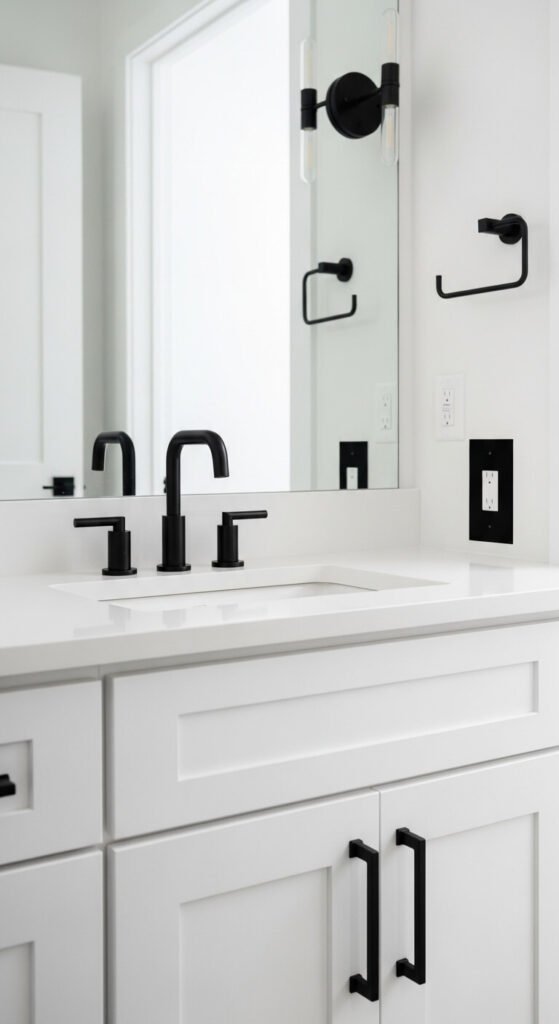
Matte black replaces chrome and brass as the modern metal of choice. Faucets, cabinet pulls, door handles, and light switches in matte black create sophisticated contrast.
The finish hides fingerprints and water spots better than shiny metals. It works with any color scheme—warming up cool tones and grounding warm ones. Replace hardware yourself. Cabinet pulls cost $3-$8 each. Faucets run $80-$300. Light switch plates are $5. The consistency creates intentional design throughout your home. Even mixing some black hardware with existing finishes works. The dark accents define edges and add visual weight without feeling heavy.
Waterfall Edge Countertops
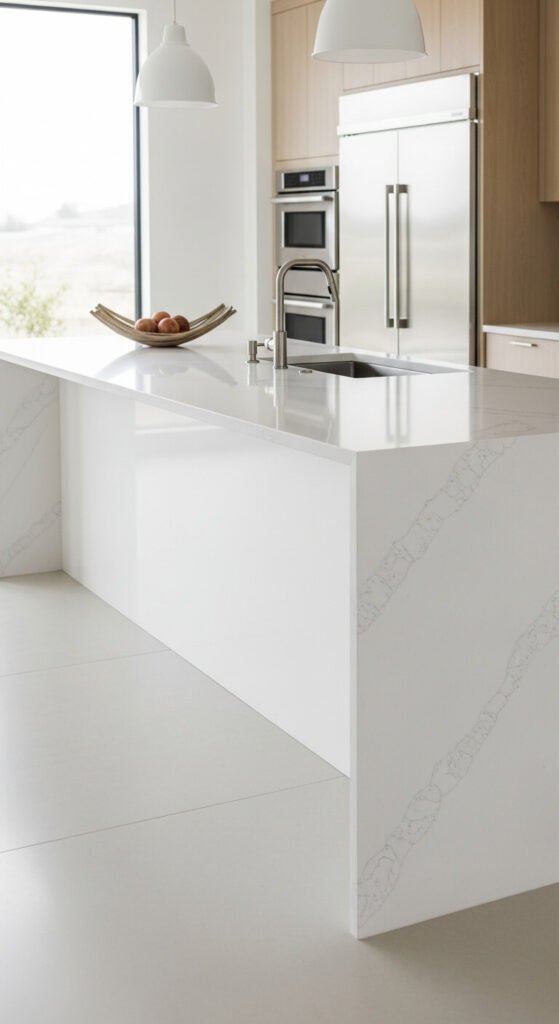
Countertops that extend vertically down sides create sleek statements. The continuous surface feels luxurious and architectural. It works on islands, desks, and bathroom vanities.
Waterfall edges add $300-$800 to countertop costs depending on material. Quartz and marble look best. The vertical continuation eliminates visual breaks, making pieces feel like sculpture. This detail communicates modern luxury instantly. If full waterfall edges exceed budget, do one end of an island. Even partial implementation creates impact. The seamless look justifies the cost in high-use spaces like kitchens. It’s a detail that elevates the entire room.
Linear Fireplaces
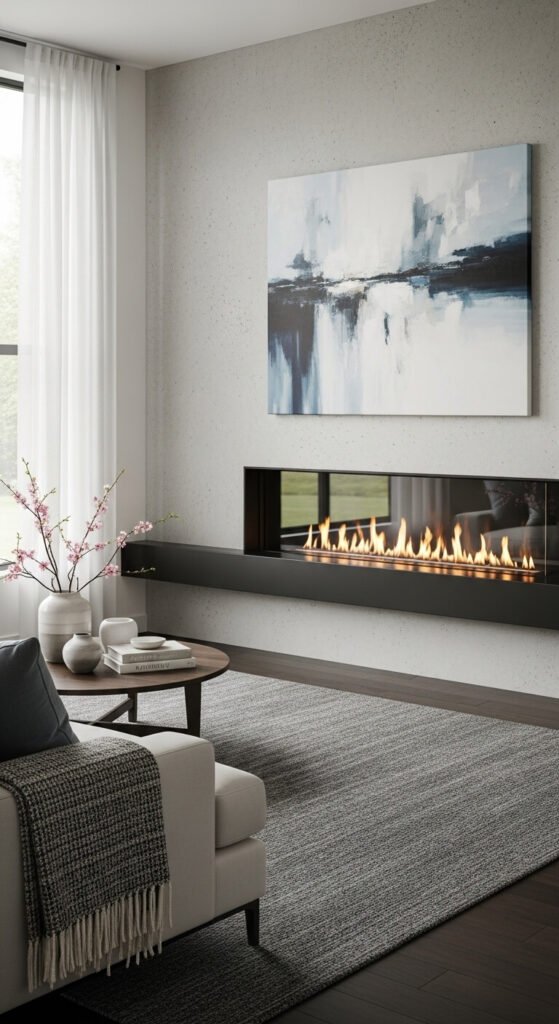
Forget traditional fireplaces. Modern versions are wide and low—emphasizing horizontal lines. Gas inserts create the look without needing chimneys. They’re clean and controllable.
Linear fireplaces cost $2000-$5000 installed. They create instant focal points. If renovation isn’t possible, electric versions ($300-$800) mount on walls and provide ambiance. The wide format anchors rooms differently than traditional vertical fireplaces. Place them at floor level or raised—both work. The flames provide warmth and movement. The horizontal emphasis makes rooms feel wider and more grounded. This architectural element defines contemporary luxury.
Textured Accent Walls
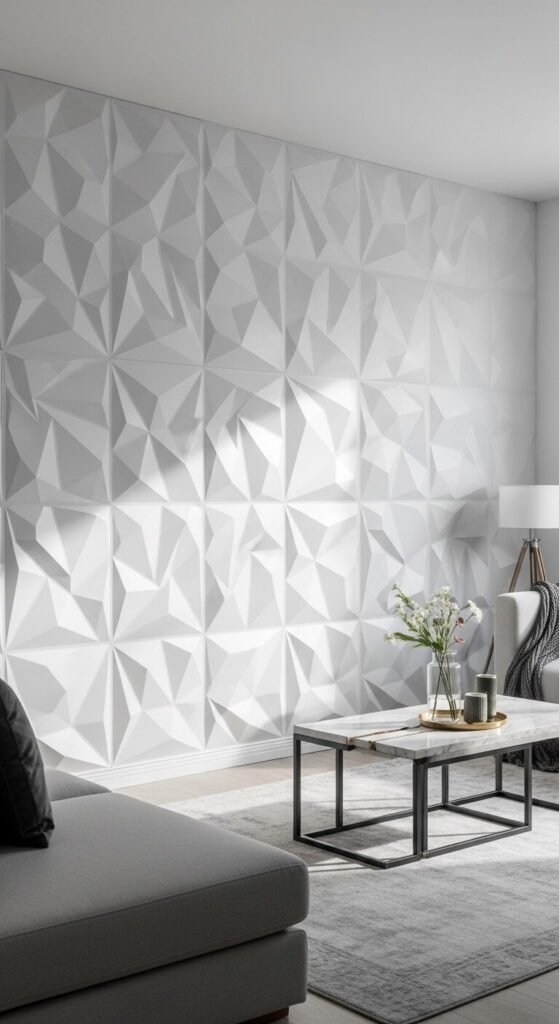
Modern accent walls use texture, not color. 3D wall panels, wood slats, or concrete panels add depth. The dimensional quality creates interest while staying neutral.
Buy 3D panels online for $5-$15 per square foot. They attach directly to walls with adhesive. Choose geometric patterns or organic ripples. Paint them the same color as your walls for subtle sophistication or contrasting colors for drama. DIY versions use 1×2 wood strips attached vertically with spacing between. Paint everything one color. The shadow play throughout the day creates movement. This works behind beds, sofas, or in dining rooms. Texture beats pattern in modern design.
Cantilever Furniture
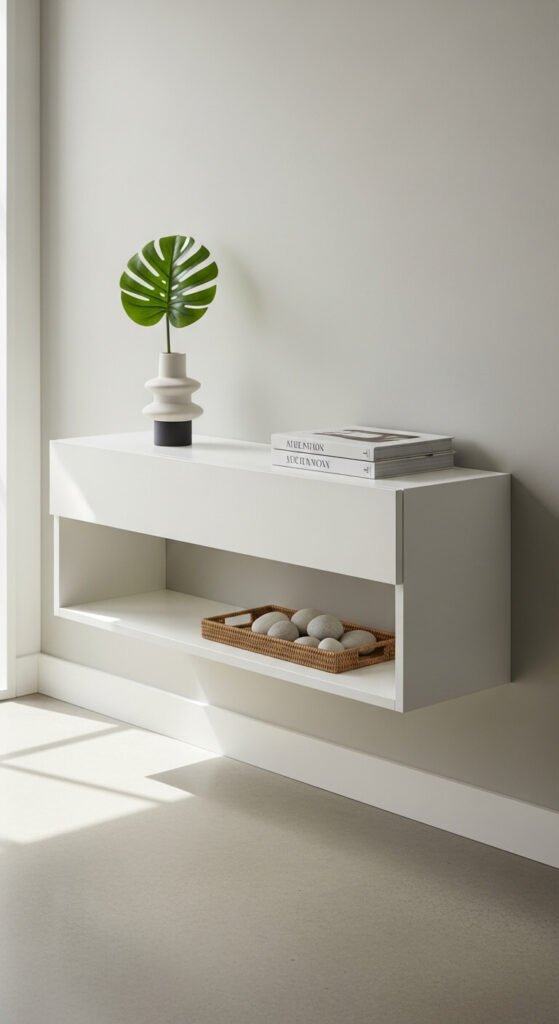
Furniture that appears to float defies gravity and creates visual interest. Cantilever desks, nightstands, and consoles mount on walls without visible supports. The suspension is the statement.
Wall-mounted desks cost $100-$300. They free up floor space while looking impossibly sleek. Install into studs for proper support. Floating nightstands ($60-$150) make bedrooms feel more spacious. The exposed floor underneath is easy to clean. This approach works in small spaces where every inch matters. The architectural drama of suspended furniture elevates ordinary rooms. Even skeptics become converts once they see the effect.
Smart Home Integration
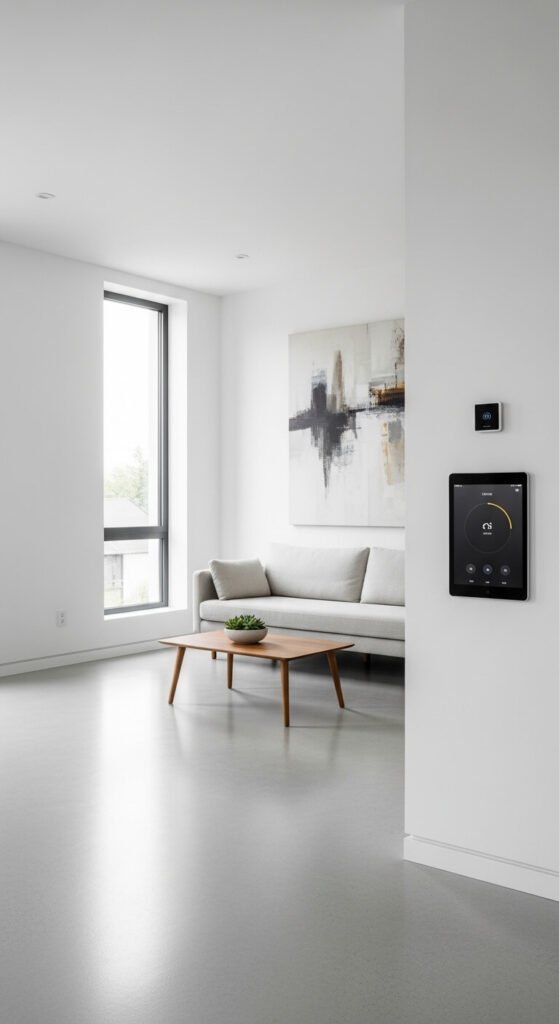
Modern homes hide technology. Smart switches replace bulky dimmers. Wireless speakers eliminate cords. Voice control means fewer devices cluttering surfaces.
Replace light switches with smart versions ($40-$80 each). Control them from your phone. Install wireless charging pads ($20-$40) inside drawers to charge phones invisibly. Mount TVs and hide cords inside walls ($200 for professional installation). The less visible your tech, the cleaner the aesthetic. Smart thermostats are sleek and programmable. Nest or Ecobee ($150-$250) look better than traditional thermostats. Seamless technology enhances life without dominating the space visually.
Monolithic Furniture Pieces
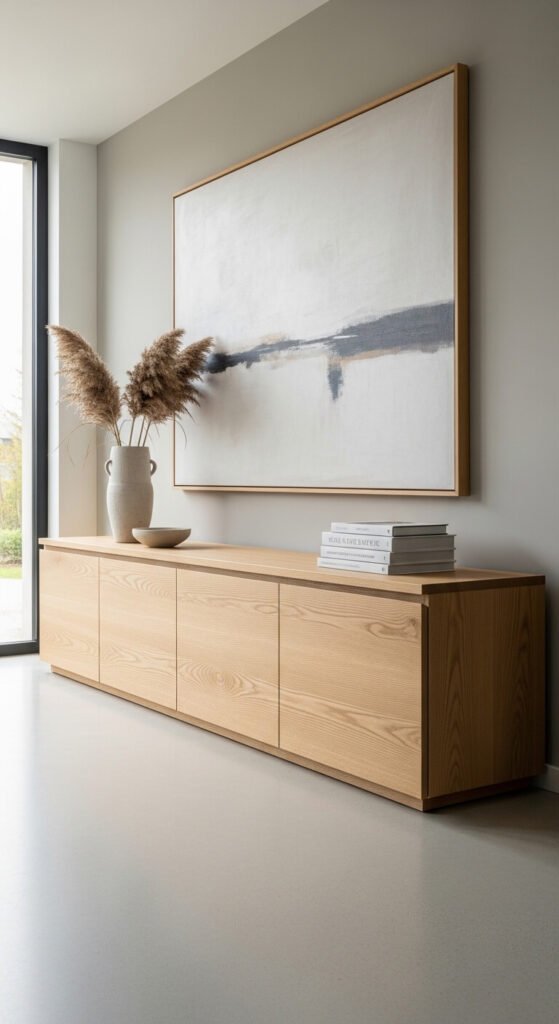
Large, simple furniture pieces make stronger statements than collections of small items. One substantial credenza beats three separate pieces. The solid forms anchor rooms with quiet confidence.
Choose furniture with simple geometric shapes. Rectangular credenzas, square coffee tables, cylindrical side tables. Avoid ornate details or hardware. The form is the statement. Solid wood pieces run $300-$1000 but last forever. The weight and presence of monolithic furniture creates architectural grounding. Rooms feel more intentional with fewer, larger pieces. This approach also simplifies decorating—one great piece needs minimal styling.
Conclusion
Modern decor proves that less truly is more. Each trend here strips away excess while adding intentional beauty. You don’t need everything—choose what resonates with your space and budget. Start with three changes. Maybe it’s painting everything one color, adding a statement light, and removing clutter from surfaces. Those shifts alone transform rooms dramatically. Modern design isn’t about cold spaces or uncomfortable living. It’s about creating calm, functional homes that feel like sanctuaries. The clean lines and thoughtful choices reduce visual noise and mental clutter. Your space becomes easier to maintain and more enjoyable to inhabit. Modern living is accessible at any price point. Implement these trends gradually. Pay attention to how each change affects your daily experience. The result is a home that feels current, personal, and timeless—a space that supports your life instead of complicating it.