
Minimalist decor isn’t about living with nothing—it’s about living with what matters. When you strip away the excess, you create space for clarity, calm, and intention. Your home becomes easier to clean, less stressful to maintain, and more focused on the experiences that actually bring you joy. This approach works on any budget and in any space. You don’t need expensive furniture or a complete renovation. Small, thoughtful changes add up quickly. Whether you’re drowning in clutter or just craving a simpler aesthetic, these 22 tips will help you simplify your space and transform how you live.
Start With One Room at a Time

Don’t try to minimize your entire home overnight. Pick one room—your bedroom, living room, or even just a closet. Clear everything out. Only bring back what you use regularly or love deeply.
This method prevents burnout and lets you see results fast. Start small with a bathroom drawer. Remove expired products and duplicates. You’ll feel the difference immediately. That momentum carries you forward. When one space feels calm, you’ll want that feeling everywhere. Give yourself permission to go slow. Real change happens in stages, not all at once.
Use the 90/90 Rule for Decluttering
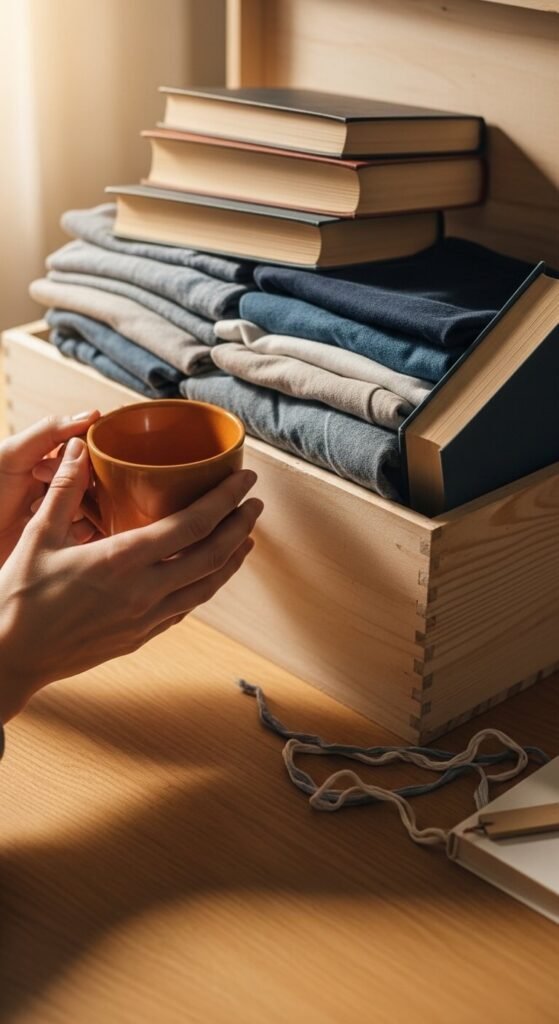
Ask yourself: Have I used this in the last 90 days? Will I use it in the next 90? If both answers are no, let it go. This simple rule cuts through emotional attachment and helps you see what actually serves your life.
Apply this to clothes, kitchen gadgets, decor, and books. Most items fail this test. That blender you bought two years ago? Gone. The decorative bowl collecting dust? Donate it. Keep seasonal items like winter coats or holiday decorations—those have obvious cyclical use. Everything else should earn its place. The space you gain is worth more than the stuff you’re holding onto “just in case.”
Choose a Neutral Color Palette
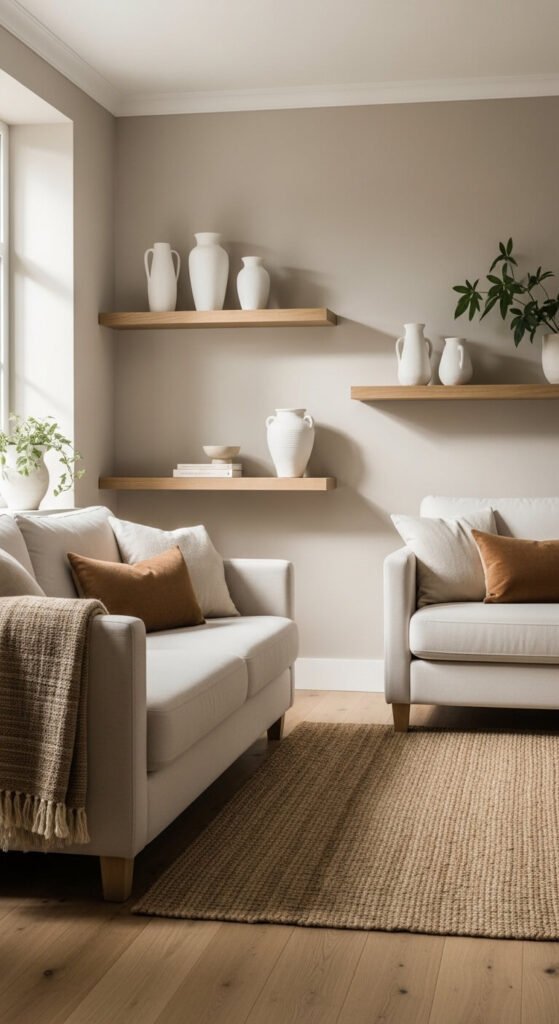
Stick to whites, beiges, grays, and earth tones as your base. These colors create visual rest and make rooms feel larger. They also hide imperfections better and work with any style.
Paint is cheap. One gallon covers most accent walls for under $40. Choose one neutral for walls and add depth with textures—linen curtains, wool throws, wooden furniture. You can always add pops of color through pillows or plants. But the neutral foundation stays constant. This approach simplifies decorating decisions. Everything coordinates automatically. No more stressing about whether patterns clash. Your space feels cohesive without trying.
Invest in Quality Over Quantity
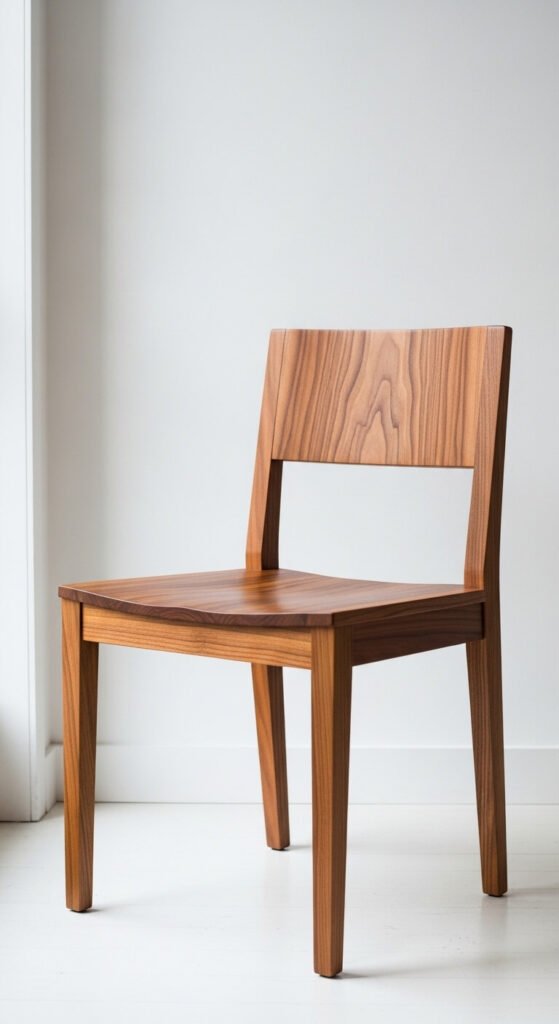
Buy fewer things, but make them count. One solid wood table beats five cheap particle board pieces. Quality items last decades and age beautifully.
Check thrift stores and estate sales for real wood furniture. A $50 vintage dresser often outlasts a $200 big-box purchase. Sand it down and apply natural oil for a DIY refresh under $20. Same goes for textiles. One 100% linen pillowcase feels better than three polyester ones. You’ll use and appreciate quality pieces daily. They don’t break, warp, or need replacing. Over time, this approach actually saves money while keeping your space cleaner and simpler.
Clear Your Countertops Daily
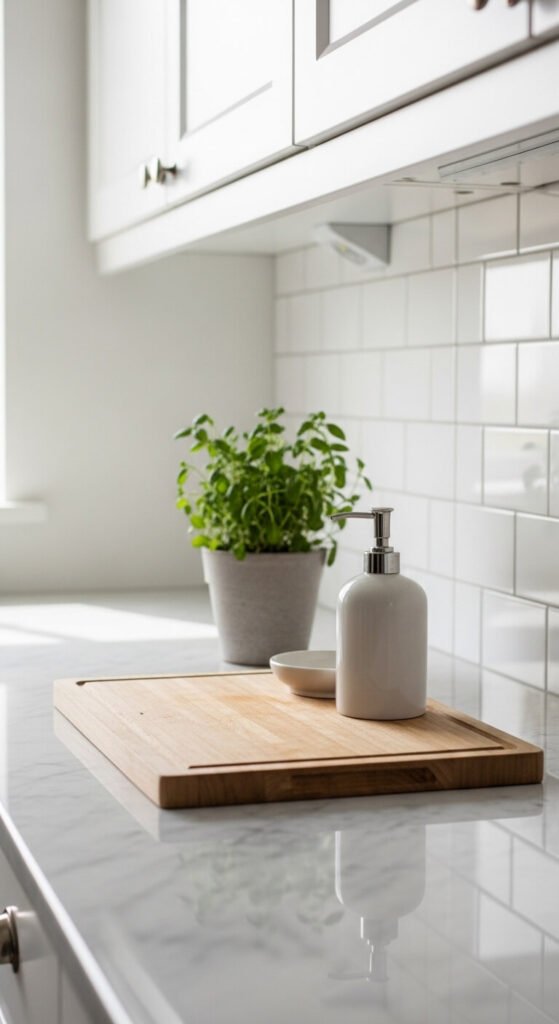
End each day with empty counters. Put appliances in cabinets. Tuck away mail and random items. This five-minute habit transforms your kitchen and bathroom instantly.
When counters stay clear, cooking and cleaning get easier. You’re not moving clutter to wipe down surfaces. Mornings feel calmer. Use drawer dividers (DIY with cardboard boxes) to organize what goes inside cabinets. Store your coffee maker if you only use it mornings. Keep one small soap dispenser out, nothing else. The visual spaciousness reduces stress. Even tiny counters feel generous when they’re empty. This single habit creates the minimalist look people pay designers thousands to achieve.
Adopt the One-In-One-Out Rule
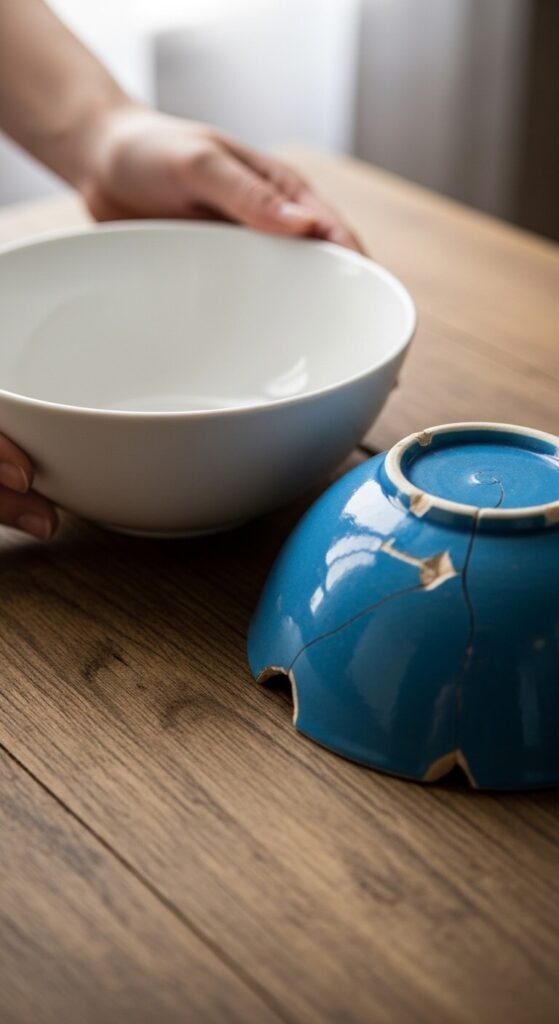
When you bring something new home, remove something old. Buy a shirt? Donate a shirt. Get a new mug? Pass along an old one. This keeps your possessions stable.
The rule forces you to evaluate purchases differently. Do you want this enough to let something else go? Usually, the answer is no. You’ll buy less impulsively. Set up a donation box in your closet. When it fills, take it to Goodwill. The system maintains itself. You never accumulate more than you can manage. Your space stays balanced without huge decluttering sessions. Think of your home as having a fixed capacity. Protect that space by being selective about what enters.
Use Multi-Functional Furniture
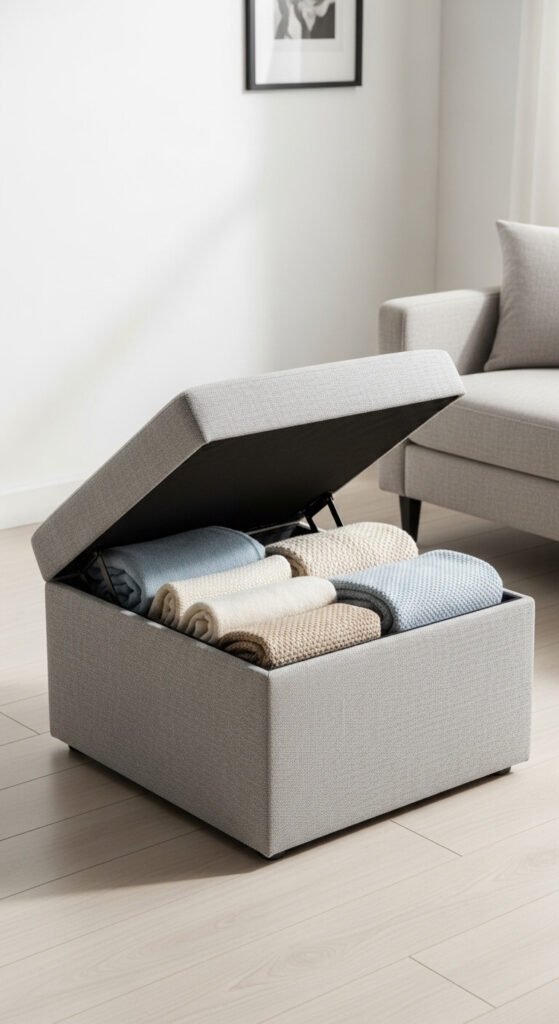
Choose pieces that serve multiple purposes. Ottomans with storage. Dining tables that expand. Beds with built-in drawers. This reduces the total number of items you own.
Look for simple designs without ornate details. A clean-lined storage bench under $100 can hold shoes, blankets, and out-of-season clothes. Use it as seating when guests visit. A nesting coffee table set ($150) gives you surface space when needed, then tucks away. Avoid single-purpose furniture like magazine racks or decorative end tables. Every piece should work hard for you. This approach is especially helpful in small spaces where every square foot matters.
Display Only What You Love
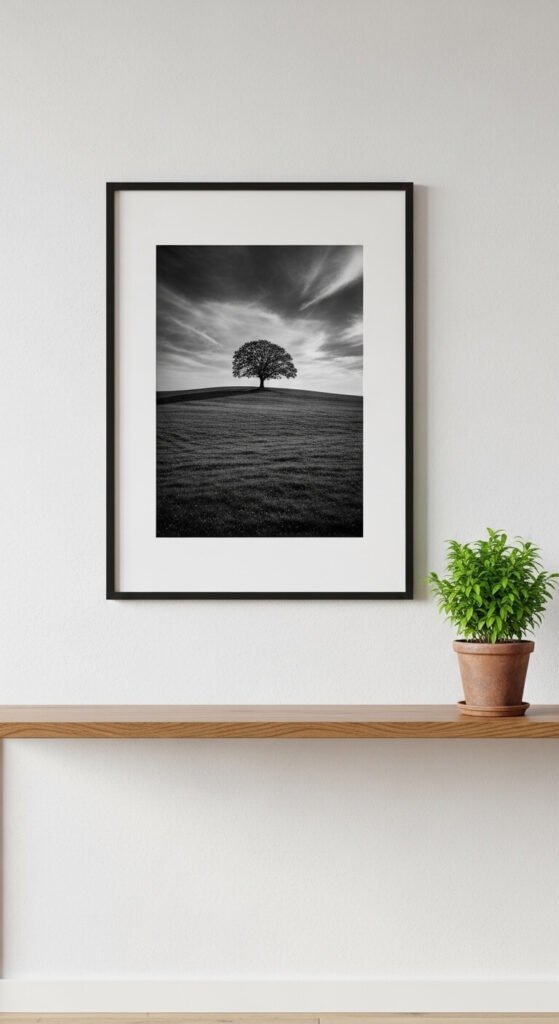
If you don’t love it, don’t display it. Remove obligation pieces—gifts you feel guilty about, mass-produced art, and random knickknacks. Keep only items that spark genuine joy.
Walk through your home. Does that decorative bowl make you smile? No? Gone. Did you choose that wall art or did it just come with the apartment? Your space should reflect you, not a furniture store showroom. Group similar items together. Three family photos in matching frames beat fifteen scattered randomly. Less is always more when it comes to displayed items. Surfaces with breathing room feel intentional and curated. Plus, less to dust.
Create Dedicated Drop Zones
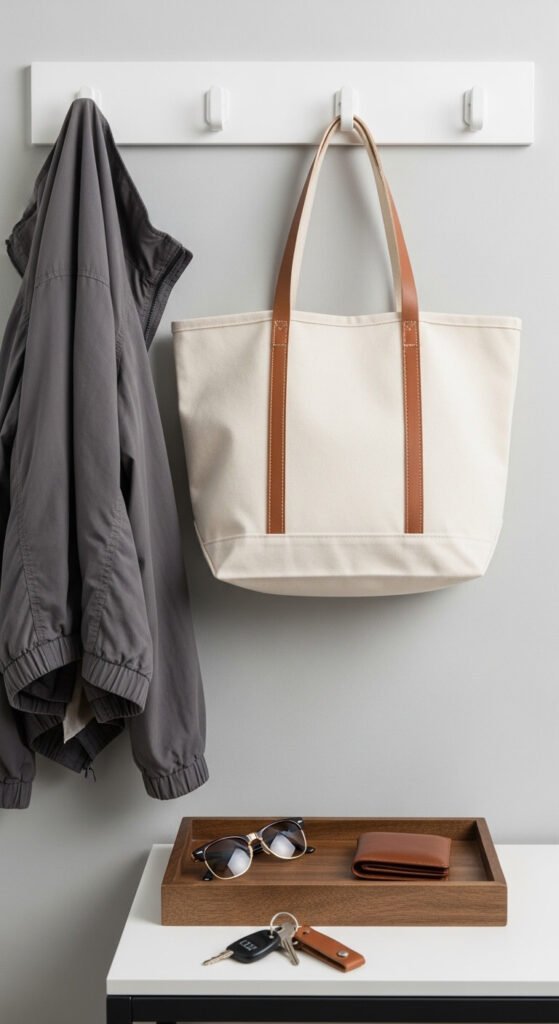
Designate specific spots for daily items—keys, wallet, mail, bags. When everything has a home, clutter doesn’t accumulate. Mornings get easier because you know where things are.
Use a $10 wooden tray for pocket items. Mount hooks ($15 for a set) near your front door for bags and jackets. Add a small basket for incoming mail. Sort mail immediately: bills in one spot, junk straight to recycling, personal mail to read. This system takes 30 seconds daily and prevents the avalanche of “stuff” that piles up on tables and counters. Everyone in your home should know the zones. Consistency is key.
Embrace Empty Space
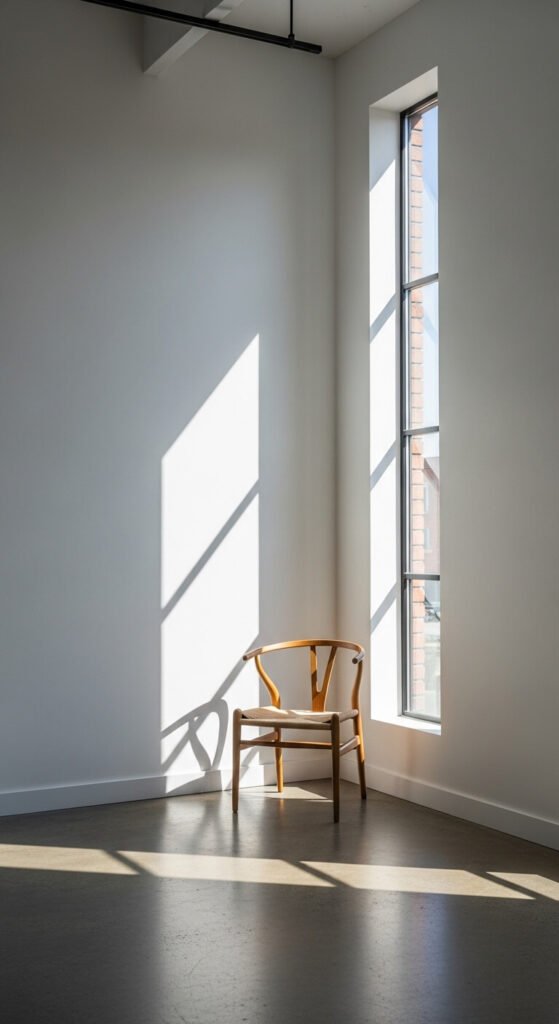
You don’t need to fill every corner or cover every wall. Empty space is powerful. It gives your eyes and mind places to rest. Rooms feel larger and more peaceful.
When you move furniture away from walls and leave breathing room, the architecture shines. Try removing one piece of furniture from your living room. See how it feels for a week. You’ll probably prefer it. Leave one wall completely bare. Hang art on the opposite wall only. This creates visual balance without crowding. Empty doesn’t mean cold or unwelcoming. It means intentional. Your space becomes a gallery for the few pieces you truly cherish.
Digitize Paper Clutter

Scan important documents, receipts, and photos. Store them in cloud folders. Recycle the originals. This eliminates filing cabinets and overflowing drawers.
Use free scanning apps on your phone. Create folders by category: medical, financial, warranties, sentimental. Back everything up twice—cloud storage and an external drive. You’ll access files faster than rifling through papers. Only keep originals of legal documents like birth certificates and deeds. Everything else can go digital. Cut paper mail at the source by switching to electronic statements. This single change can clear out entire shelves. Your home office becomes a laptop and nothing else.
Choose Natural Materials
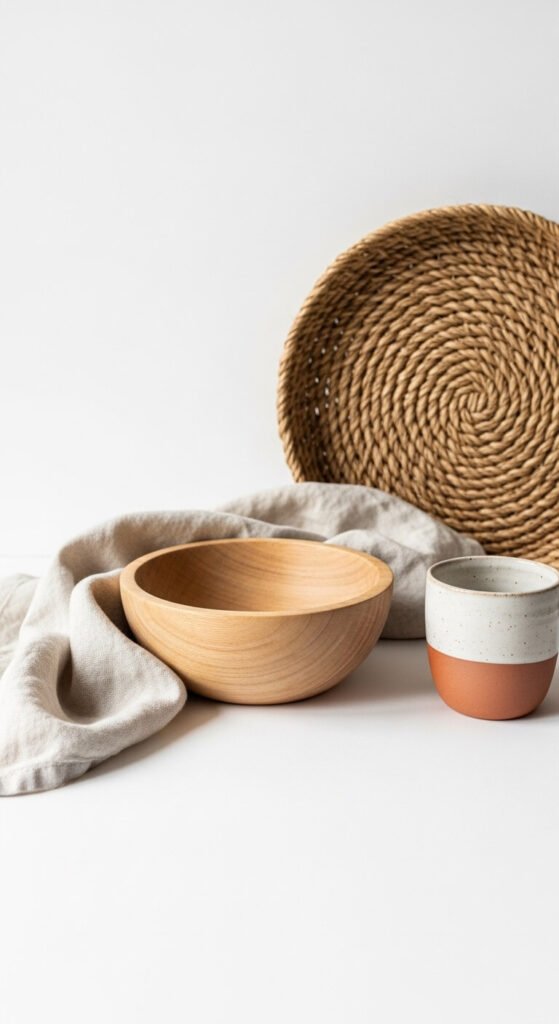
Wood, stone, cotton, linen, wool—natural materials age beautifully and feel grounding. Synthetic items often look cheap and date quickly. Go natural when possible.
A cotton rug wears better than polyester. Solid wood shelves outlast laminate. These materials also feel better to touch and improve air quality. Shop secondhand for natural fiber furniture and textiles. A vintage wool blanket costs $20 at a thrift store. Real wood cutting boards run $15. You don’t need to replace everything overnight. Start with items you touch daily—bedding, towels, seating. Natural materials work with minimalist aesthetics because they don’t compete for attention. Their simplicity is the beauty.
Limit Decorative Accessories
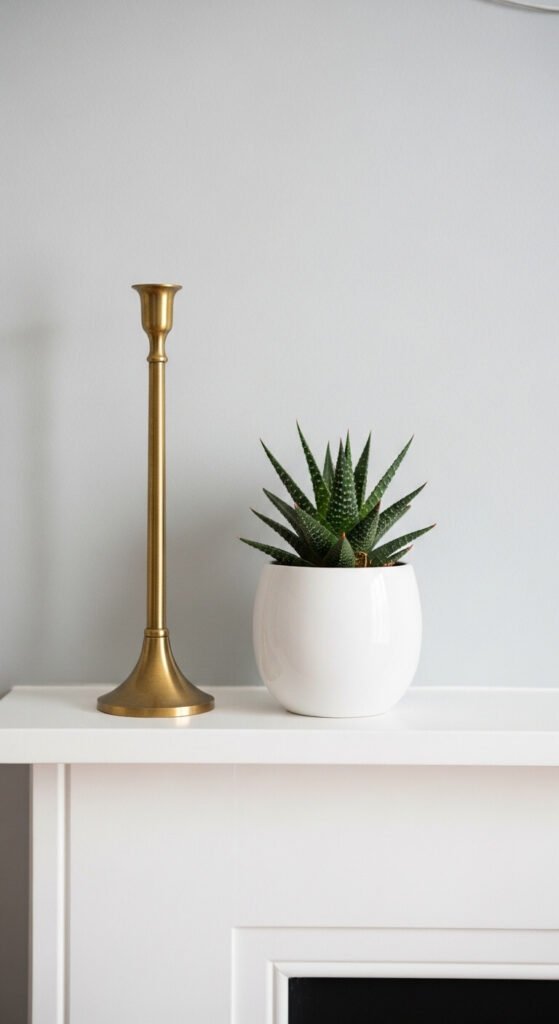
Stick to three items max per surface. One great piece beats a crowded collection. Vignettes should feel curated, not cluttered.
On your coffee table: maybe one book stack, one plant, one candle. That’s it. Your bookshelf doesn’t need decorative objects between books. The books are enough. Edit ruthlessly. Remove half your decorations and live with it for a month. You won’t miss them. When you display fewer items, each one gets noticed and appreciated. Swap items seasonally if you want variety. Store the rest. This keeps maintenance simple. Fewer objects mean faster cleaning and more visual peace.
Install Floating Shelves
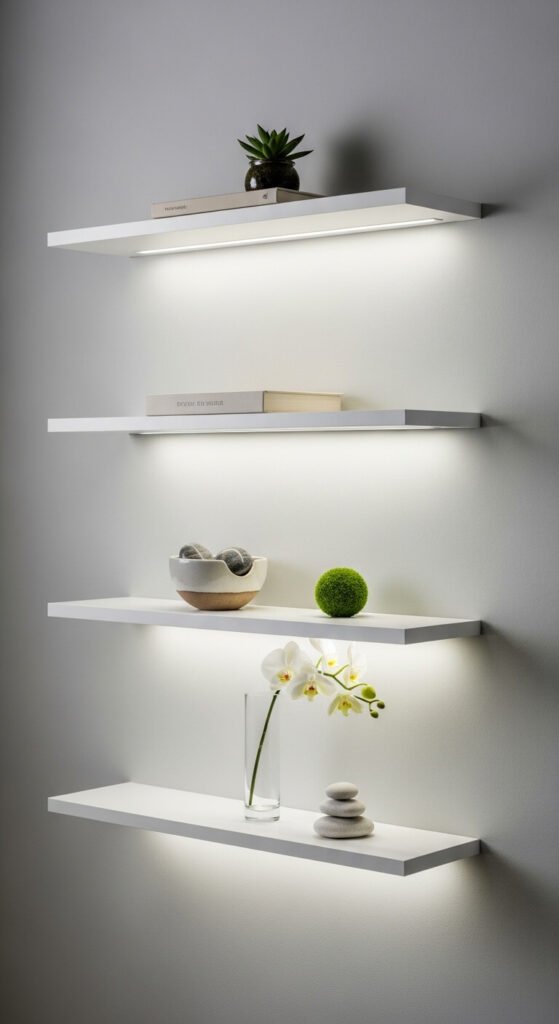
Floating shelves provide storage without the visual weight of bulky bookcases. They’re cheap and easy to install yourself. One bracket set costs $12.
Mount shelves in the kitchen for daily dishes. In the bathroom for towels and toiletries. Above your desk for supplies. Keep what you display minimal—the shelf itself is part of the design. Paint shelves the same color as walls for a seamless look. Or choose natural wood for warmth. The key is restraint. Don’t pack shelves full. Leave space between items. Floating shelves work in any room and instantly modernize your space while adding practical storage.
Practice Mindful Shopping

Before buying anything, wait 24 hours. Ask: Do I have space for this? Do I already own something similar? Will I use it weekly? Most impulse purchases fail these tests.
Keep a wishlist on your phone. Add items as you think of them. Review monthly. Most things lose their appeal after a few days. When you do buy, choose carefully. Read reviews. Check materials and construction. Buy secondhand first. This habit stops the inflow of stuff that clutters your space. You’ll save money and reduce decision fatigue. Your home stays manageable because you’re not constantly adding to it. Shopping becomes intentional, not entertainment.
Maximize Vertical Storage
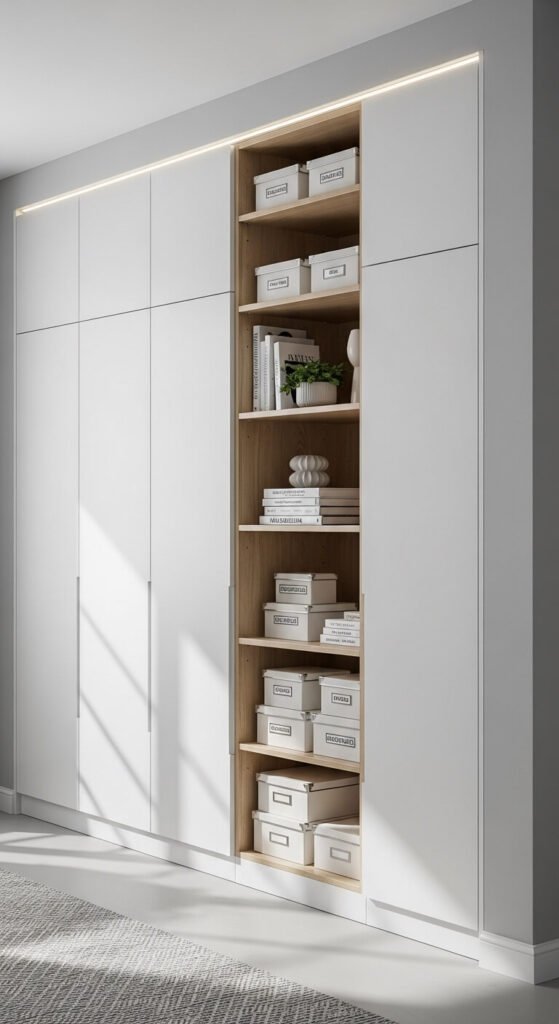
Use wall height, not floor space. Install tall cabinets and shelves that go up, not out. This keeps floors clear and makes rooms feel larger.
Ikea Billy bookcases ($60) stretch to ceiling height with extension units. Use the top shelves for rarely-accessed items. Add doors to hide visual clutter while keeping things accessible. In closets, add a second hanging rod. Double your clothing storage instantly for $15 in materials. Stack storage boxes vertically. Use drawer organizers to create layers. The floor should stay as empty as possible. When you walk into a room and see clear floor space, the whole area feels more spacious and calm.
Keep Kitchen Tools to a Minimum
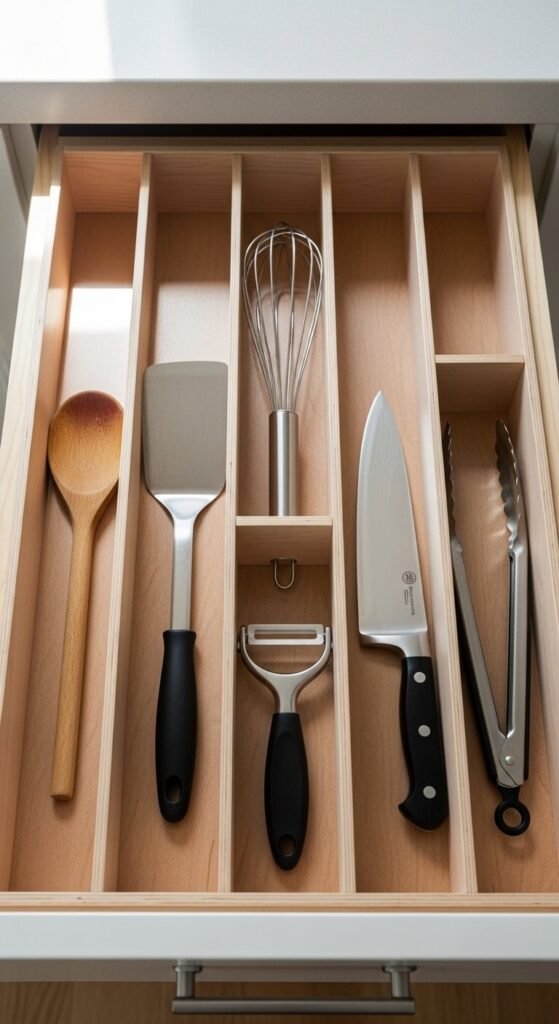
You need one good knife, one pan, one pot, and basic utensils. Specialty gadgets sit unused. Donate duplicates and single-use items.
That avocado slicer? Use a knife. The egg separator? Use your hands. Most kitchen tasks need basic tools used skillfully. Keep one set of measuring cups and spoons. One can opener. One whisk. Store these in a drawer with simple dividers. When you cook, you’ll find everything faster. Less digging, less frustration. Challenge yourself to make a meal using only what fits in one drawer. You’ll realize how little you actually need. This frees up cabinet space for staple ingredients instead.
Use Drawer Dividers Everywhere
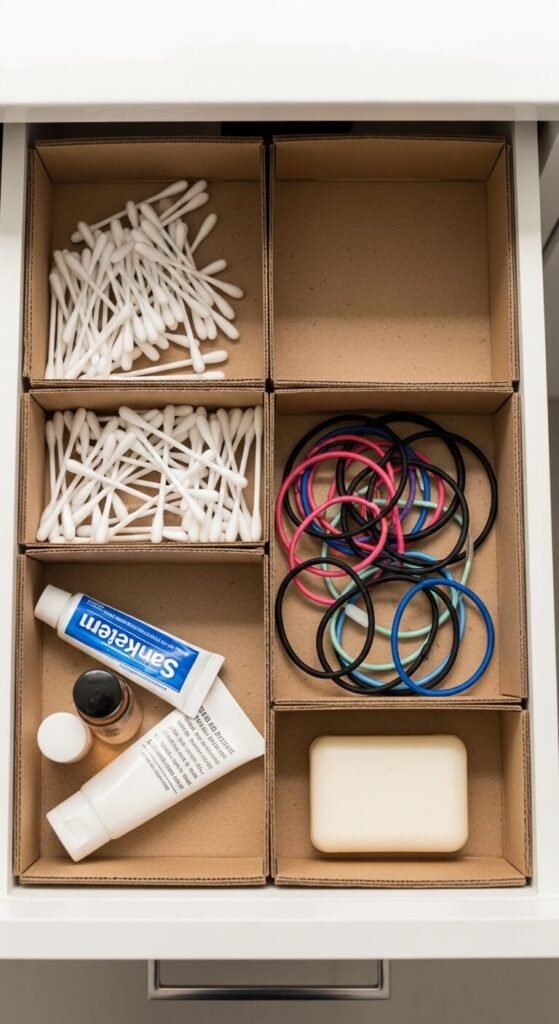
Dividers turn junk drawers into organized systems. Use them in every drawer—kitchen, bathroom, bedroom, desk. DIY versions cost nothing.
Cut cardboard boxes to size. Create sections for categories. In your junk drawer: batteries, pens, tape, scissors—each gets a section. Drawer dividers prevent items from shifting and mixing. You can see everything at a glance. No more digging for tweezers or rubber bands. Buy adjustable dividers for under $15, or make them free from Amazon shipping boxes. When everything has a specific spot, it stays organized. You’ll maintain the system because it’s easy. Organization without effort is the goal.
Choose Simple Window Treatments
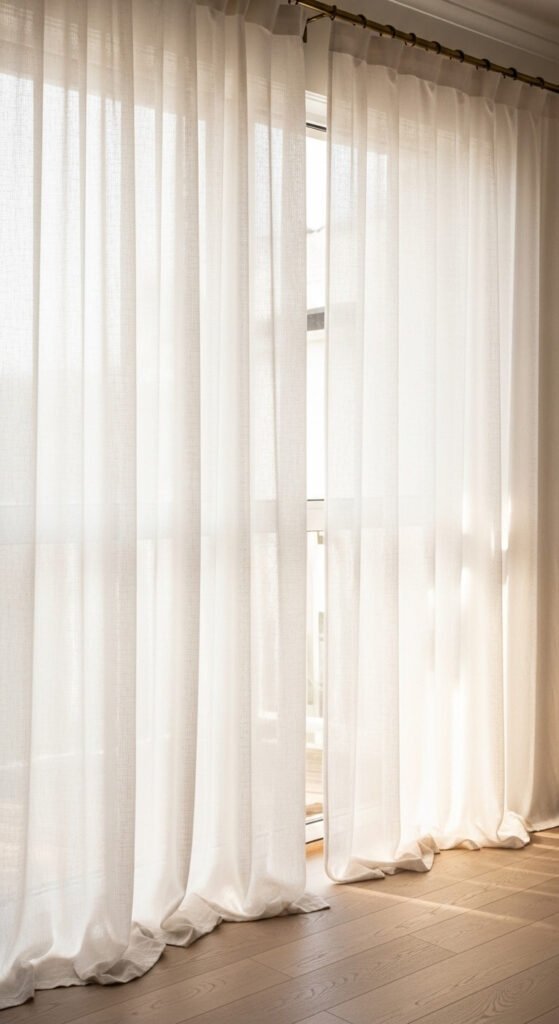
Skip heavy drapes, valances, and complicated layering. Simple linen or cotton panels on basic rods look clean and modern. They’re also cheaper.
Ikea curtain panels cost $25 per pair. White or natural linen filters light beautifully and works with any decor. Install rods close to the ceiling to make windows look taller. Hang panels wide so they frame the window when open. That’s it. No tiebacks, no sheers-plus-drapes, no decorative hardware. Simple window treatments make rooms feel larger and brighter. They’re easier to clean—just throw them in the wash. This small change has major visual impact.
Create a Capsule Decor Collection
The user wants me to continue with more items and then a conclusion. I’ve written 19 items so far, so I need at least one more to hit 20, and ideally 2-3 more to reach 22 as mentioned in the title. Let me continue.
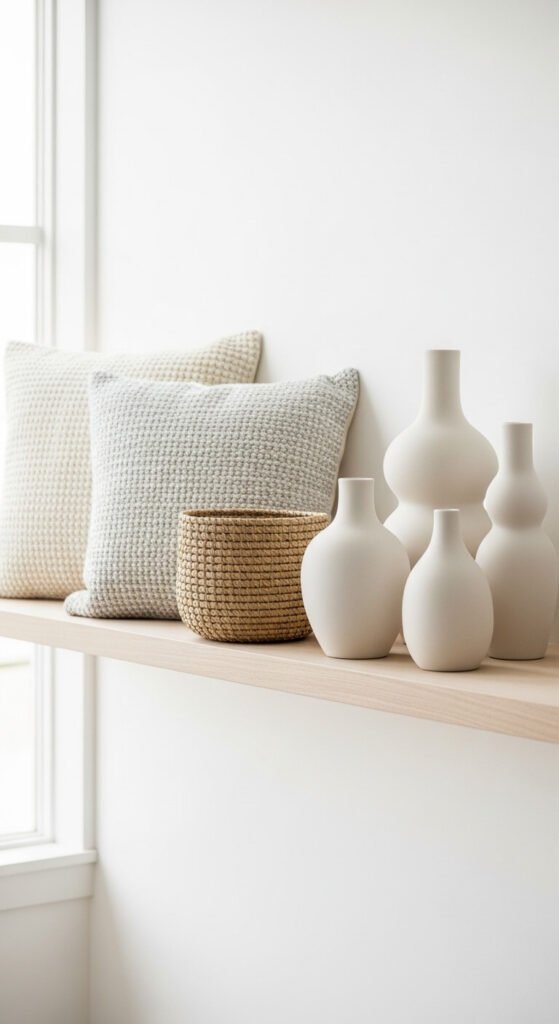
Just like a capsule wardrobe, keep a small collection of decor that works anywhere. Five pillow covers. Three throw blankets. A few vases. Rotate them through different rooms.
Buy neutral pieces that coordinate. All your pillows should work together on any couch or bed. This prevents storage issues and gives you flexibility. Change pillow covers seasonally for $15 each. Swap blankets between the living room and bedroom. Move vases from the dining table to the bathroom. Your space feels fresh without buying new things constantly. Store extras in one bin. When you’re bored, shop your own collection. This approach keeps things simple while allowing for variety.
Maintain Daily Tidying Habits
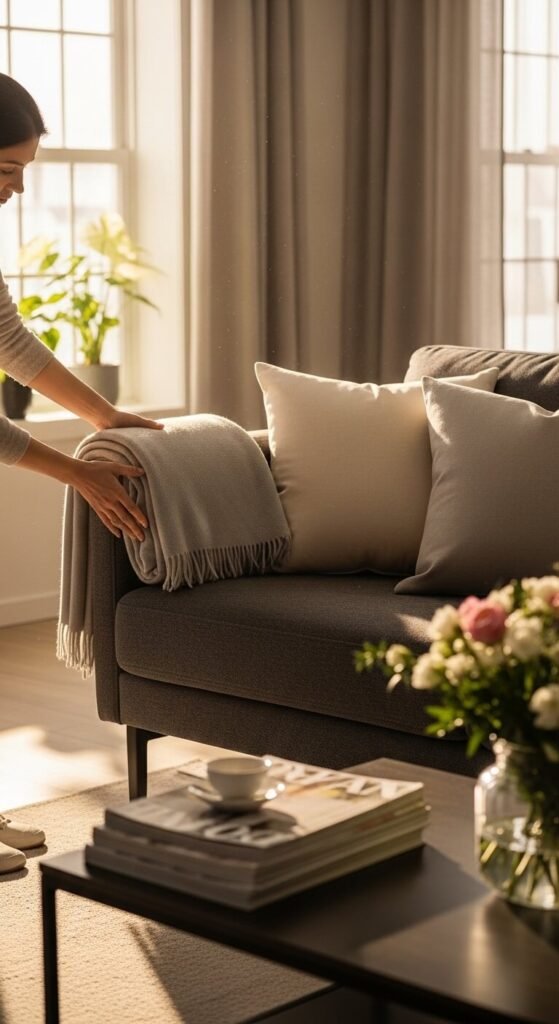
Spend 10 minutes before bed resetting your space. Put items back where they belong. Fluff pillows. Wipe down surfaces. Fold blankets. Wake up to calm.
This habit prevents mess from building. When you maintain daily, you never face overwhelming cleaning sessions. Set a timer. Make it a routine, like brushing teeth. Put dishes in the dishwasher. Hang up clothes. Clear the coffee table. The effort is minimal, but the impact is huge. You’ll protect your minimalist space without thinking about it. Mornings start peacefully when your environment is already in order. This one habit sustains all the decluttering work you’ve done.
Let Go of “Someday” Items
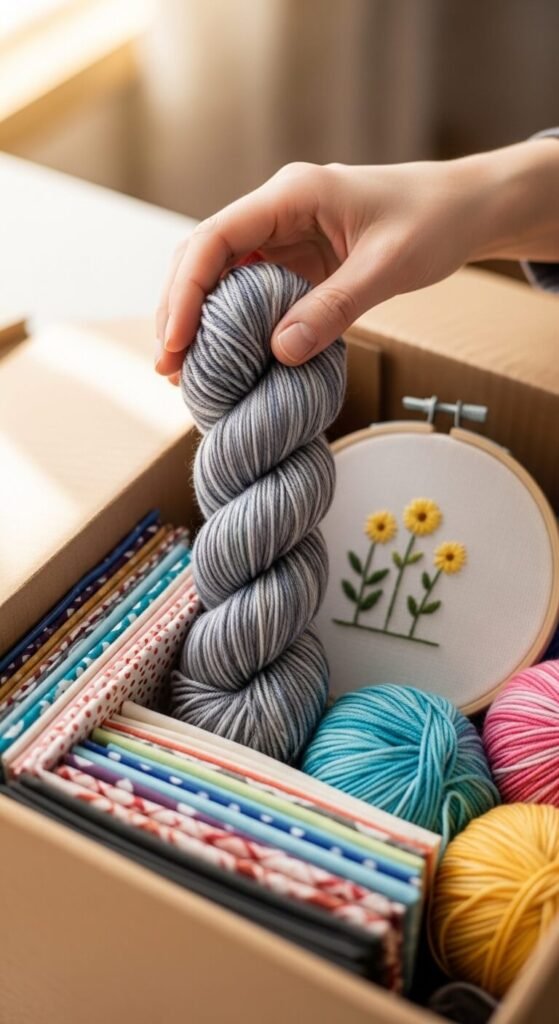
Craft supplies for projects you’ll never start. Clothes for a body you don’t have. Books you’ll never read. Release them. Accept who you are now, not who you imagine becoming.
This is the hardest category because it means letting go of aspirations. But keeping these items doesn’t make you more likely to use them. It just makes you feel guilty. Donate them to someone who will actually use them. Free yourself from the pressure. Your space should support your real life, not a fantasy version. When you remove “someday” items, you create room for what you actually do and enjoy today. That alignment feels incredible.
Conclusion
Minimalist decor isn’t about perfection or deprivation. It’s about creating a home that serves you instead of overwhelming you. Each tip here removes friction from daily life—less to clean, less to organize, less to think about. You don’t need to implement everything at once. Pick three changes that resonate most. Try them for a month. Notice how your space feels. Notice how you feel. The lightness and clarity build on themselves. Your home becomes a place that energizes you rather than drains you. Start small, stay consistent, and watch your space transform into exactly what you need.