
Luxury decor isn’t about price tags—it’s about perceived value. The difference between expensive and luxurious comes down to quality materials, perfect proportions, and confident restraint. High-end spaces share common elements: rich textures, metallic accents, and sophisticated color palettes. You can create these looks without designer budgets by understanding what signals wealth and taste. Real marble costs thousands, but marble-look alternatives fool most eyes. Velvet sounds expensive but costs the same as cotton. The secret is knowing which details matter most. Luxury lives in the finishing touches—crown molding, quality hardware, and layered lighting. It’s about how pieces are styled, not what they cost. These 21 touches transform ordinary rooms into sophisticated sanctuaries. Each element communicates refinement and attention to detail. Start with one or two, master them, then add more. Your home will radiate elegance that money alone can’t buy.
Velvet Upholstery Everywhere

Velvet screams luxury. The fabric catches light beautifully and feels expensive to touch. Use it on sofas, chairs, pillows, or headboards. The depth of color and texture adds instant sophistication.
Buy velvet at fabric stores for $20-$40 per yard—comparable to cotton prices. Reupholster thrift store chairs yourself using staple guns and YouTube tutorials. Or buy velvet pillow covers for $15-$30 each. The rich textile luxury works in jewel tones like emerald, sapphire, or burgundy. Neutrals work too—cream, gray, or blush velvet feels equally opulent. The pile texture reflects light differently throughout the day, creating dimensional interest. One velvet piece per room provides enough luxury without overwhelming.
Marble Surfaces Strategically Placed

Real marble costs hundreds per square foot. Marble-look alternatives cost $30-$100. Use them on coffee tables, side tables, or bathroom counters. The veined stone pattern suggests wealth immediately.
Buy marble contact paper for $15-$25 per roll to cover existing surfaces. Or purchase small marble pieces—cutting boards, trays, or coasters—for $20-$50. These portable touches add luxury without renovation. Real marble remnants from stone yards cost $50-$150 for small pieces perfect for side table tops. The stone elegance works in white, black, or green varieties. Polish regularly to maintain shine. Even small doses of marble communicate sophisticated taste.
Crystal Chandeliers as Focal Points

Chandeliers define luxury lighting. Modern versions cost $200-$800. The sparkle and scale create instant drama. Hang them in dining rooms, entryways, or even bedrooms for maximum impact.
Shop Wayfair, Overstock, or Amazon for affordable crystal chandeliers. Installation requires an electrician ($100-$200) unless replacing existing fixtures. The sparkling centerpiece draws eyes upward and makes statements. Clean crystal regularly with glass cleaner to maintain sparkle. Dimmer switches let you control the mood. Even small chandeliers add sophistication. The multiple light points and reflective surfaces create luxury lighting that single pendants can’t match. This is where investment pays off visibly.
Brass and Gold Accents Throughout

Brass and gold finishes signal luxury more than any other metal. Replace chrome hardware with brass. Add gold-framed mirrors and brass candlesticks. The warm metal creates jewelry-box elegance.
Buy brass cabinet pulls for $8-$15 each. Gold spray paint transforms existing items for $6 per can. The warm metallic sophistication works with any color scheme. Lacquered brass stays shiny. Unlacquered brass develops patina over time—both look expensive. Use brass consistently throughout rooms—light fixtures, hardware, accessories. The coordinated metal thread ties spaces together. This is affordable luxury since brass costs the same as other finishes but looks far more expensive.
Oversized Artwork in Gilded Frames

Large art in ornate frames commands attention. The combination of scale and framing creates gallery-worthy sophistication. Buy affordable prints and invest in beautiful frames.
Print large images at office supply stores for $20-$50. Buy ornate frames secondhand for $30-$100 or new reproductions for $80-$200. The gallery presence makes rooms feel curated and important. Gold frames add traditional luxury. Black frames feel more modern but equally sophisticated. The key is going big—40×60 inches minimum. Don’t be timid about scale. Large framed art is designer trickery that signals serious collecting even when it’s prints.
High-Thread-Count Linens

Thread count above 400 feels noticeably different. Luxury linens transform bedrooms into five-star hotels. The smooth texture and crisp appearance signal quality instantly.
Buy 600-thread-count sheets on sale for $80-$150 per set. They last longer than cheap versions, making them better investments. The tactile luxury you experience daily justifies the cost. White or neutral colors look most expensive. Press linens for hotel-crisp presentation. The smooth hand-feel and subtle sheen communicate sophistication. This is luxury you touch every night—worth spending on. Quality sheets improve sleep while looking beautiful.
Silk or Faux Silk Drapery

Silk drapery panels catch light like nothing else. The natural sheen and fluid drape create instant luxury. Faux silk costs $30-$60 per panel and looks nearly identical.
Hang panels from ceiling to floor. Let them puddle 2-3 inches on the floor for extra luxury. The luminous textile works in neutrals—cream, champagne, or soft gray. Silk reflects changing light throughout the day, creating living texture. Line curtains for body and light control. The investment in window treatments pays off because they frame entire rooms. Silk says sophistication louder than any other curtain material.
Tufted Furniture Pieces

Tufted furniture—especially in velvet—screams traditional luxury. The buttoned detailing adds depth and craftsmanship. Look for tufted headboards, ottomans, or sofas.
Buy tufted pieces at HomeGoods or Wayfair for $200-$600. The button-back technique creates dimensional sophistication. Deep tufting shows more craftsmanship than shallow. Choose neutral colors for longevity or jewel tones for drama. The traditional detailing works in both classic and modern spaces. Even one tufted piece adds enough luxury texture. The buttons catch shadows and create visual interest beyond flat upholstery.
Fresh Flowers in Crystal Vases

Fresh flowers communicate care and luxury. Display them in crystal or glass vases. Even grocery store flowers look expensive in quality containers. Change water every 2-3 days.
Buy flowers weekly for $10-$20. The living luxury is worth the recurring cost. White and cream flowers look most sophisticated. Peonies, roses, and hydrangeas feel especially luxurious. Crystal vases catch light beautifully—find them at thrift stores for $8-$20. Single-stem displays in bud vases work when budgets are tight. The gesture matters more than flower variety. Fresh blooms signal that spaces are tended and valued.
Layered Ambient Lighting

Overhead lights are utilitarian. Luxury spaces use multiple low-level sources—table lamps, floor lamps, sconces, and picture lights. The layered approach creates depth and ambiance.
Buy quality lamp bases for $60-$150 each. Add silk or linen shades. Install dimmer switches on all sources. The dimensional illumination mimics high-end restaurants and hotels. Use warm bulbs (2700K or lower). Light from multiple heights and locations eliminates harsh shadows. This is lighting design that creates mood and drama. The investment in good lamps and dimmers transforms spaces from functional to luxurious.
Sculptural Coffee Table Books

Luxury homes display beautiful books—fashion, art, architecture, design. The large-format volumes serve as both reading material and sculpture. Stack them on coffee tables and consoles.
Buy books at discount stores like TJ Maxx for $15-$30 each instead of $60+ retail. The intellectual sophistication they communicate is worth it. Choose subjects that interest you genuinely. Stack 2-4 books maximum per surface. Place small objects on top—candles, decorative boxes, or coral. The colorful spines and substantial size add weight and importance to rooms. This is luxury that educates while decorating.
Monogrammed Textiles

Monograms add personalized luxury. Embroider initials on towels, pillows, or bedding. The custom detail suggests bespoke quality. Order online or at department stores.
Monogrammed pillows cost $40-$80. Towels run $30-$50 each. DIY embroidery machines rent for $50/day if you’re ambitious. The personalized elegance makes ordinary linens feel custom. Use classic serif fonts in matching thread colors for sophistication. Monograms work best on high-quality base textiles—cheap towels don’t deserve embroidery. This touch makes homes feel like private clubs or luxury hotels where everything is customized.
Chinoiserie Patterns and Accents

Chinoiserie—Asian-inspired patterns—signal cultured sophistication. Use blue and white ginger jars, wallpaper, or fabric. The exotic patterns add global luxury and historical depth.
Buy ginger jars at HomeGoods for $30-$80. The worldly elegance works on shelves, mantels, or as lamp bases. Chinoiserie wallpaper costs $50-$150 per roll—use on accent walls. The blue and white palette feels timeless and collected. These pieces suggest travel, culture, and refined taste. Even one chinoiserie element adds sophistication. The hand-painted quality (real or printed) communicates artisan value.
Rich Jewel-Tone Color Palettes

Jewel tones—emerald, sapphire, ruby, amethyst—communicate luxury through color alone. These saturated hues feel expensive and dramatic. Use them in textiles, paint, or accessories.
Paint accent walls in deep colors for $40 per gallon. Add jewel-tone pillows for $25-$50 each. The saturated sophistication works best in rooms with good lighting. Dark colors make spaces feel cocoon-like and intimate. Pair jewel tones with metallic accents—gold with emerald, brass with navy. The richness communicates confidence and intentional design. These colors photograph beautifully and never feel boring.
Lacquered Furniture Finishes

High-gloss lacquer finishes add instant glamour. The mirror-like surface reflects light dramatically. Black, white, or colored lacquer all communicate luxury through shine alone.
Buy lacquered pieces at West Elm or CB2 for $300-$800. Or DIY using high-gloss spray paint on existing furniture ($12 per can, multiple coats needed). The reflective glamour works on consoles, side tables, or dressers. Lacquer requires maintenance—dust shows easily—but the payoff is worth it. The finish feels precious and carefully maintained. Asian-inspired lacquer work has centuries of luxury association. Modern versions capture that sophistication affordably.
Cashmere Throws and Pillows

Cashmere feels like luxury. The ultra-soft fiber costs more but lasts decades. One cashmere throw transforms seating into indulgent comfort. The subtle sheen catches light beautifully.
Buy cashmere throws on sale for $150-$300. Cashmere blend versions cost $60-$120 and feel nearly identical. The touchable luxury is experienced daily, making the investment worthwhile. Drape throws over sofas or bed ends for easy access. Dry clean or hand wash gently. The fiber gets softer with time. Even guests notice the difference when they touch cashmere. This is sensory luxury worth the price.
Architectural Molding and Trim
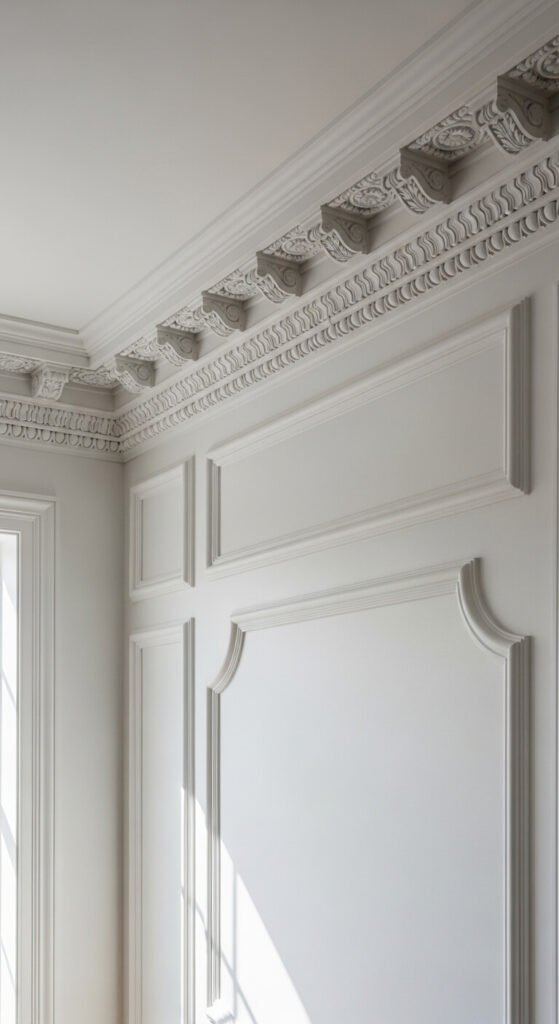
Crown molding, picture rails, and wainscoting add permanent luxury. The architectural details suggest custom construction and quality building. Install DIY or hire carpenters.
Crown molding costs $2-$5 per linear foot. Installation takes weekends but adds serious value. The architectural sophistication transforms builder-grade rooms into custom spaces. Wider profiles (4-6 inches) look more expensive than thin (2-3 inches). Paint molding to match walls or ceilings for seamless integration. This upgrade outlasts any furniture or decor purchase. The dimensional trim catches shadows and creates visual interest on plain walls.
Symmetrical Furniture Arrangements

Luxury spaces use symmetry. Matching pairs of lamps, chairs, or tables flank centered focal points. The balance feels formal, intentional, and expensive.
Buy matching items in pairs—lamps for $60-$150 each, chairs for $200-$400 each. The formal balance communicates professional design. Center beds, sofas, or artwork. Position identical elements equidistant on both sides. This is pure arrangement trickery—no cost beyond buying pairs. Symmetry suggests restraint and careful planning. Five-star hotels use this principle constantly. Your home can too.
Statement Ceiling Fixtures

Ceilings are the fifth wall—treat them as such. Oversized chandeliers, ornate medallions, or coffered panels add luxury overhead. Most people ignore ceilings, making this unexpected.
Install ceiling medallions ($30-$100) around light fixtures for added detail. Upgrade basic fixtures to statement pieces ($200-$600). The overhead drama creates luxury from above. Paint ceilings colors other than white—soft blue, charcoal, or metallic. The unexpected attention to this forgotten space communicates thoroughness and sophistication. Statement ceiling fixtures become conversation pieces. Guests look up and notice the care you’ve taken.
Herringbone or Chevron Patterns

Herringbone and chevron patterns—in flooring, tile, or textiles—signal luxury through complexity. The angled layouts require extra labor, suggesting expense and care.
DIY herringbone accent walls using $40 in wood strips. Install peel-and-stick herringbone tile for $5-$8 per square foot. The geometric sophistication works anywhere—floors, backsplashes, or walls. The pattern creates movement and visual interest beyond straight layouts. Even herringbone pillows or rugs add luxury through pattern alone. This is detail-oriented design that communicates patience and quality. The extra effort shows.
Conclusion
Luxury decor lives in the details, not the dollars. These 21 touches prove sophistication comes from thoughtful choices and quality materials, not unlimited budgets. Start with three elements that speak to you—maybe velvet pillows, brass hardware, and fresh flowers. Master those, then add more gradually. Each touch compounds, building layers of refinement. Your home will communicate taste, care, and sophistication. Real luxury is about creating environments that feel special every single day. It’s waking up to high-thread-count sheets, working under crystal chandeliers, and relaxing against cashmere throws. These aren’t superficial upgrades—they’re quality-of-life improvements that happen to look beautiful. You deserve to live surrounded by things that feel expensive and special. Implement these touches one at a time. Watch your space transform into the sophisticated sanctuary you’ve envisioned. Luxury is accessible when you know which details matter most.